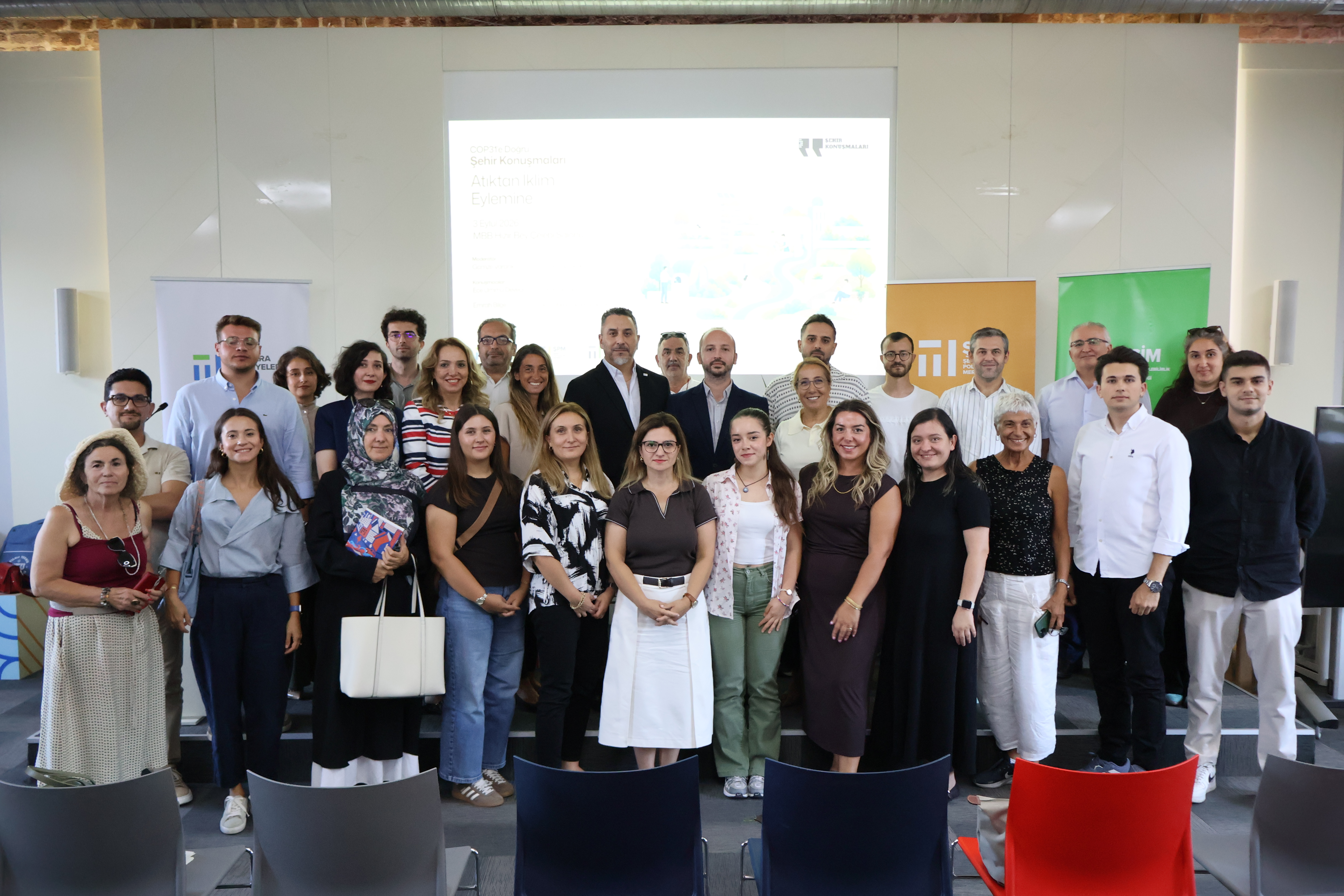
“Urban Talks Towards COP31” Series Concludes with Final Session Focusing on Policies from Waste Management to Climate Action
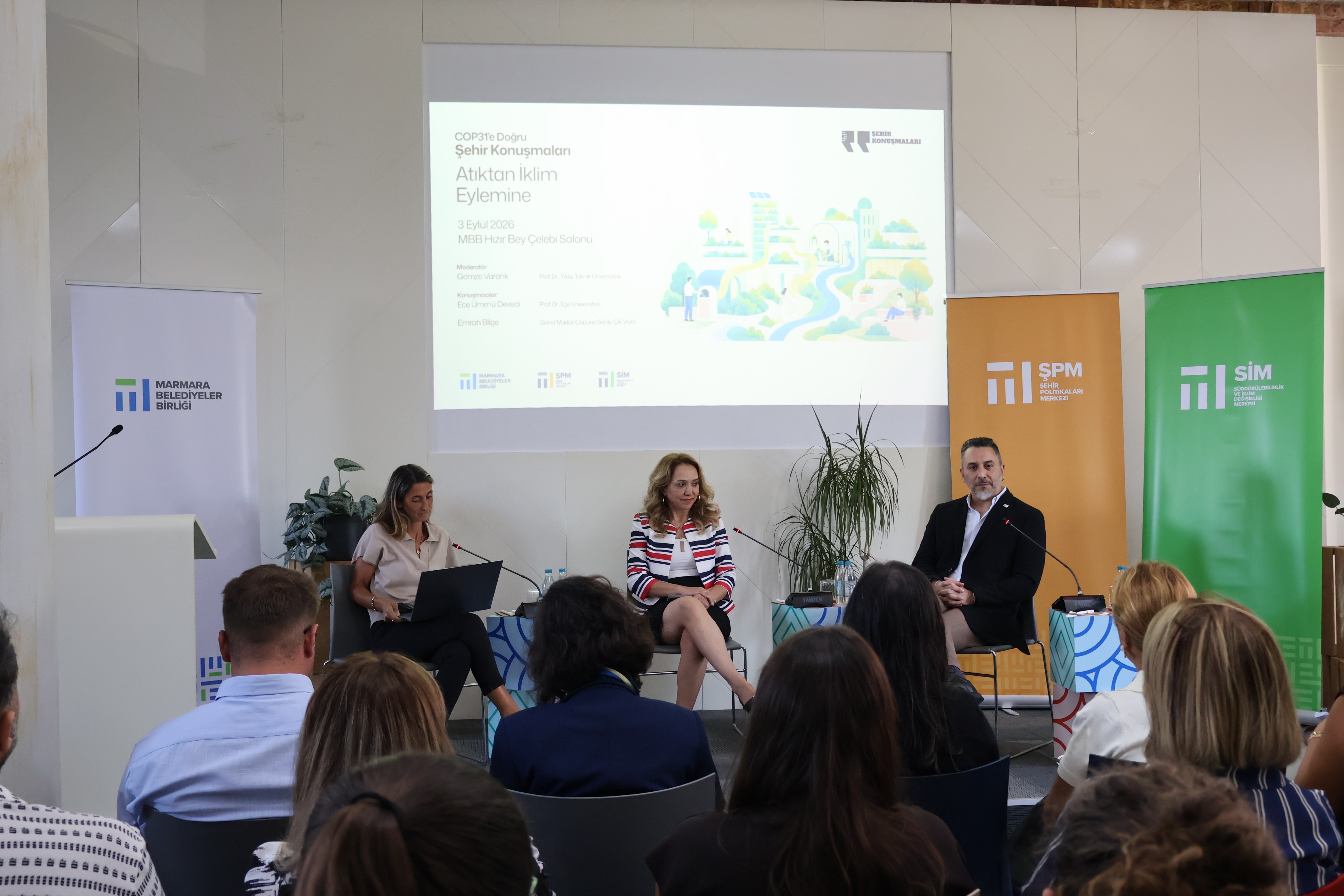
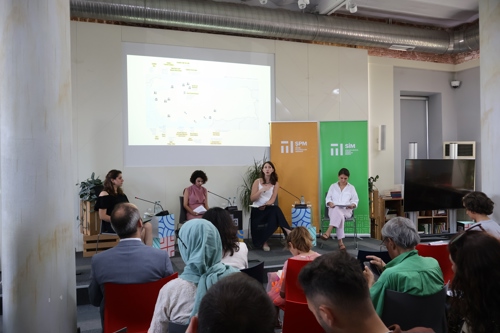
The fifth session of the “Urban Talks Towards COP31” series was structured around the priorities of the COP31 Action Agenda and focused on the role of waste management and circular economy policies in climate action and emissions reduction. Local approaches to zero waste and circular economy, resource efficiency and the contribution of waste and resource management to urban resilience were among the key topics discussed.
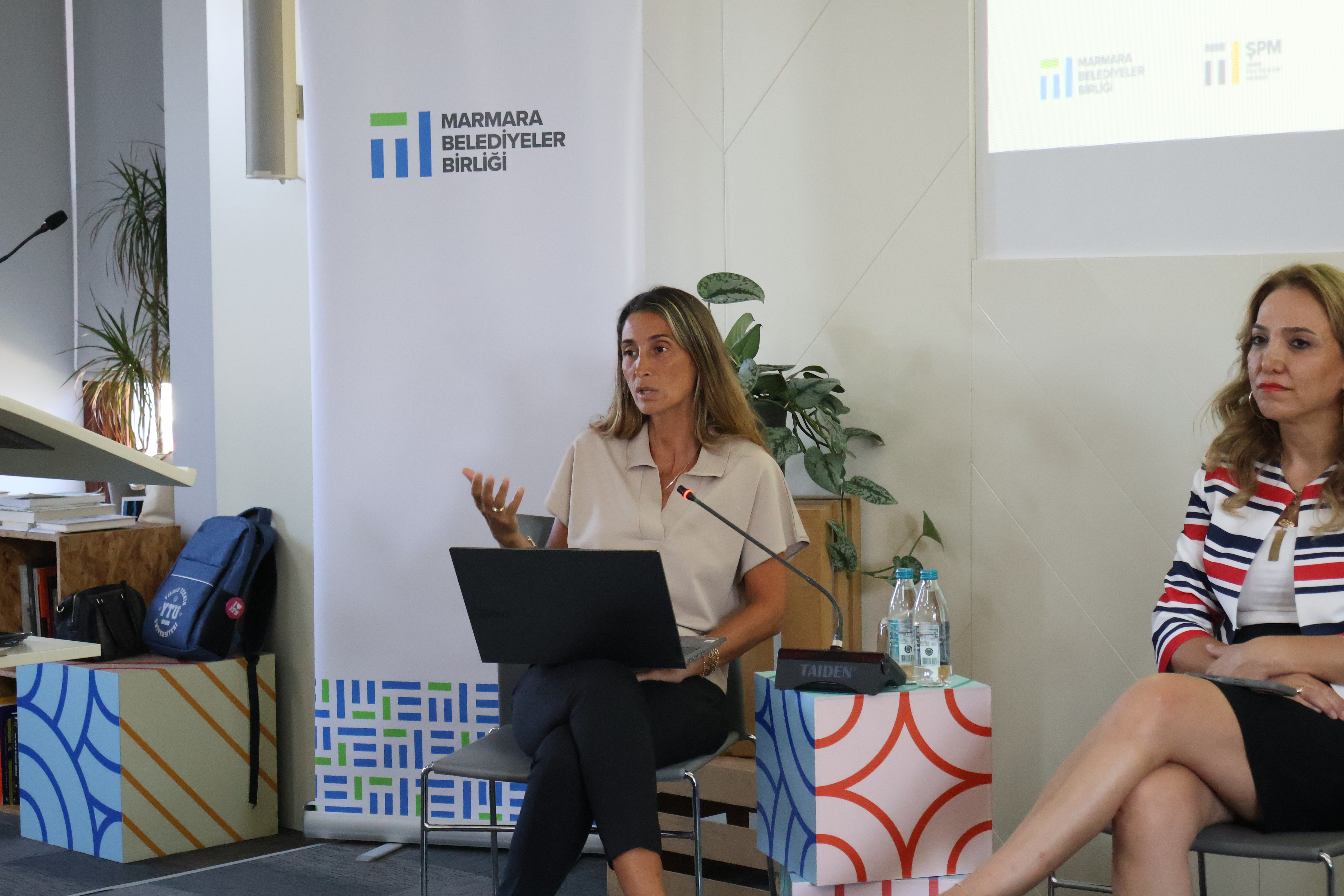
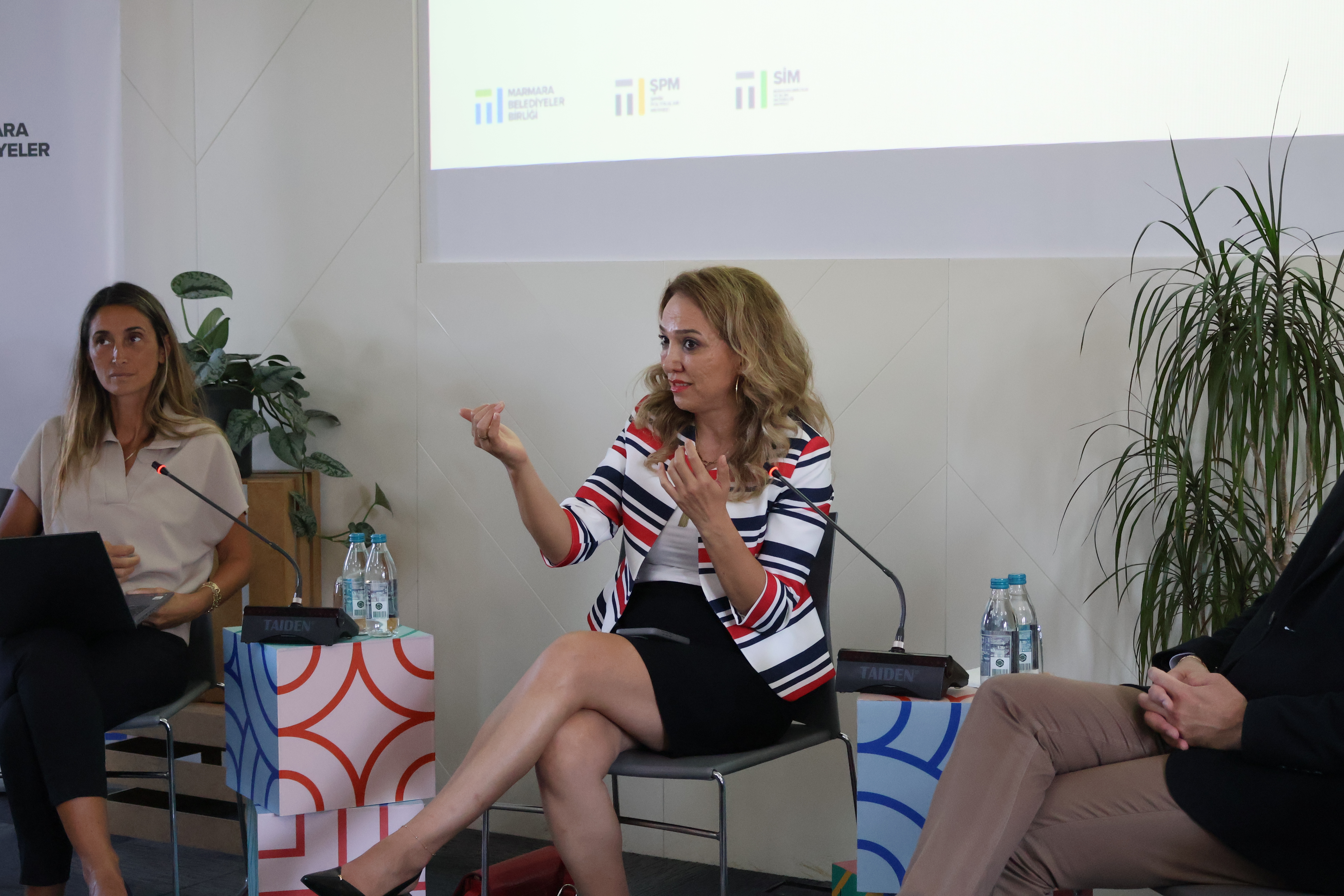
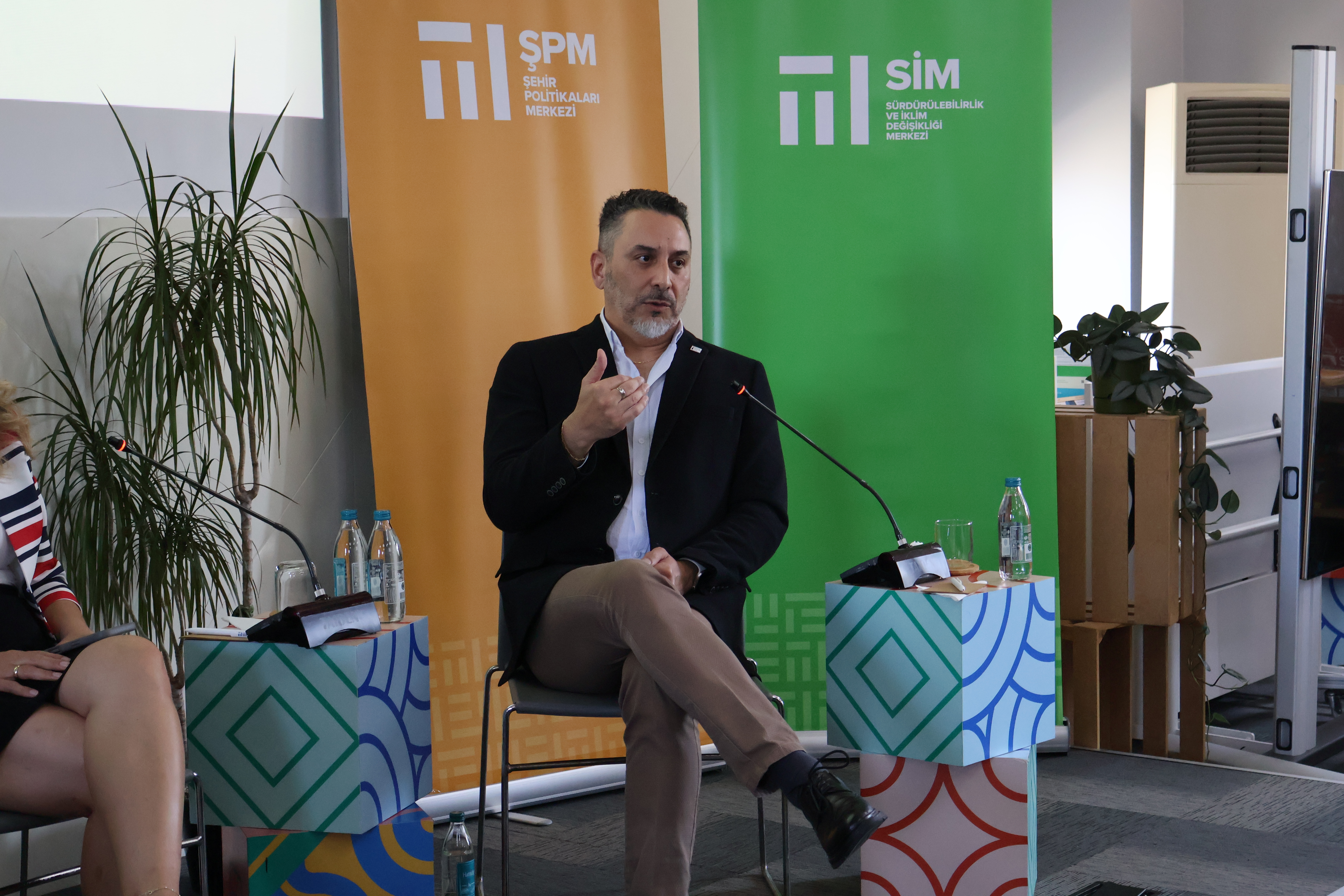
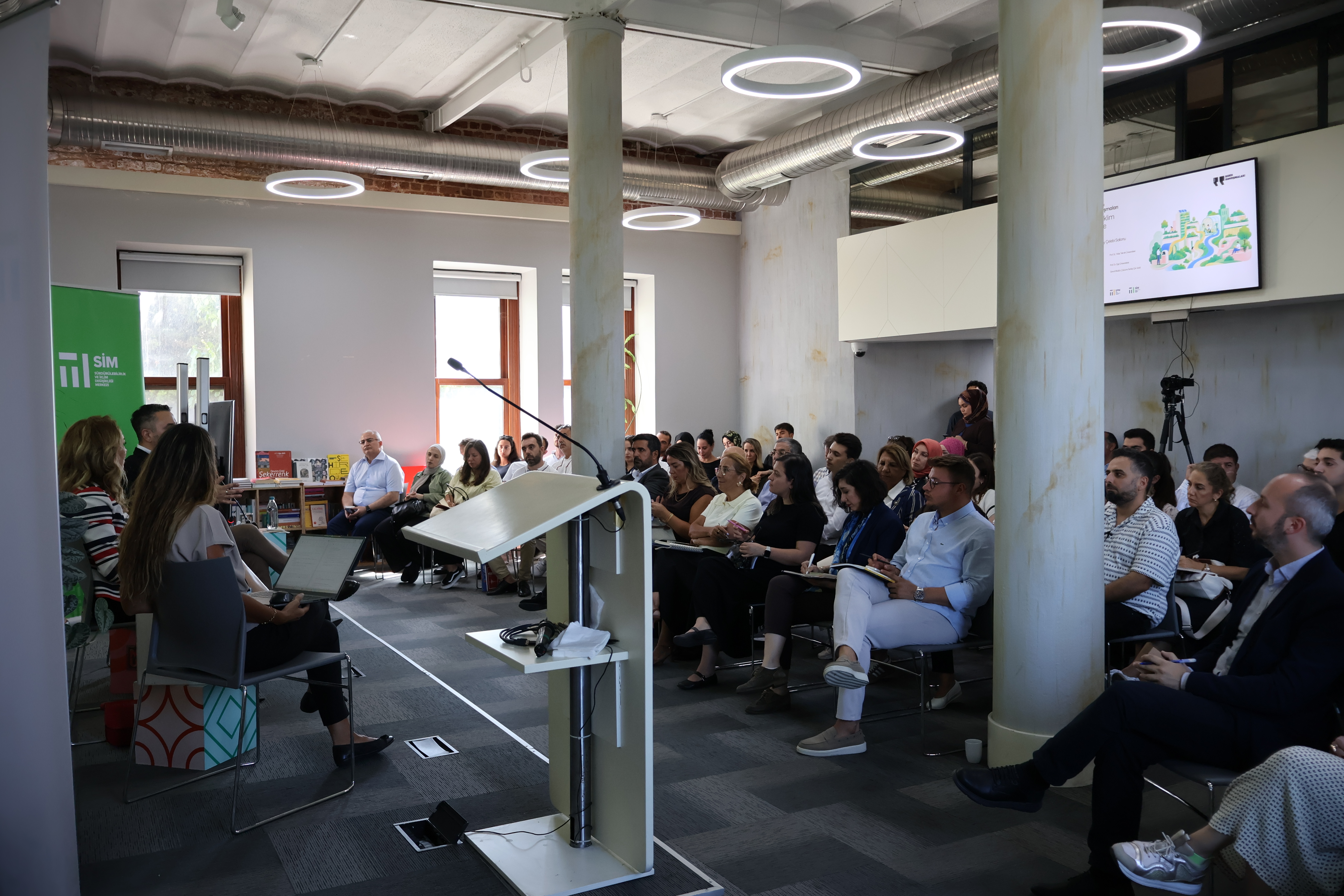
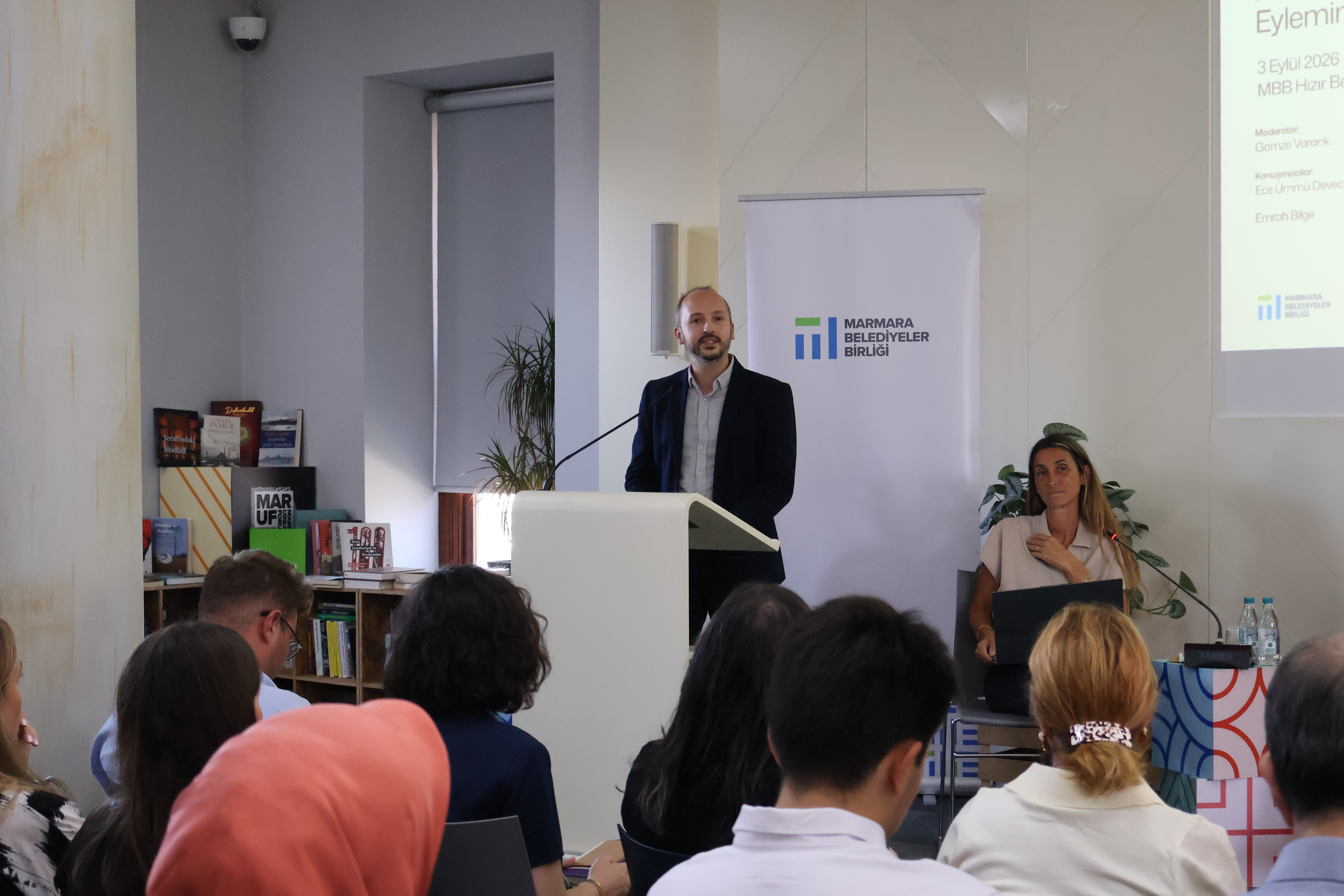
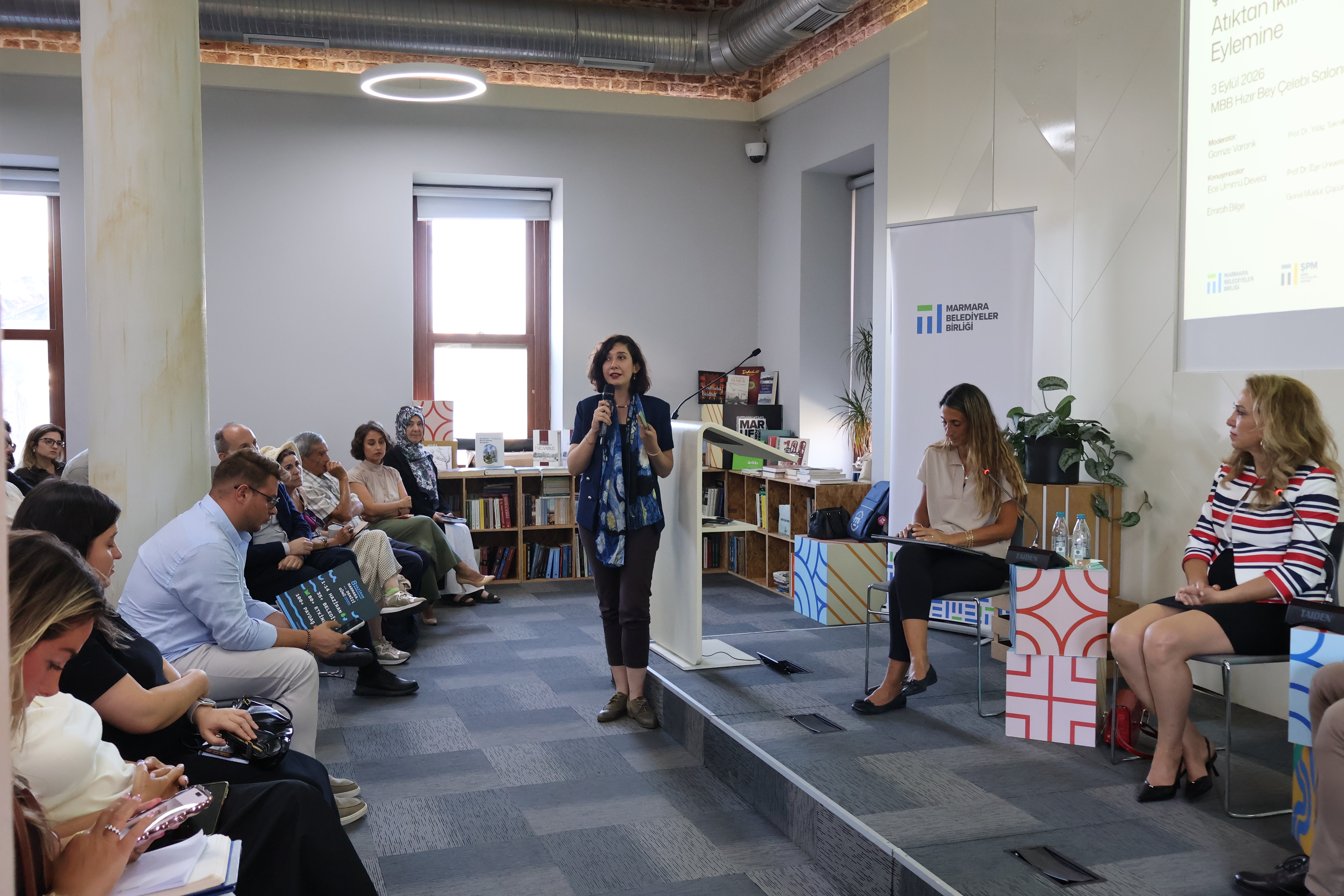
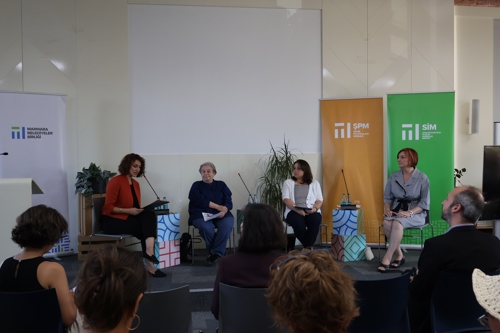
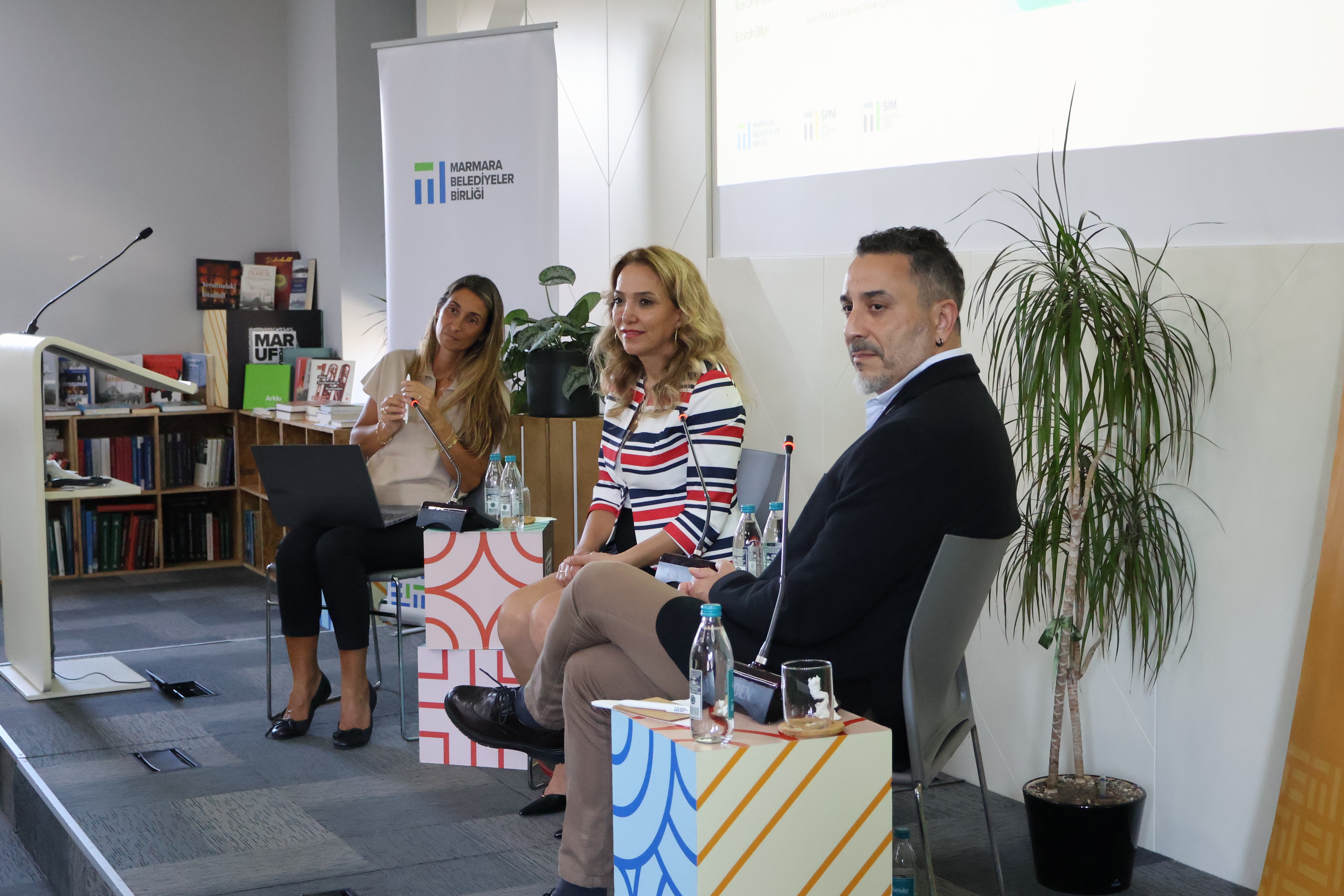
Moderated by Prof. Dr. Gamze Varank, faculty member at Yıldız Technical University’s Department of Environmental Engineering, the session brought together Prof. Dr. Ece Ümmü Deveci from Ege University and Emrah Bilge, Director General of Mind Your Waste Foundation. The speakers emphasized the importance of preventing waste at source, expanding reuse and recycling and properly managing organic waste to reduce the use of primary raw materials and energy. The session also explored how zero waste infrastructure and locally applicable waste and resource management models can contribute to cities’ climate targets, sustainable development and quality of urban life.
Addressing the relationship between waste management and climate action, Prof. Dr. Gamze Varank highlighted the key role of cities in addressing climate change. Varank emphasized that climate action should be based not only on emissions reduction, but also on planning resource use effectively and improving resource efficiency. Drawing attention to the root causes of waste generation within production and consumption processes, Varank noted that the growing culture of rapid consumption is leading to increasingly intensive use of resources and stressed the need to shift from a waste management perspective towards a broader resource management approach.
Varank noted that every product purchased represents more than the product itself, as the raw materials, energy and other resources used in its production are also part of the consumption process. Varank emphasized that when products become waste at the end of their useful life, this represents not only a waste disposal challenge but also the loss of the resources embedded in those products. In this context, Varank highlighted the importance of transforming consumption patterns and preventing waste generation, identifying food waste prevention as a strategic priority. Varank noted that preventing waste is an important step both in conserving resources and strengthening climate action and emphasized the need for policies that promote reuse and repair, strengthen recycling, and keep resources in circulation.
In her remarks, Prof. Dr. Ece Ümmü Deveci noted that waste generated as a result of production and consumption processes can become a significant source of greenhouse gas emissions when not properly managed, highlighting the particular importance of organic waste management. Deveci noted that the contribution of the waste sector to global greenhouse gas emissions varies depending on the methodology and scope used for calculation. Deveci also emphasized that the disposal of organic waste under inappropriate conditions can lead to methane generation, underlining the importance of source separation and appropriate treatment of biodegradable waste. Referring to the potentially higher share of organic and biodegradable waste in municipal waste streams in rural areas, Deveci highlighted the need to reconsider local and low-tech solutions such as traditional composting.
She also pointed out that recycling processes do not always lead to environmentally beneficial outcomes. Drawing attention to risks associated with the packaging industry, chemical additives and the impacts of microplastics on human health, Deveci emphasized that eliminating single-use wet wipes and certain single-use packaging products from everyday consumption could create significant opportunities for change.
Emrah Bilge addressed the issue from the perspectives of public awareness, behavioural change and institutional and individual responsibility. Bilge argued that the roots of the problem lie in an unlimited consumption mindset and emphasized that waste management begins not at the household level, but at the point of purchasing products. He also noted that plastic recycling is not as environmentally benign as is often assumed and emphasized the need to prioritize materials such as glass that can be repeatedly recycled and are more compatible with natural systems.
Bilge emphasized the urgent need to integrate repair, adaptation and reuse practices into local policies for packaging and other products. Referring to claims that countries such as Sweden have achieved zero waste through waste-to-energy incineration facilities, he argued that such approaches can be misleading, noting that incineration also generates emissions. Bilge stressed that the most effective solution is to reduce the amount of waste generated in the first place. He also called on municipalities to demonstrate leadership by reducing their procurement of single-use products, emphasizing that reuse models can provide significant benefits for both municipal budgets and urban ecosystems.
Structured around the key focus areas of the COP31 Action Agenda, the “Urban Talks Towards COP31” series has brought together experts from different disciplines to discuss urban climate action, covering issues including cities’ capacity to adapt to climate change, climate finance, just transition, resilient health systems, circular economy, and waste management. All recordings from “Urban Talks Towards COP31” series can be accessed here.