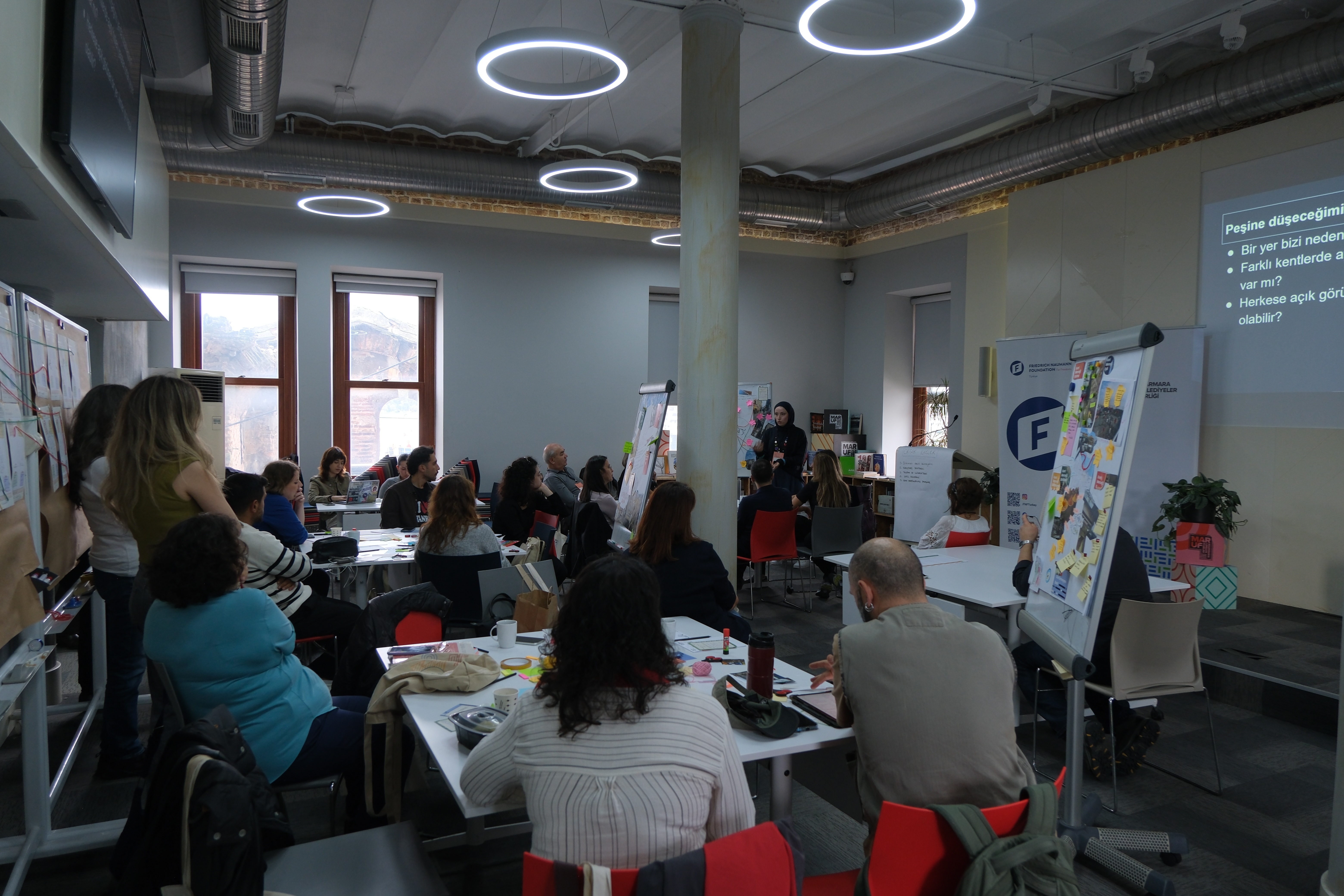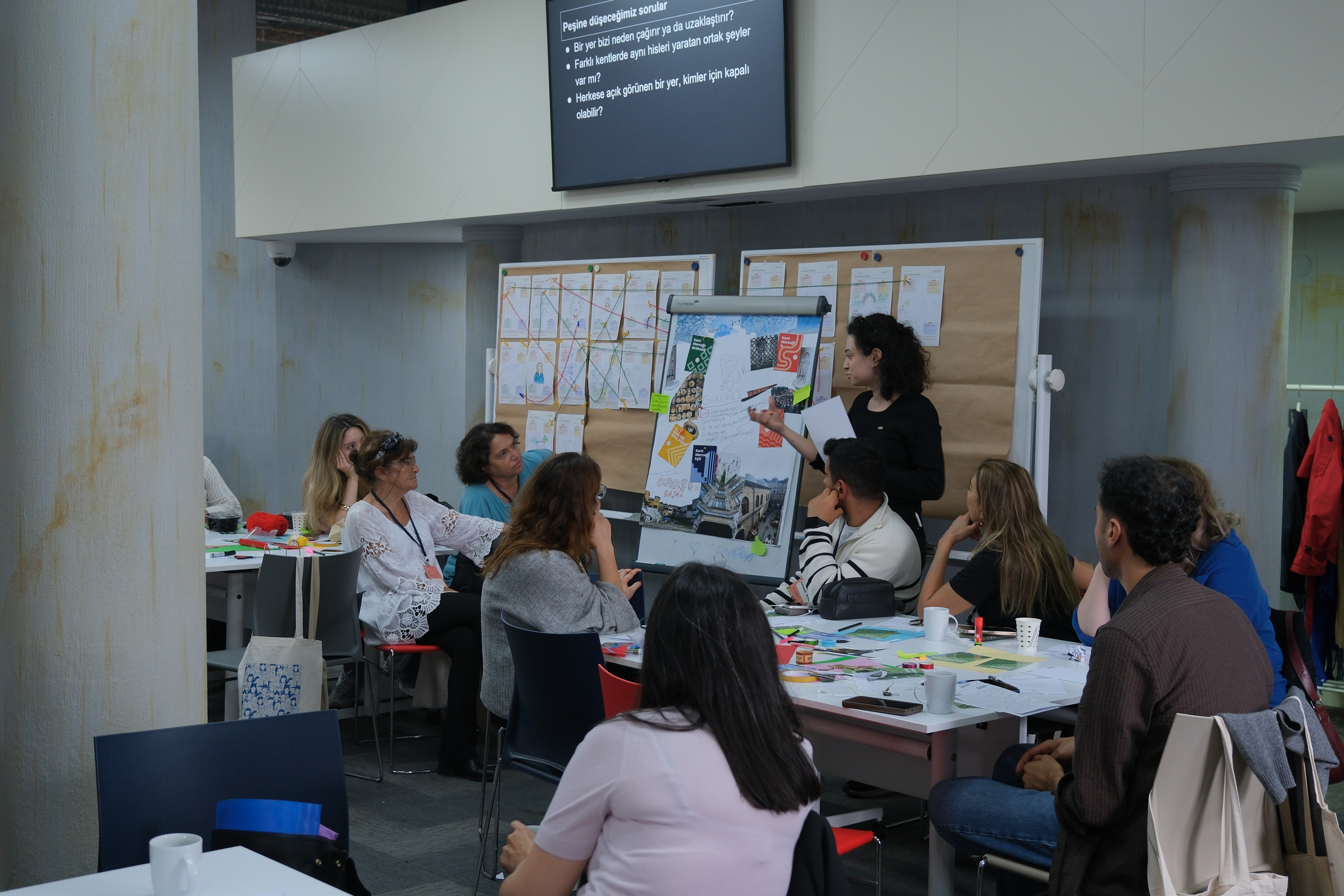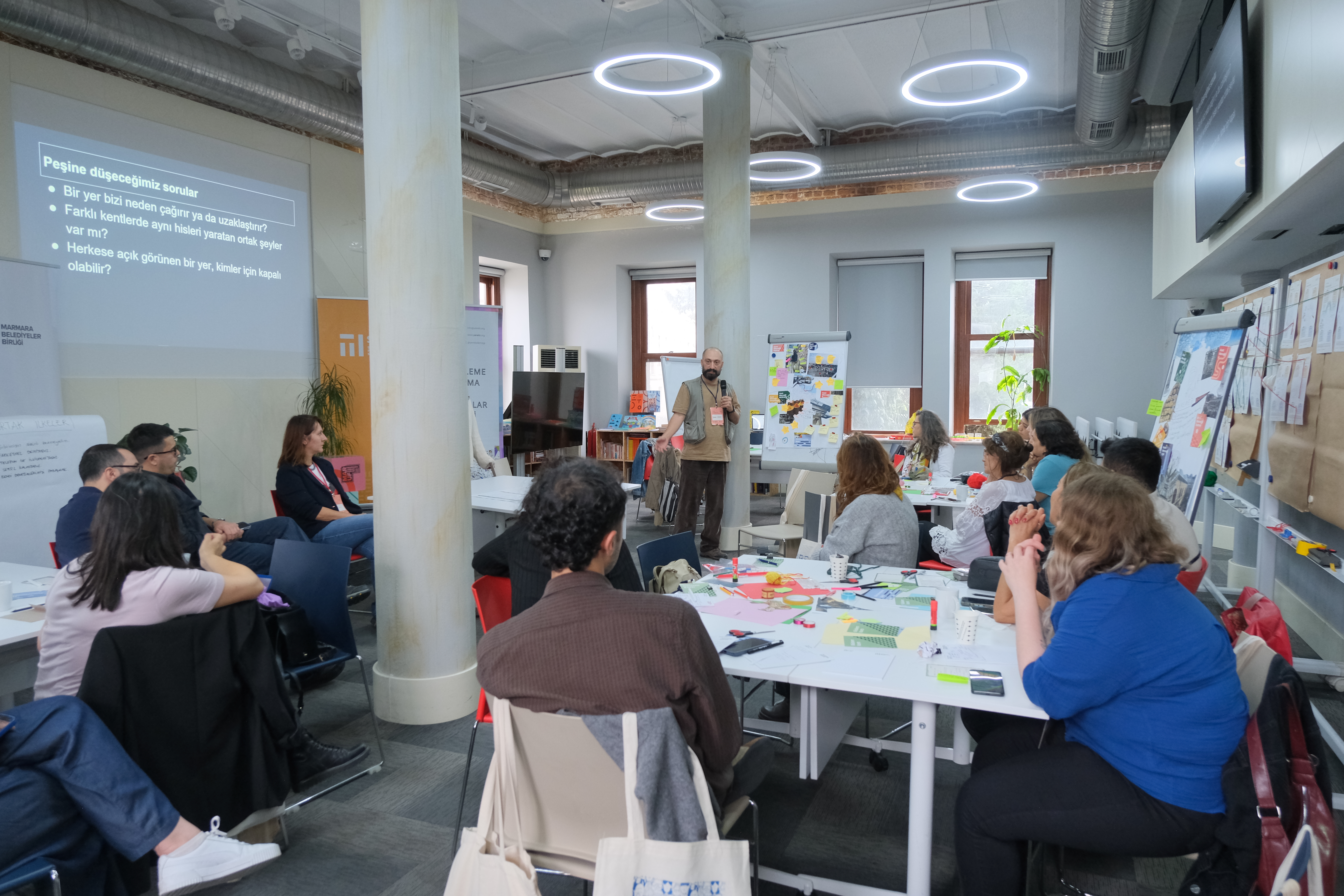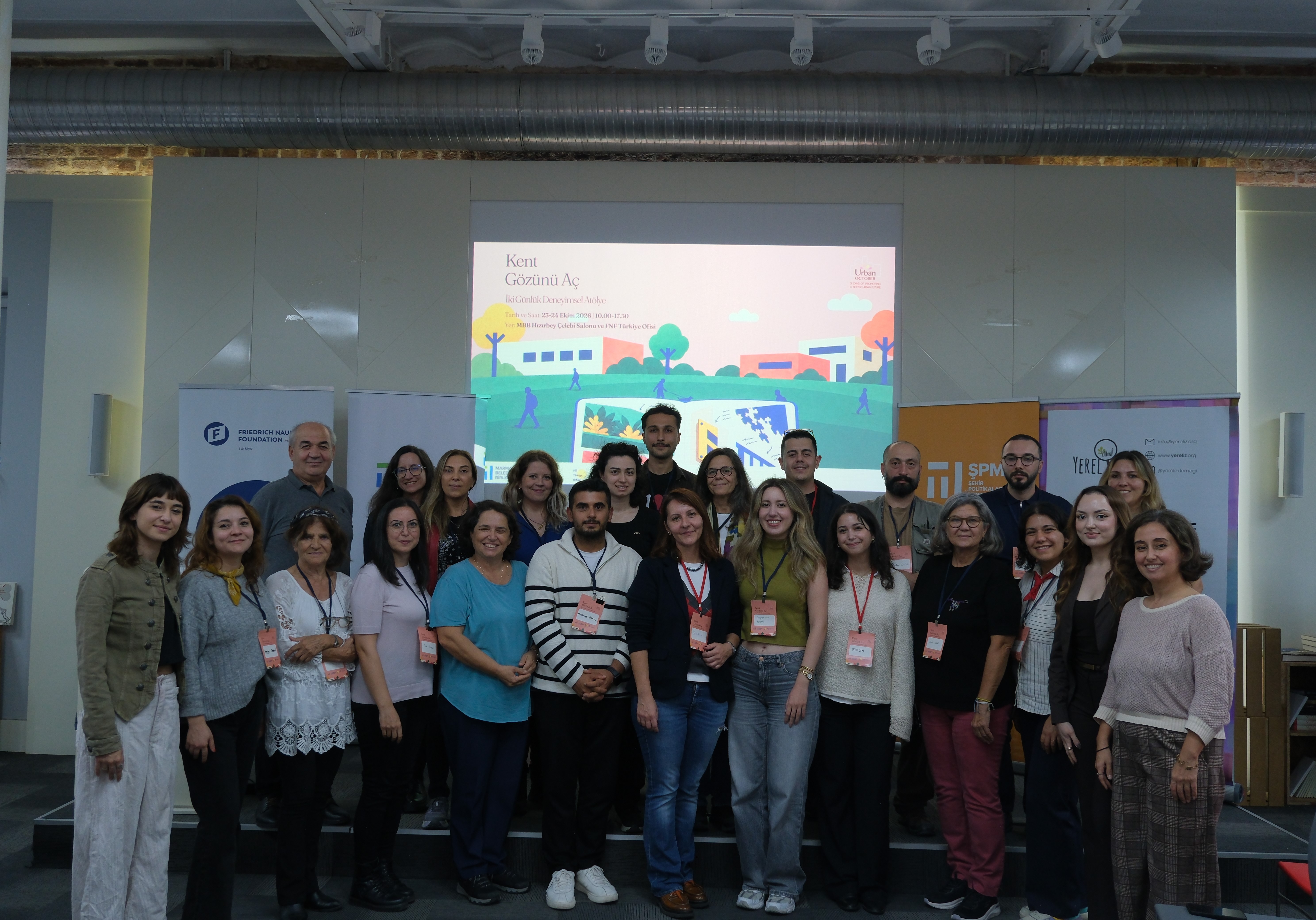
The City, Re-Seen Workshop Invited Participants to See the City Through a Different Lens
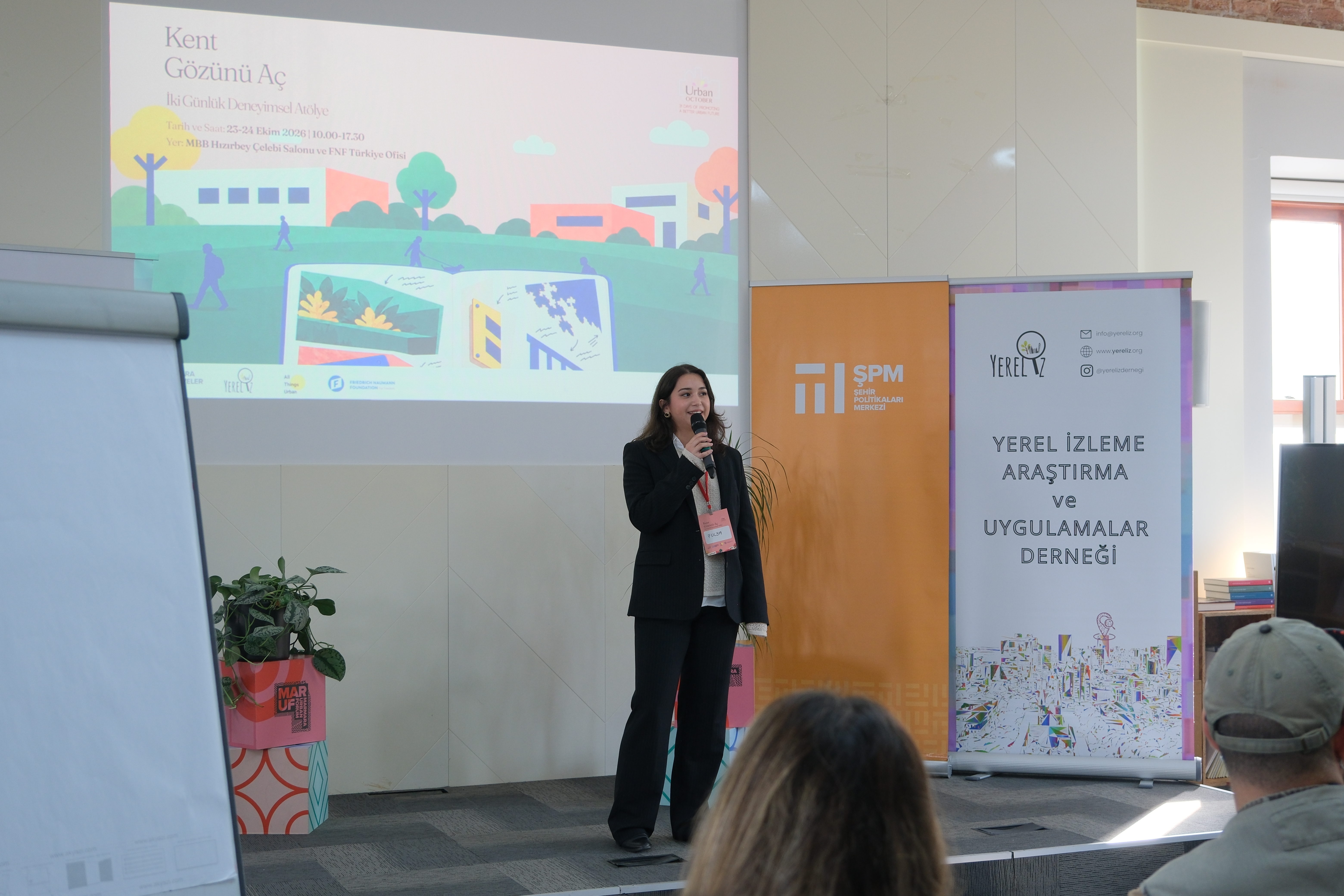
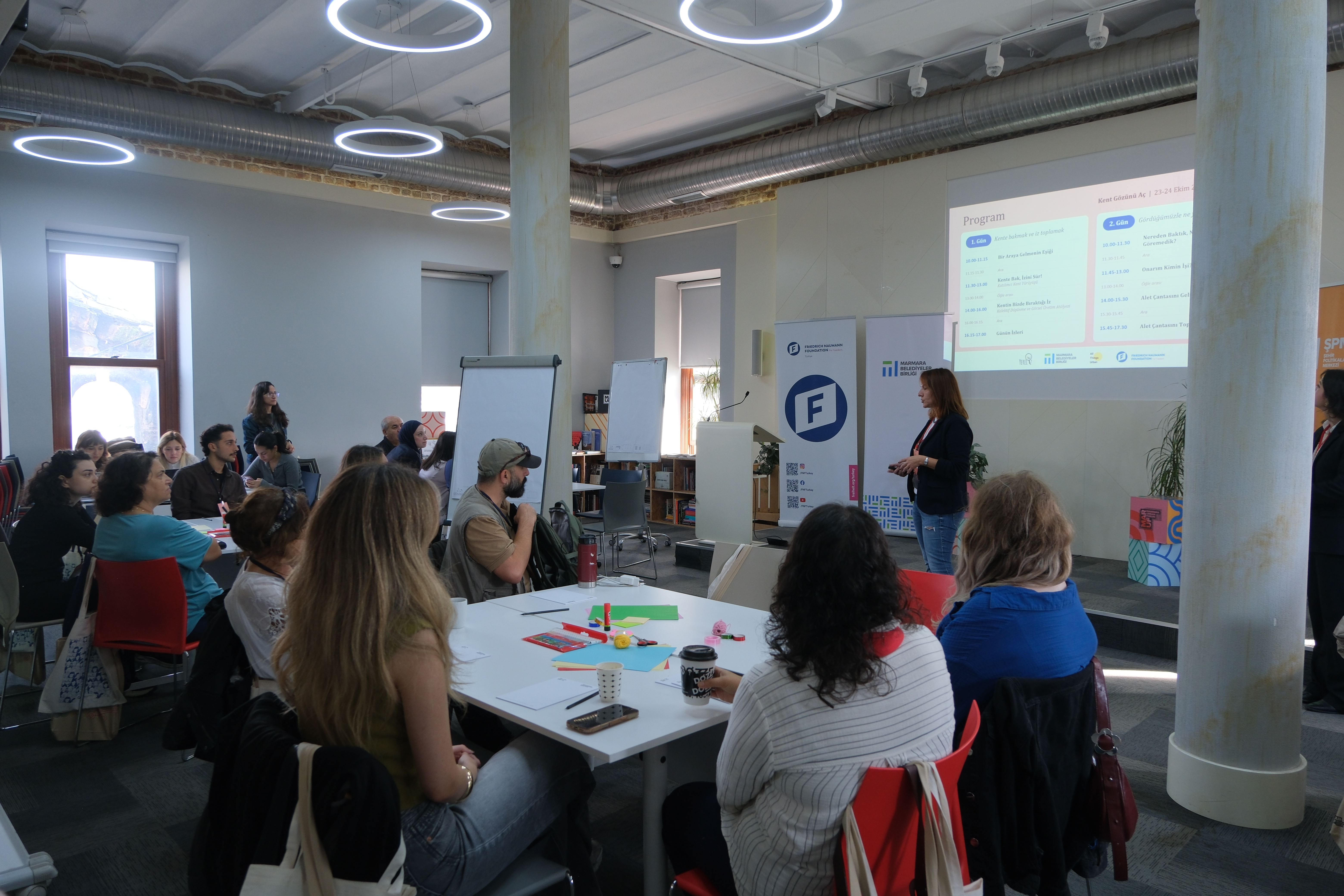
Everyday experiences, encounters, memory and how we feel in urban spaces offer important clues to understanding a city, alongside data, plans and maps. “The City, Re-Seen” explored the city through perspectives shaped by different disciplines and personal experiences. Participants discussed freedom, social trust, memory, public space, belonging, well-being and the urban commons through their everyday manifestations.
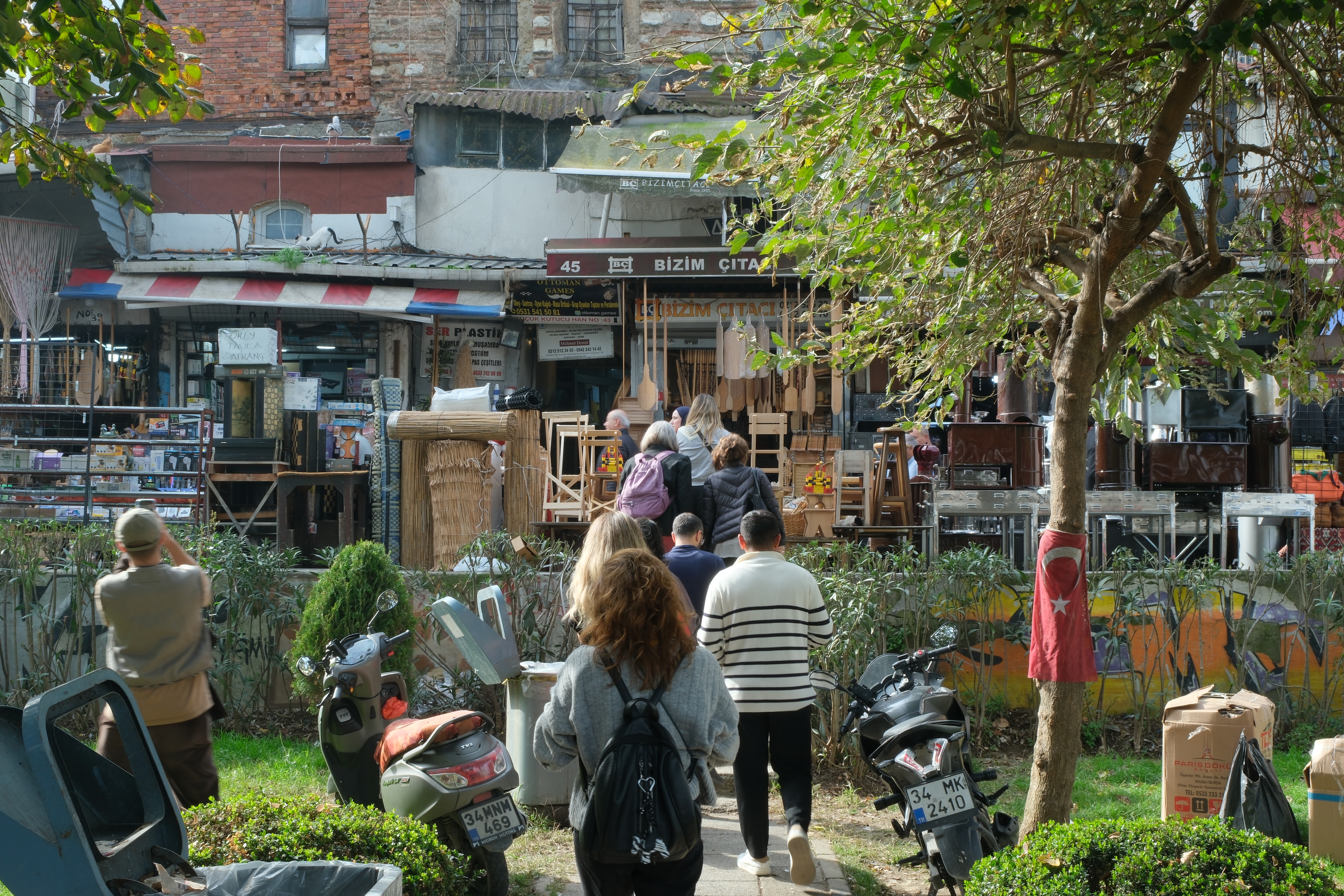
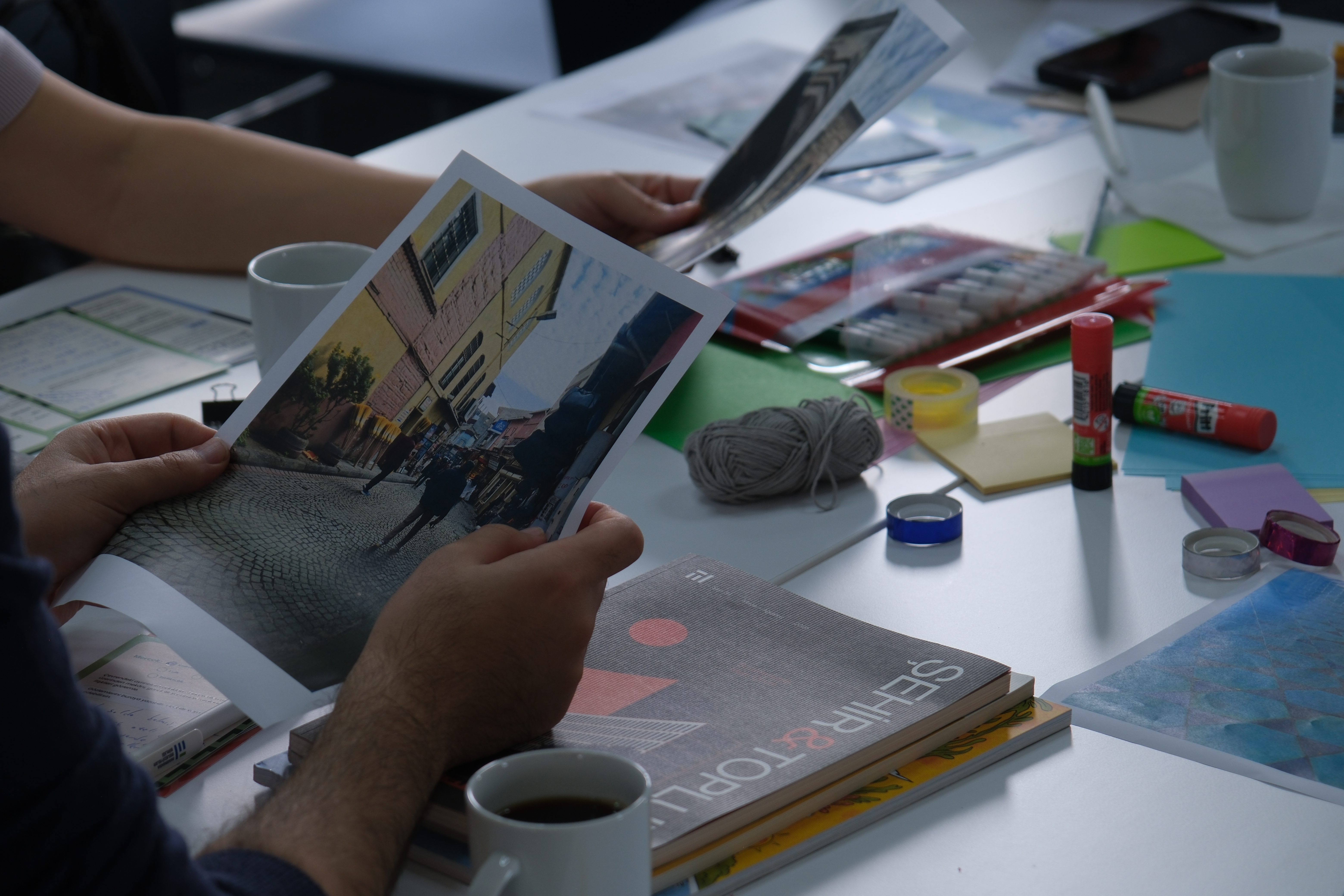
During their walk in Eminönü, participants looked at the city through the lenses of staying, encounter, togetherness, threshold and trace. Through observation, photography and note-taking, they asked who could comfortably stay in a place, under what conditions encounters were possible and what might be overlooked. They connected these observations with their own experiences, reflecting on how different places made people feel and how they related to them.
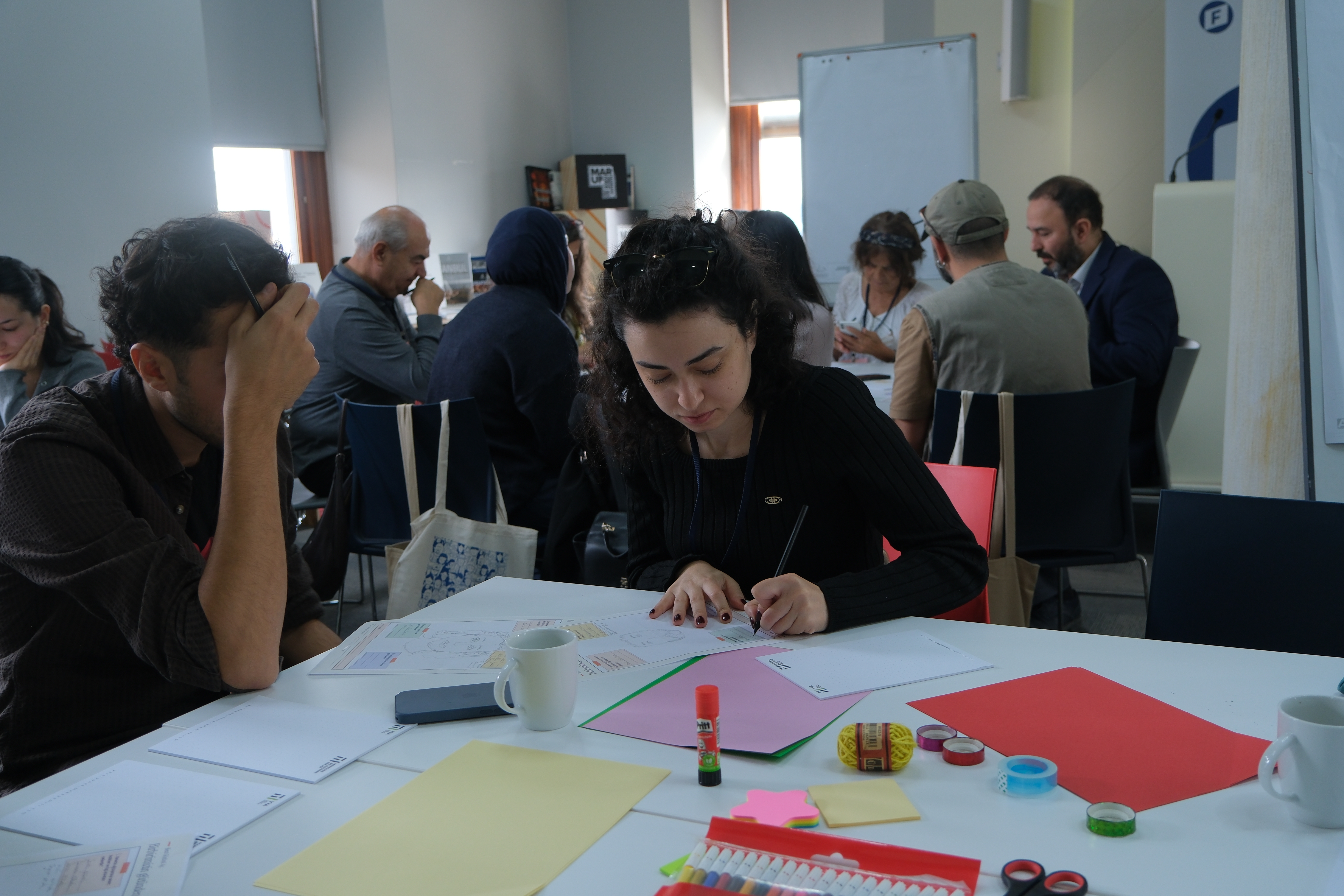
On the second day, participants tried to see the city through the eyes of different residents. They considered what a child, an older person or another city resident might notice along the same route, and reflected on the limits of their own perspectives and the experiences they leave unseen. They discussed how to address situations that create insecurity, exclusion and exhaustion in the city, asking “Who is responsible for regeneration?” and considering the roles of different actors.
First Steps Towards a Shared Urban Toolkit
At the end of the two-day programme, the groups proposed three tools that could be developed in different cities and areas of work:
- A Safe Streets Tool for Parents and Children focuses on parents’ and children’s experiences of moving through the city and relating to their surroundings. It invites each city to examine everyday mobility along a street route chosen to reflect local conditions. Participants try different scenarios, such as an adult walking with children of different ages, moving at different paces or reaching a particular destination, and assess sidewalk barriers, crossings and street design. The walk is supported throughout by smartphone tools for task prompts, comments, observations and route tracking. Parents, children, shopkeepers and other local actors can share their experiences on the same day, compare assumptions with how the route is actually used, and discuss responsibility for improvements together. Scenarios and observation points can be adapted to each neighbourhood; the results can be mapped spatially to support decision-making.
- An Interactive Heritage Experience Map uses participant experiences and interactive mapping to explore cultural heritage, making residents’ personal, everyday relationships with places visible rather than repeating official inventories. Users can mark a location, select a building type and share observations, its current condition, the period their observation relates to, any concerns and photos. Initially, a team would review submissions before adding them to the map; future development could include community validation and feedback to local authorities. The map could build shared urban memory and awareness, while also providing information on care and conservation needs. The current prototype focuses on built heritage, with food, festivals and other cultural practices identified as possible areas for future development.
- An Experiential Tool Addressing Urban Safety Through a Portable Installation and Participatory Drama opens up discussion of urban safety through an experiential space designed in a spiral form. Visuals, short scenes and encounters help participants notice how they feel in a particular place, then share their everyday experiences and the conditions that shape feelings of insecurity. Bringing notes and statements together can make visible both shared and differing experiences across people and places. Following the initial prototype developed during the workshop, the tool is intended to be refined to strengthen the participant experience.
These proposals offered a starting point for developing methods to observe the city, ask questions and reflect on different experiences together.
The methods tested and questions raised during the programme can contribute to a shared urban toolkit that can be adapted for use in different cities and areas of work.