
Local Adaptation Options for Agricultural Drought Assessed in Four Districts under the AGROSHIELD Project
The Marmara Municipalities Union (MMU) held Community-Based Adaptation Action Plan (CAAP) workshops in four districts as part of its AGROSHIELD Project. The project is implemented within the framework of CLIMAAX, supported by the European Union’s Horizon Europe Programme. AGROSHIELD (Agricultural Risk Assessment and Resilience Strategies against Drought in the Southern Marmara Basin) aims to identify agricultural drought risks at district level and develop practical adaptation measures.
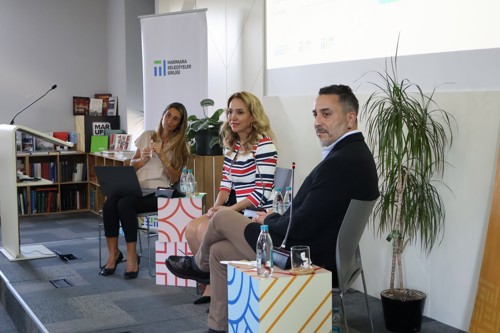
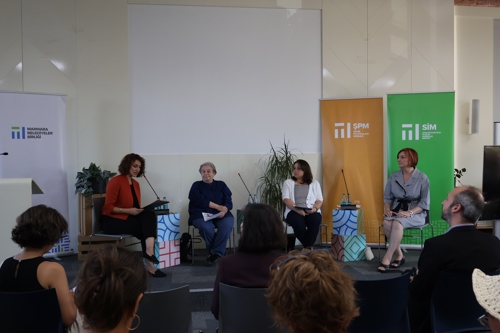
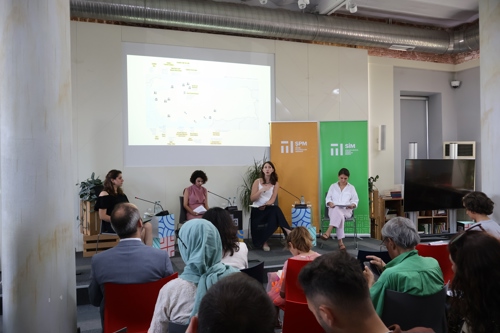
Held on 13-16 October 2026, the workshops brought together farmers, producers, cooperative representatives, district directorates of agriculture and forestry, irrigation associations, officials from the General Directorate of State Hydraulic Works (DSİ), and relevant metropolitan municipal departments.
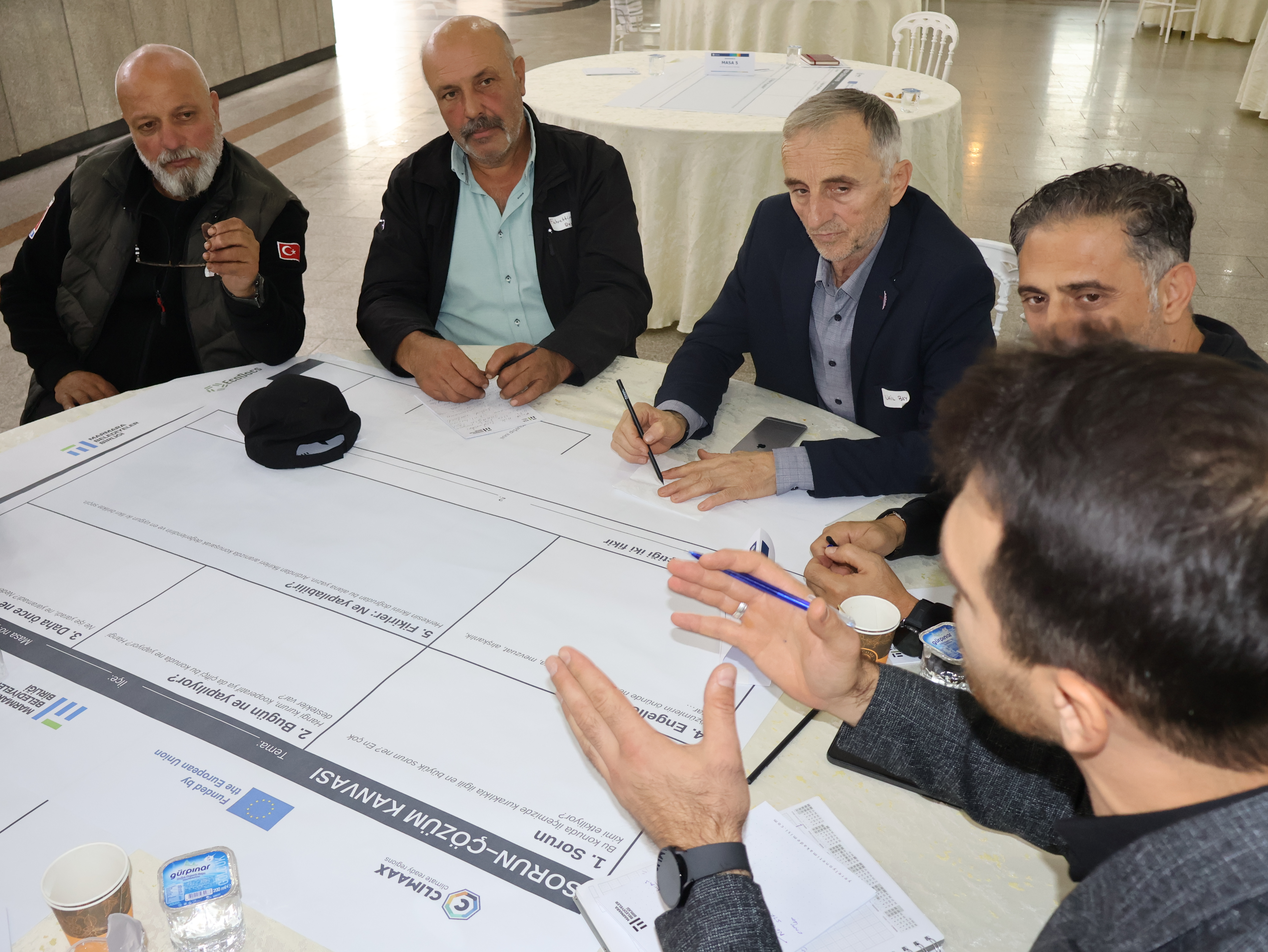
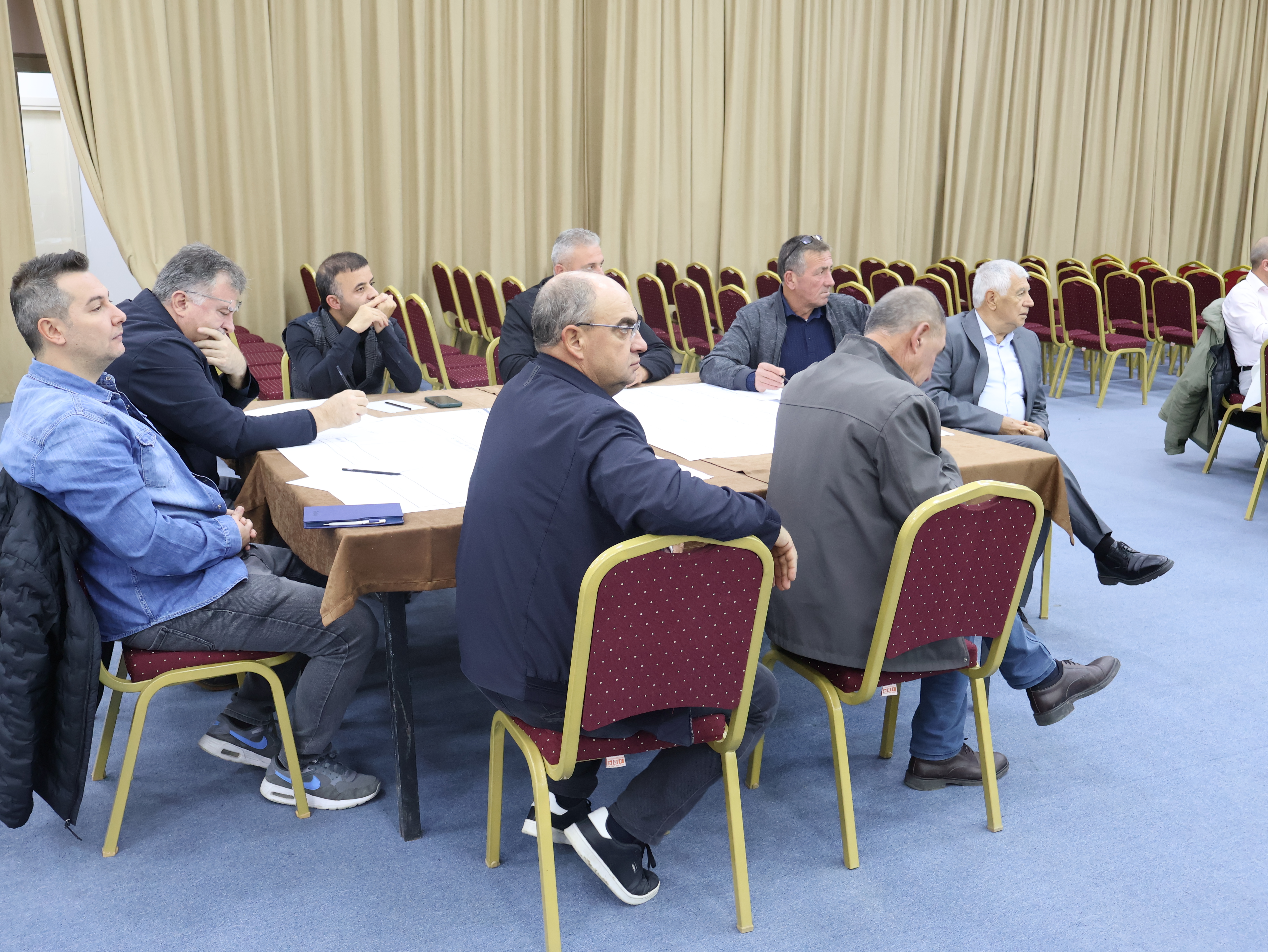
Participants reviewed the findings of agricultural drought risk analyses prepared under the project. Drawing on local knowledge and experience, they discussed the effects of drought on production, water resources and farmers’ incomes, and identified priorities and possible solutions for each district.
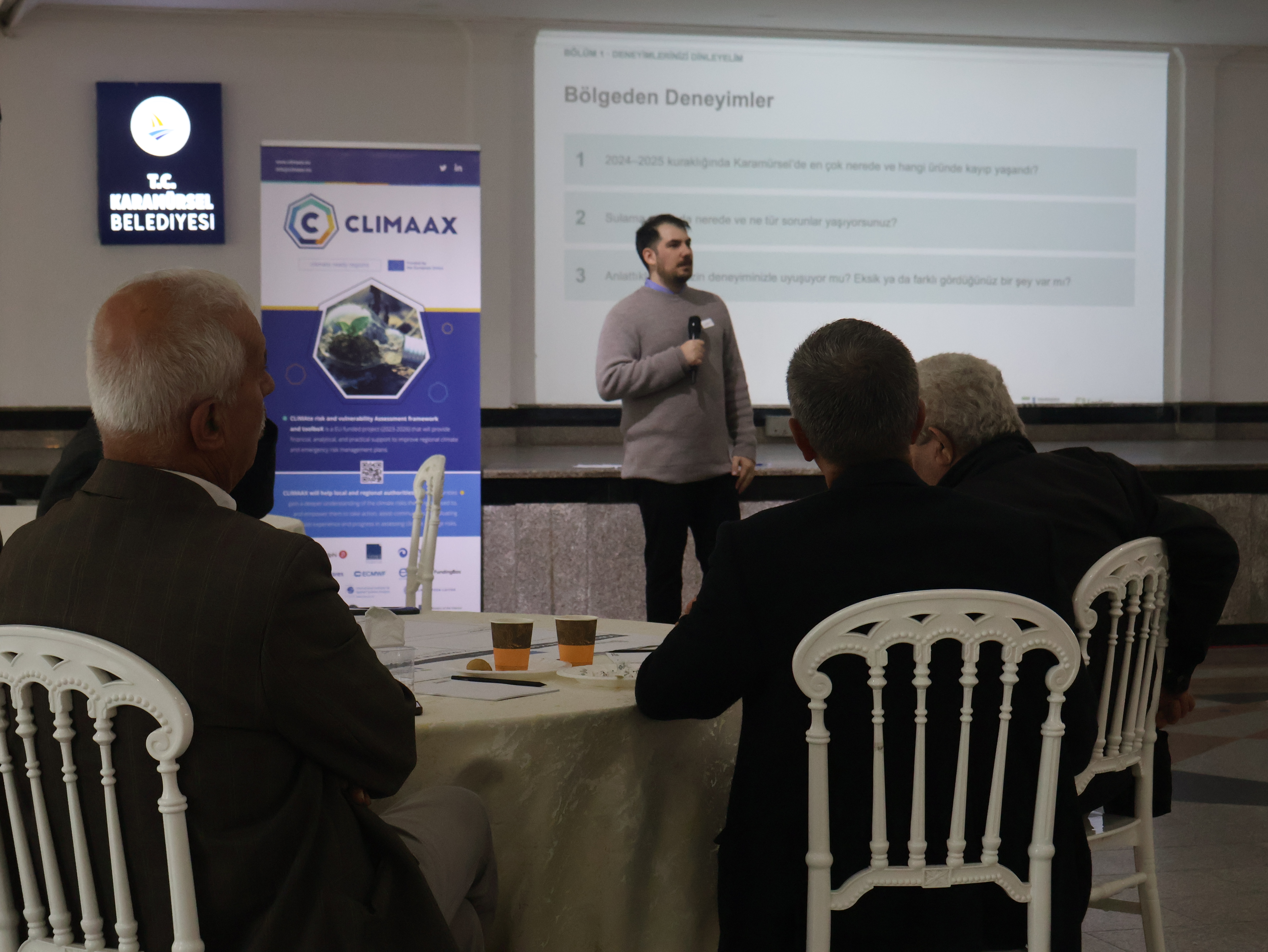
Karamürsel: Farmer Income and Agricultural Planning
Product prices, market access and protecting farmers’ incomes were central to discussions in Karamürsel. Participants reported that drought had not yet had a pronounced impact on agricultural production in the district, but stressed the need to prepare for growing risks.
They recommended considering water availability, climate conditions and market opportunities when planning alternative cropping patterns. Other proposals included expanding farmers’ markets and direct sales channels, supporting cooperatives, and improving irrigation efficiency for drought-sensitive crops.
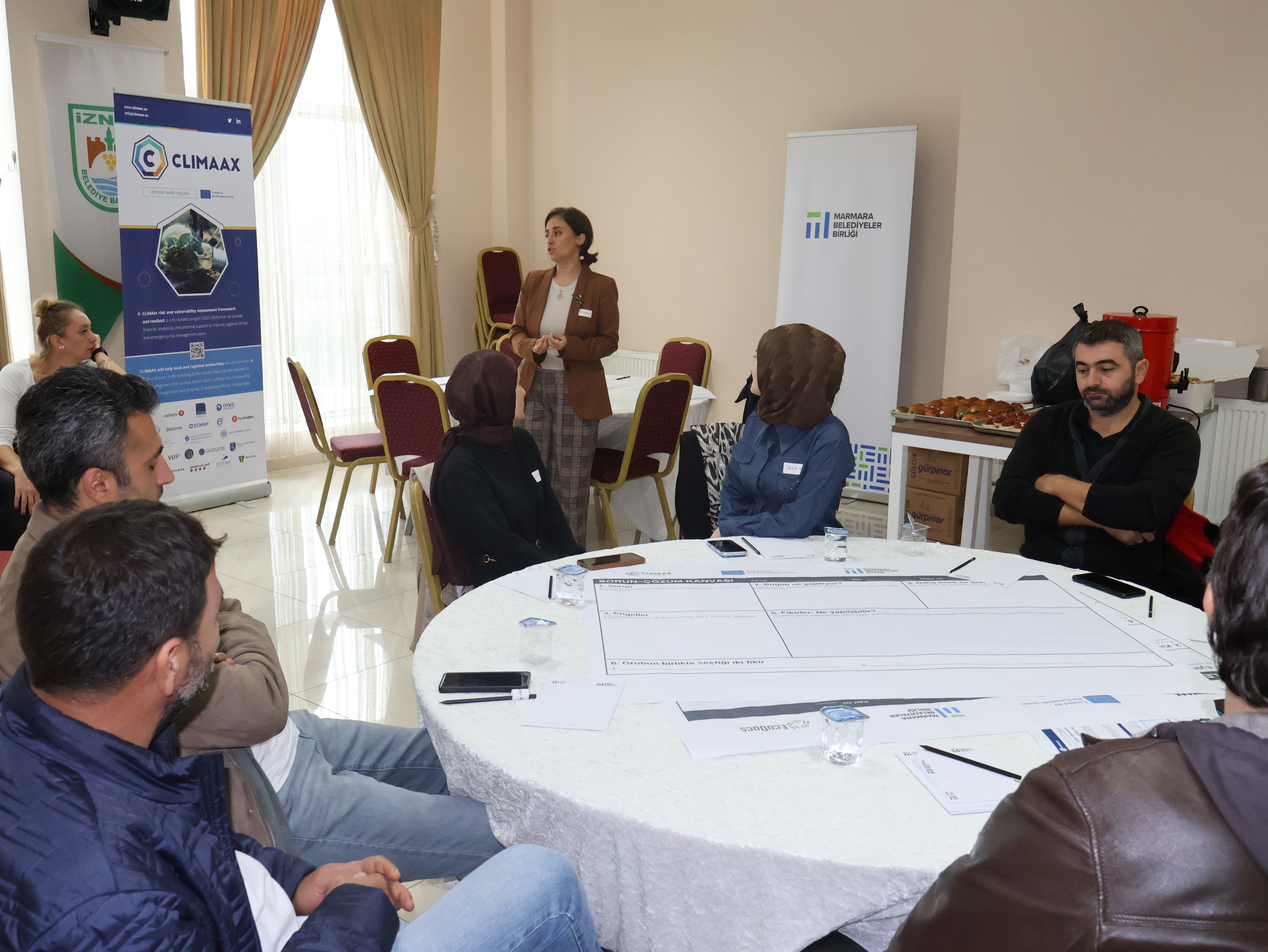
İznik: Irrigation Infrastructure and Access to Water Data
In İznik, discussions focused on how receding water levels in Lake İznik affect agricultural production. Participants highlighted the need to improve irrigation infrastructure, reduce losses in open-channel systems and expand efficient methods such as drip irrigation.
They called for up-to-date water-use data to be shared in an accessible and understandable format, and for agricultural, drinking water and industrial needs to be considered together. Improving producers’ access to irrigation support and providing information on efficient irrigation practices were also discussed.
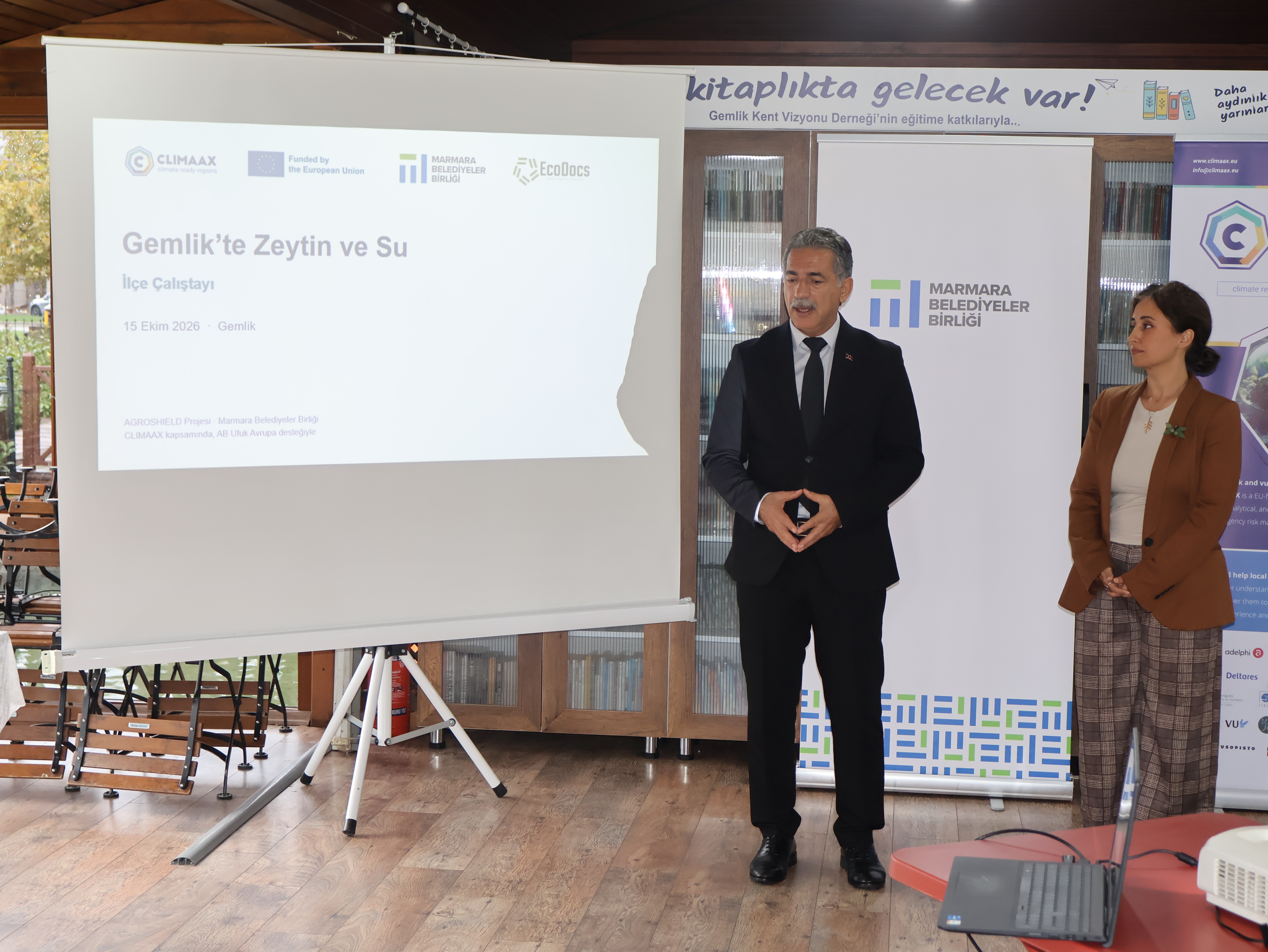
Gemlik: Alternative Water Sources and Olive Production
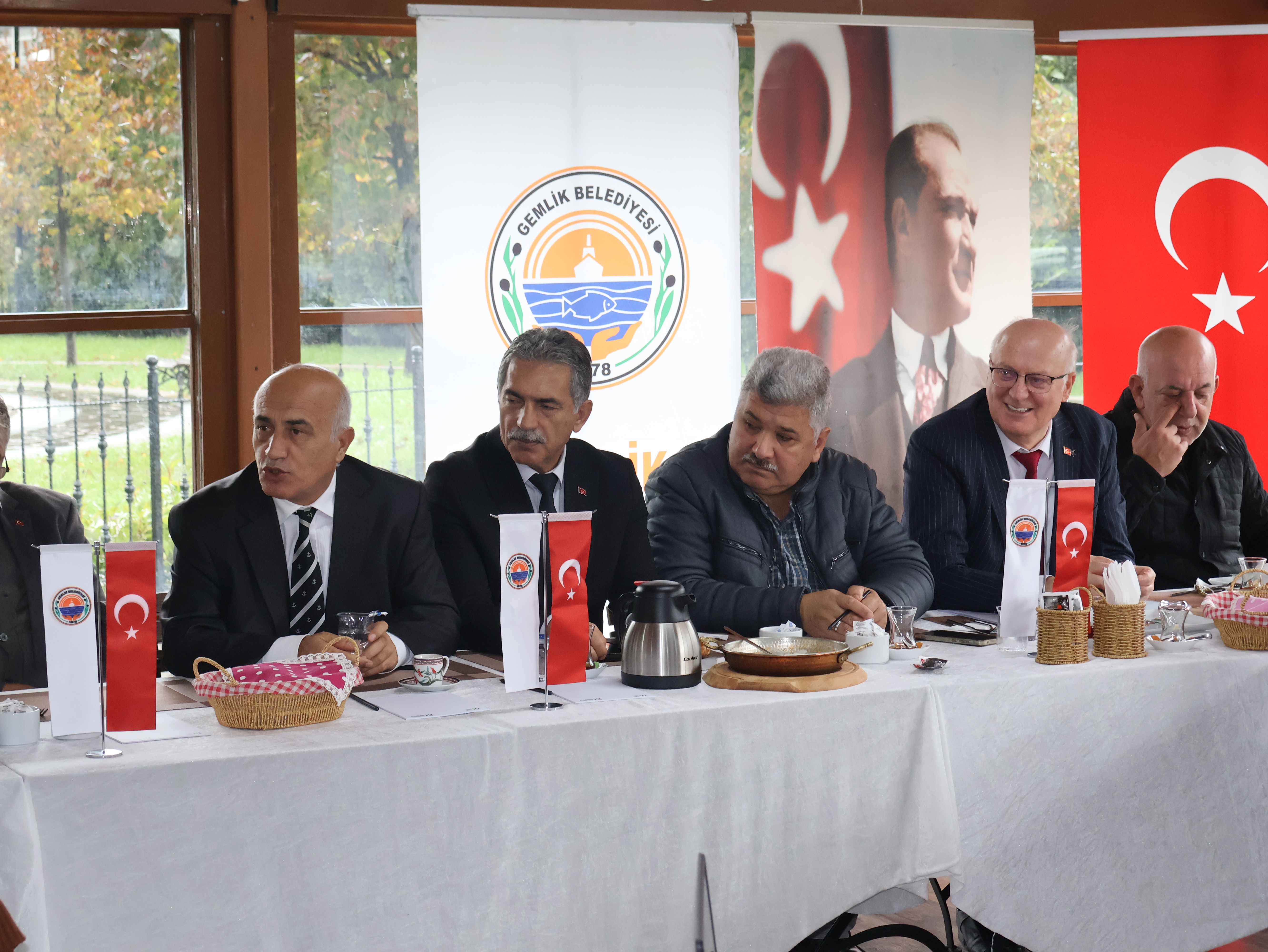
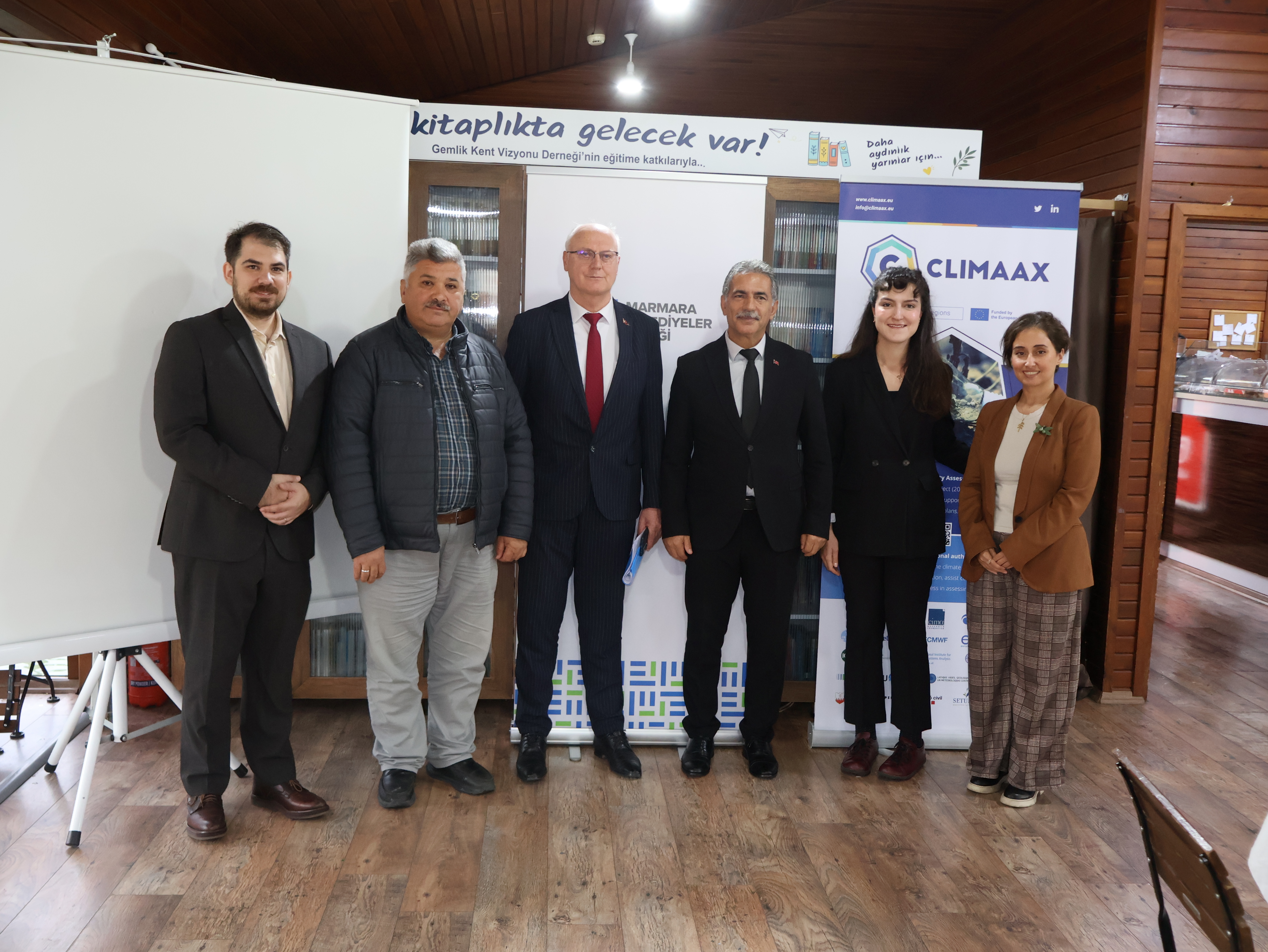
The workshop, attended also by Gemlik Mayor Şükrü Deviren and District Governor Osman Aslan Canbaba, examined how changing climate conditions could affect the region’s key crops, particularly Gemlik olives.
Proposals included using treated wastewater for agricultural irrigation under appropriate conditions, expanding rainwater harvesting and moving to closed-pipe irrigation systems. Participants also discussed supporting drip irrigation and providing practical guidance on managing olive groves during dry periods.
They emphasised that the use of alternative water sources requires careful consideration of water quality, regular monitoring, implementation costs and crop quality.
Gönen: Rice Production and Joint Water Planning
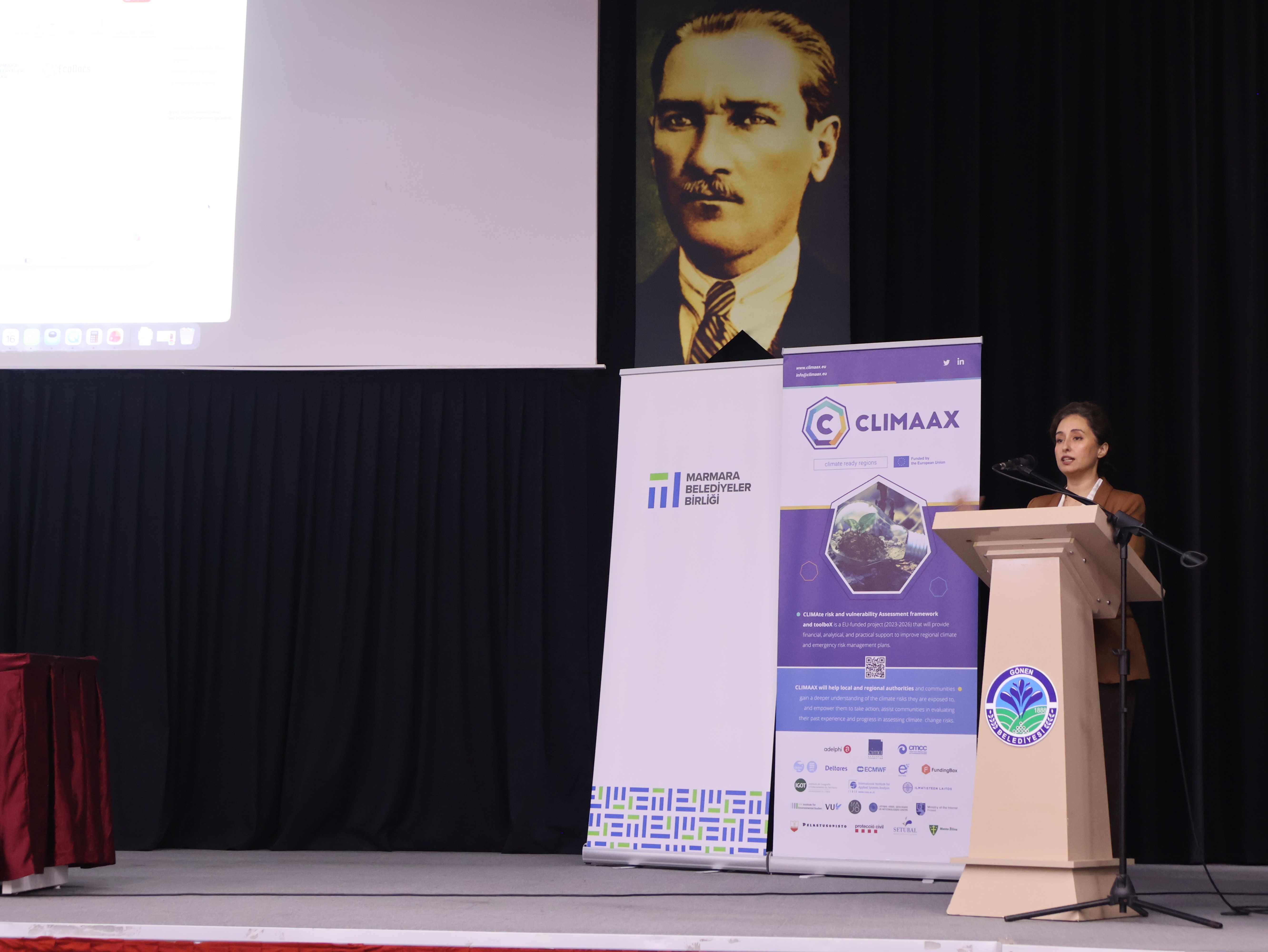
The Gönen workshop examined the water needs of rice cultivation in the context of agricultural drought. Participants proposed reducing irrigation losses, supporting closed-pipe systems and expanding the use of early-maturing rice varieties that require less water.
They highlighted the importance of bringing relevant institutions and producer representatives together before the production season to review water availability, irrigation schedules and measures for dry periods. Discussions also covered the operating and pricing arrangements of different irrigation systems and ways to encourage water conservation.
District-Level Adaptation Plans to Follow
Common priorities across the four workshops included reducing irrigation losses, strengthening coordination between institutions, sharing water data, expanding efficient irrigation methods and adapting cropping patterns to changing climate conditions.
Participants’ views and priorities will inform four separate Community-Based Adaptation Action Plans to be prepared during the project’s third phase. The plans are expected to set out priority risks, locally appropriate adaptation measures, relevant stakeholders, implementation timelines and monitoring indicators.
AGROSHIELD brings together scientific risk analyses and the knowledge and experience of local governments, producers and relevant institutions to develop a roadmap for agricultural drought adaptation. The workshops provide a basis for identifying practical measures that can help each district prepare for changing climate conditions and sustain agricultural production.