EMA Forum 2026 Gathered European Metropolitan Leaders in Istanbul
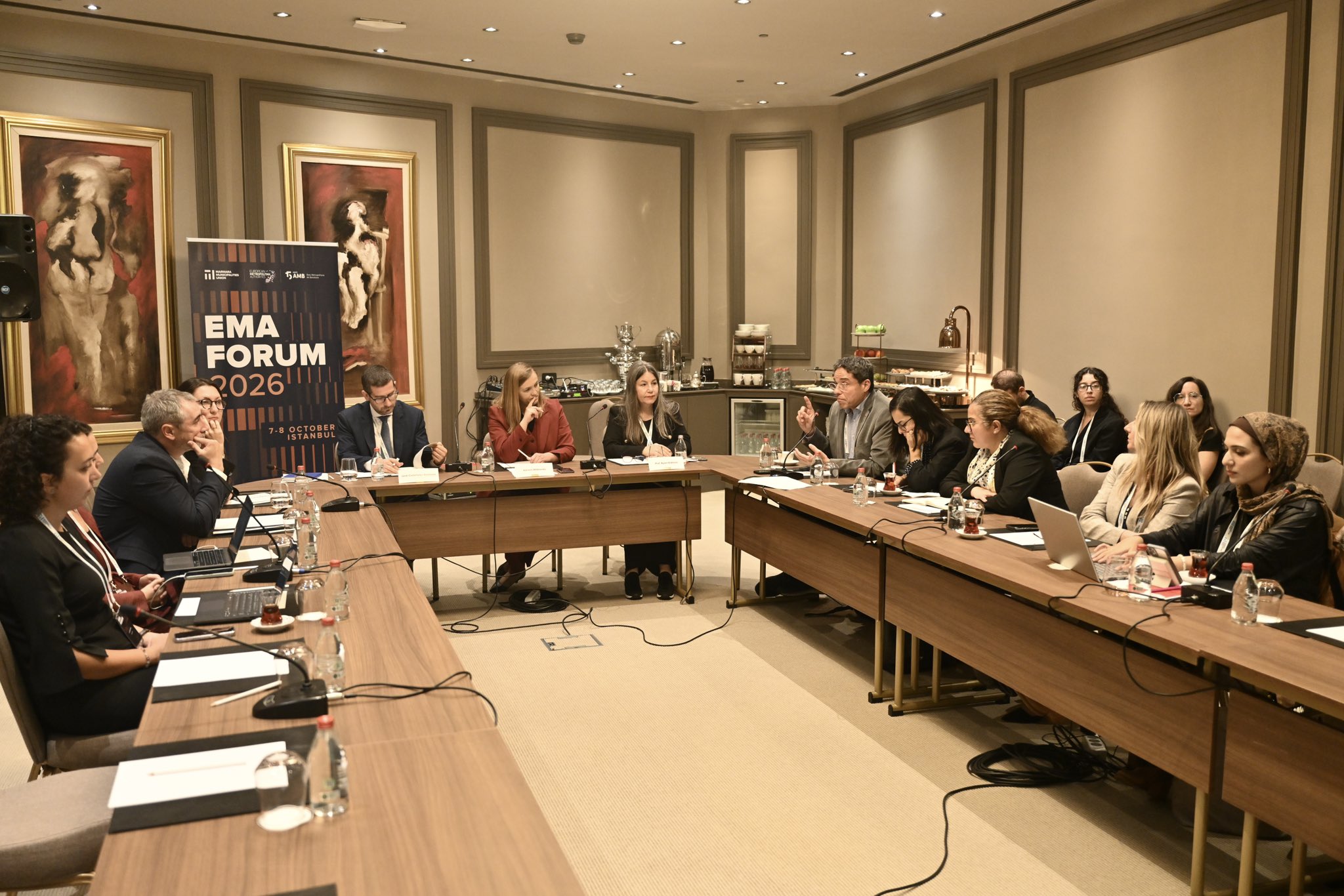
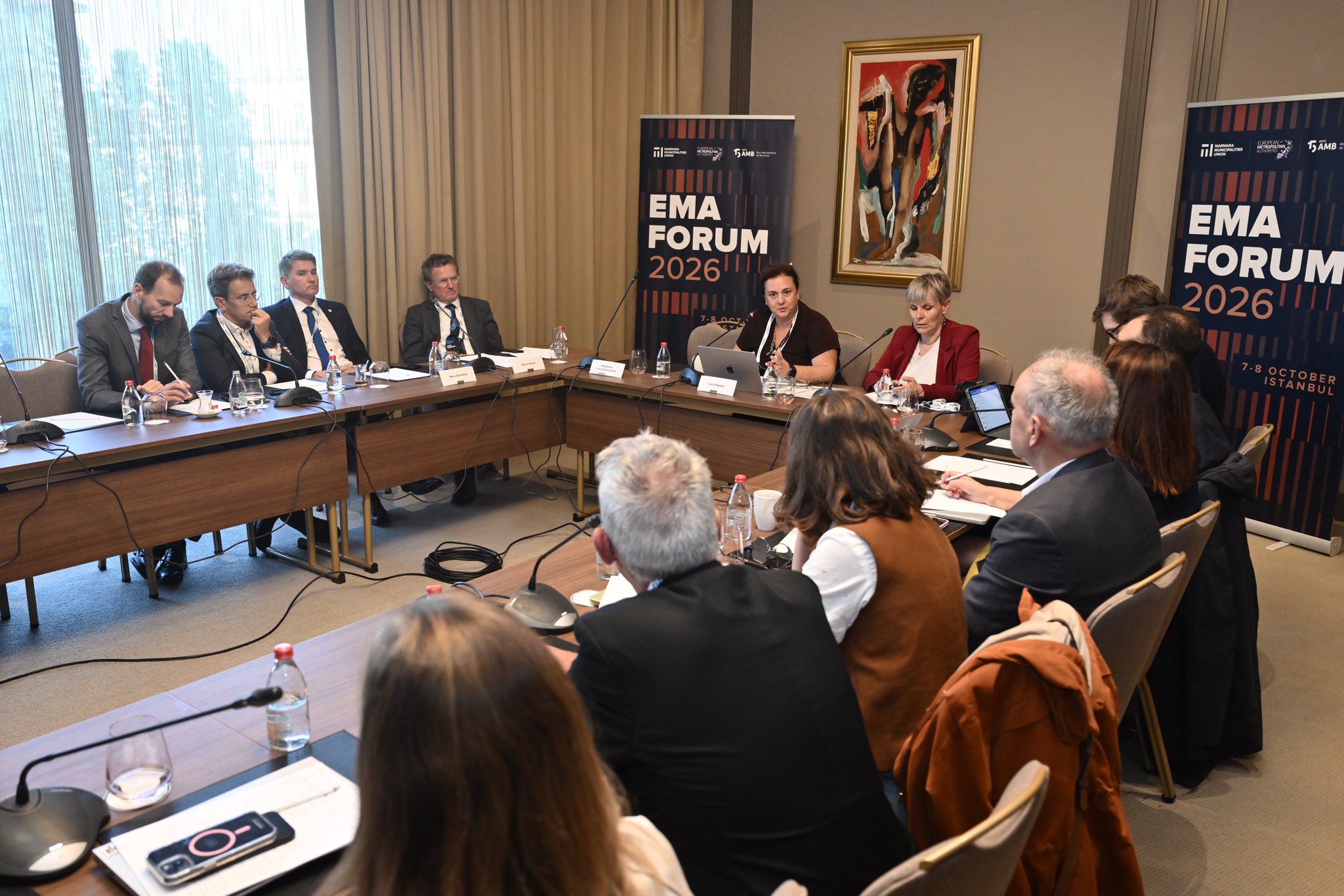
The 11th edition of the EMA Forum began on 7 October with site visits focusing on Istanbul's water management systems, followed by a High-Level Political Meeting with the participation of mayors and elected representatives from European metropolitan areas. The main programme on 8 October brought together representatives of European metropolitan areas, European institutions and international organisations. The programme featured opening speeches, a Mayoral Panel, the signing ceremony of the EMA 2026 Political Declaration and three parallel interactive roundtables.
The Forum Started with Site Visits on Istanbul's Water Management
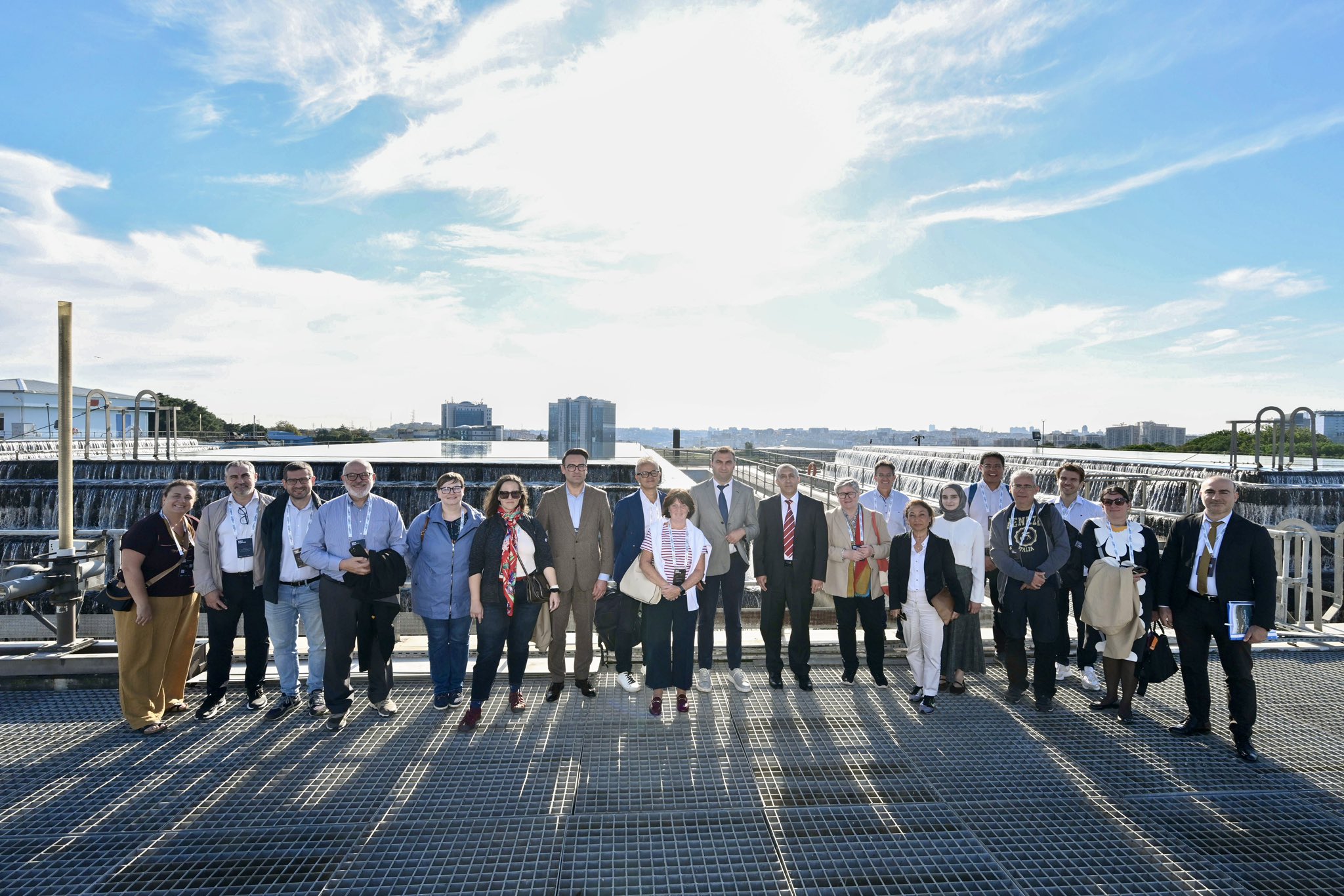
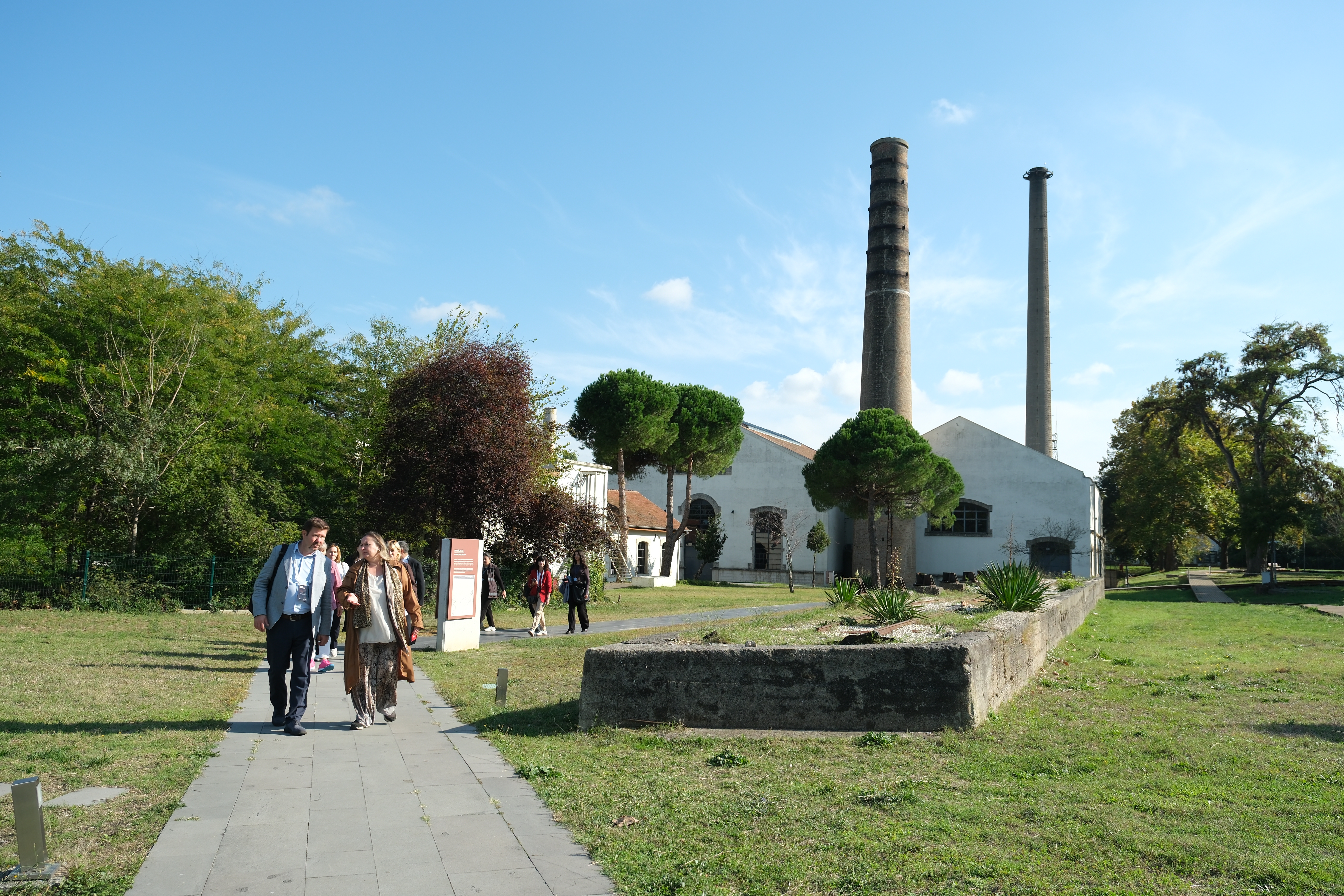
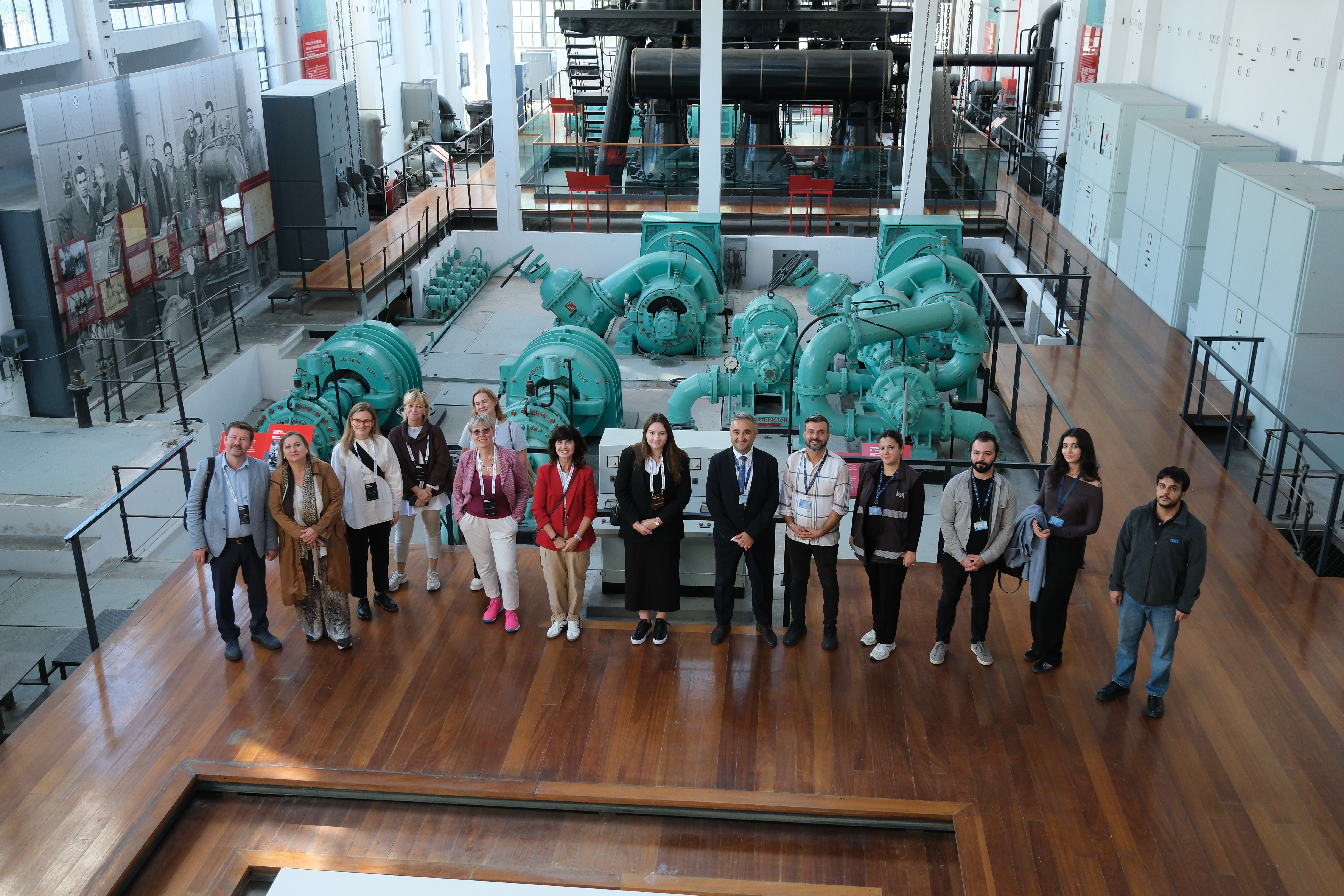
On the first day of forum, participants joined two site visits to explore different aspects of Istanbul's water management systems. At the Istanbul Water Civilizations Museum, discussions focused on how water infrastructure, urban growth and climate resilience have shaped Istanbul across centuries. The site offered more than a cultural visit, providing a bridge between the city’s historic water systems and today’s challenges of metropolitan water security, drought risk and sustainable resource management.
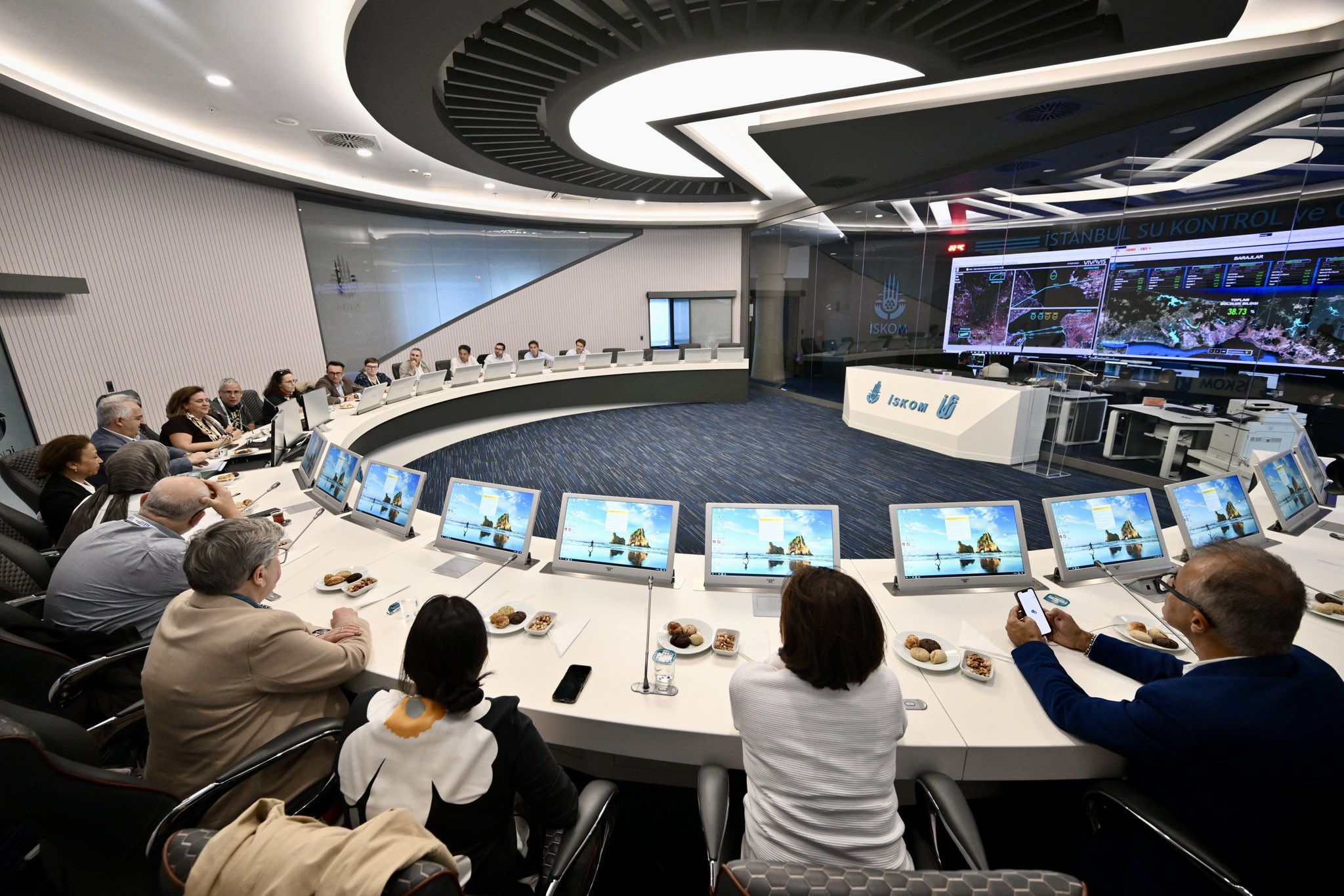
The visit to Istanbul’s Water Control and Automation Center (ISKOM) and Kağıthane Drinking Water Treatment Plant, on the other hand, showed how Istanbul manages drinking water security at the scale of one of Europe’s largest urban populations. Starting with ISKOM, participants observed how digital monitoring, real-time data and metropolitan-scale coordination support the management of water resources, infrastructure operations, rainfall, flood risks and emergency conditions. Then the Kağıthane Drinking Water Treatment Plant demonstrated how Istanbul treats and supplies drinking water to its central districts under growing climate, population and demand pressures.
Metropolitan Leaders Exchanged Perspectives on Europe’s Future
Following the site visits, mayors and elected representatives from metropolitan areas in Europe gathered at the High-Level Political Meeting. They addressed the role metropolitan areas could play as Europe shapes its future policy and financial instruments, alongside the increasingly visible impacts of climate change on cities, particularly climate-driven water risks.
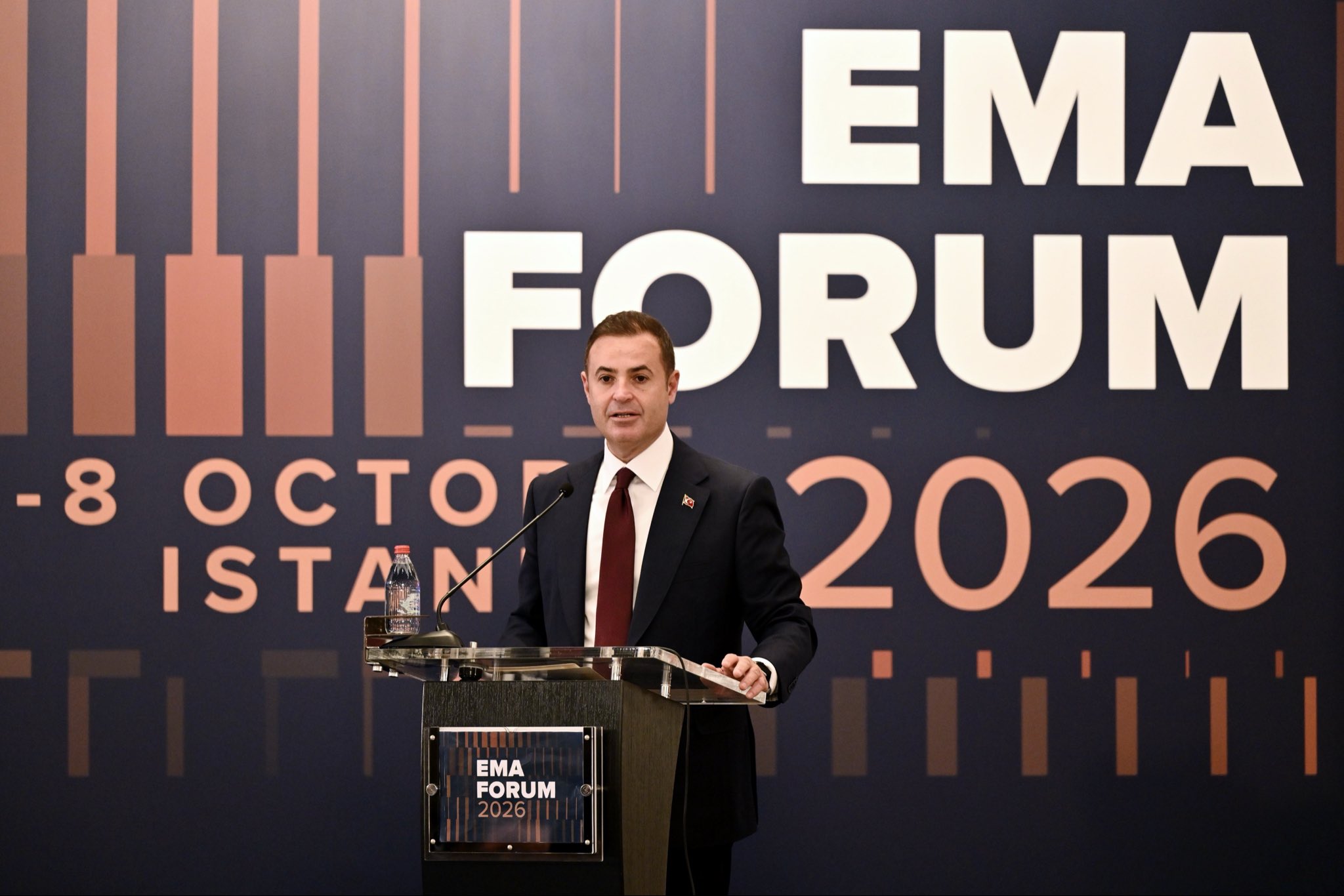
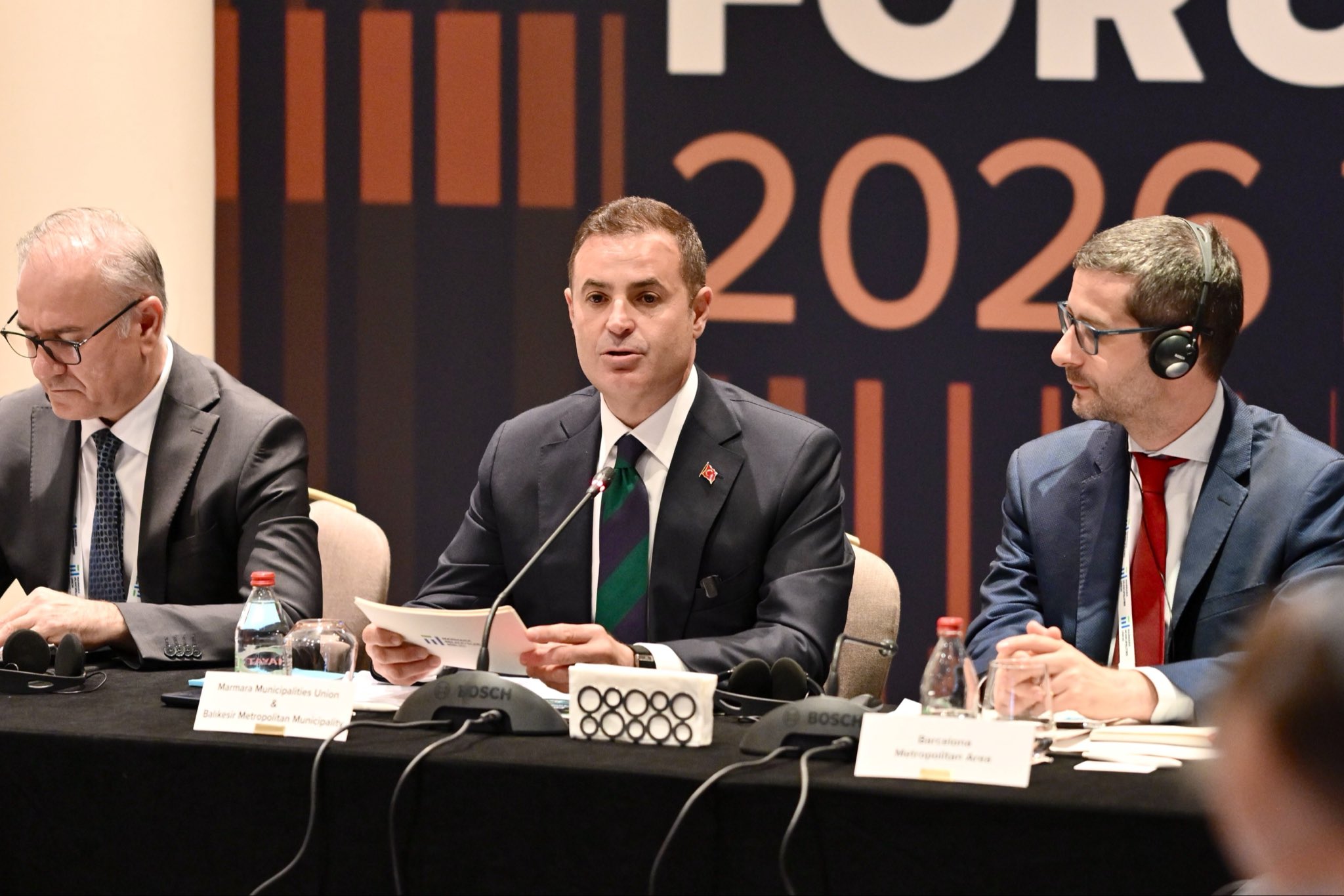
Opening the meeting, Ahmet Akın, President of Marmara Municipalities Union and Mayor of Balıkesir Metropolitan Municipality, highlighted the importance of recognising metropolitan areas as strategic actors in policymaking as the European Union prepares its Multiannual Financial Framework for 2028–2034 and future Cohesion Policy. Emphasising that climate-driven water risks cannot be addressed within administrative boundaries alone, Akın called for an integrated strategic approach bringing together water management, climate adaptation, spatial planning, infrastructure investment and social policy.
Jordi Castellana i Gamisans, Vice President for International Relations and Digital Metropolis at Barcelona Metropolitan Area, presented EMA's recent activities and developments concerning the European agenda and the upcoming financial period. Representatives of metropolitan areas exchanged views on their participation in European policy and funding frameworks, governance mechanisms for addressing climate-driven water risks, and ways to strengthen cooperation among national, regional and local authorities.
Governing the Metropolitan Future Discussed in Istanbul
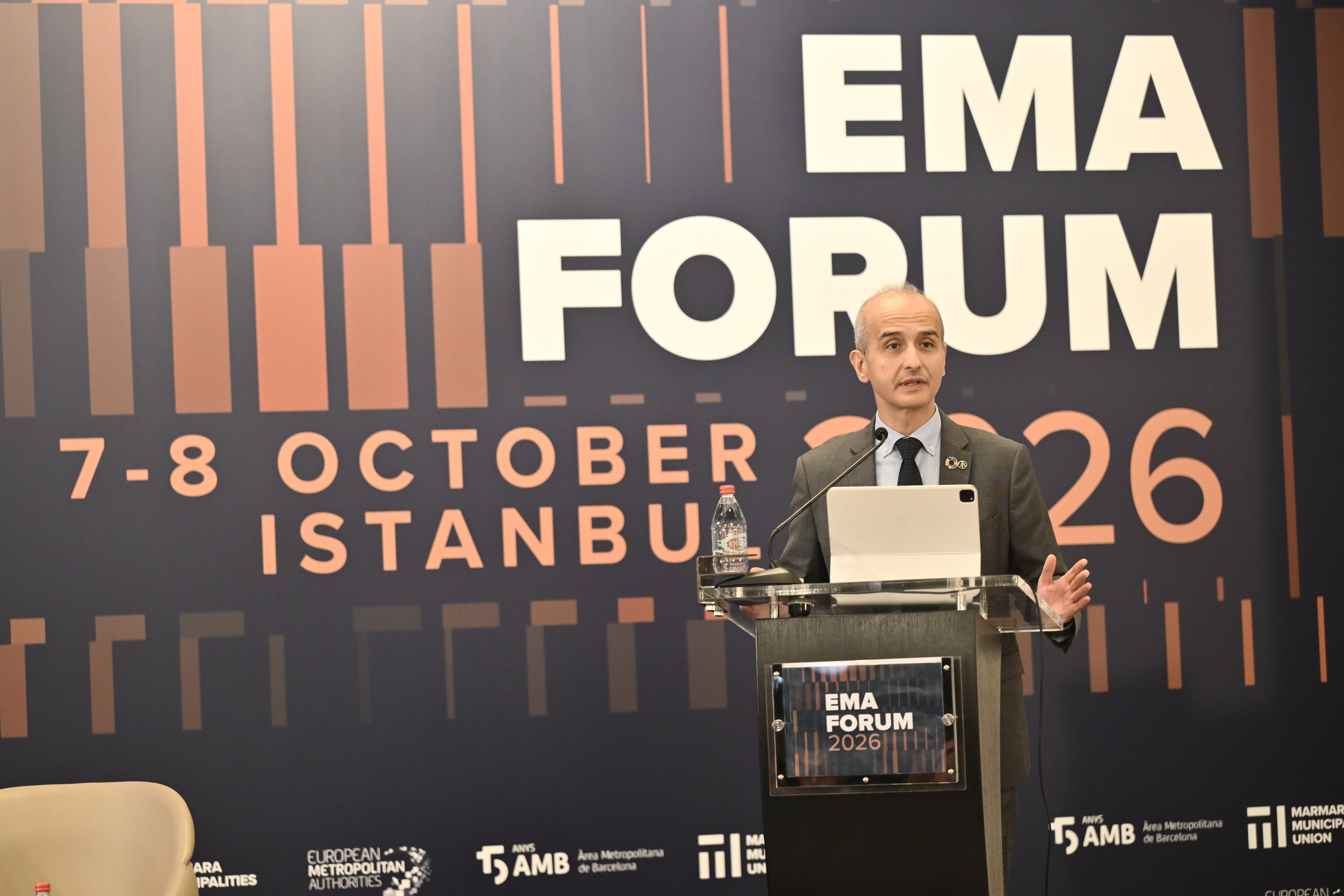
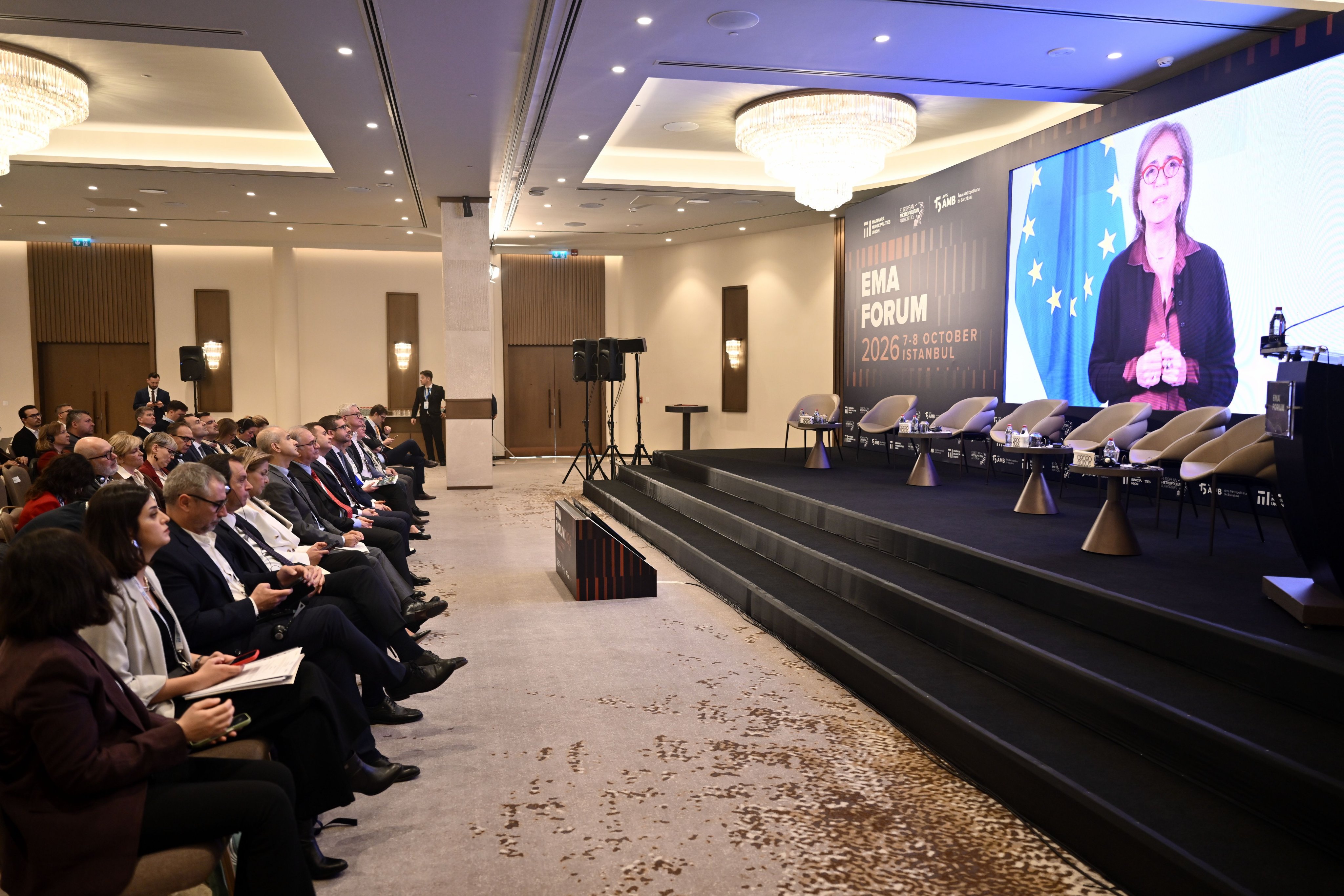
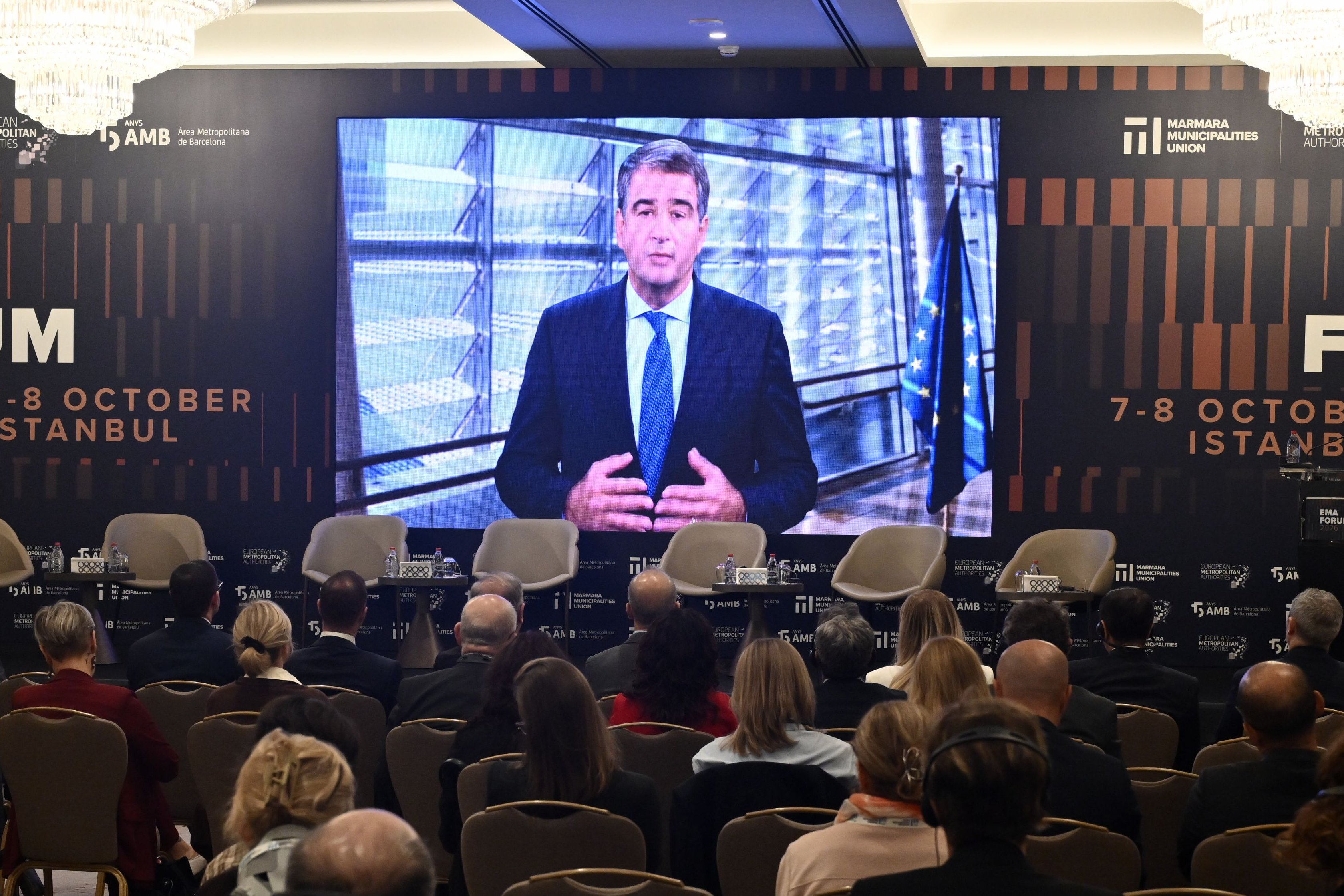
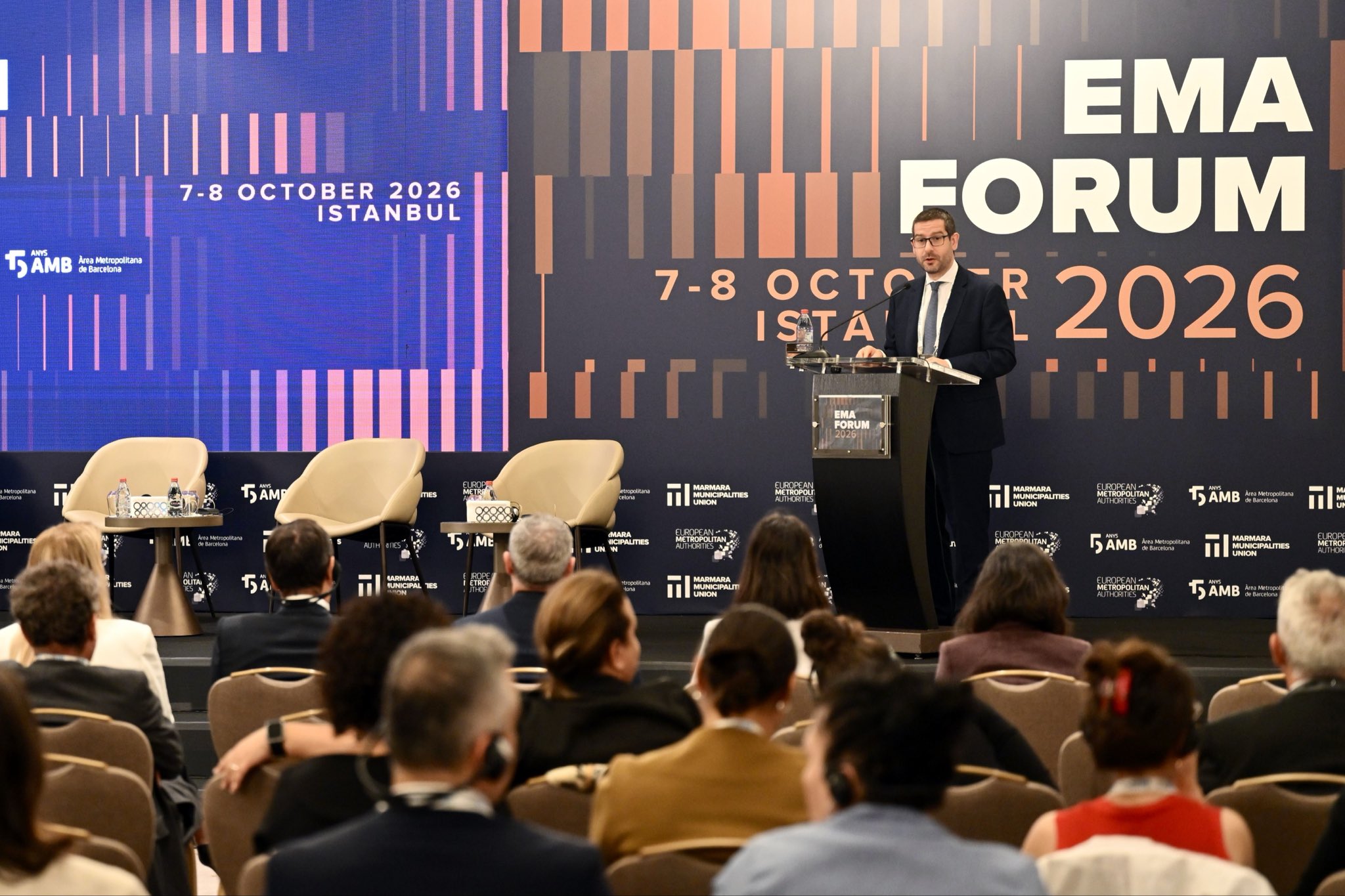
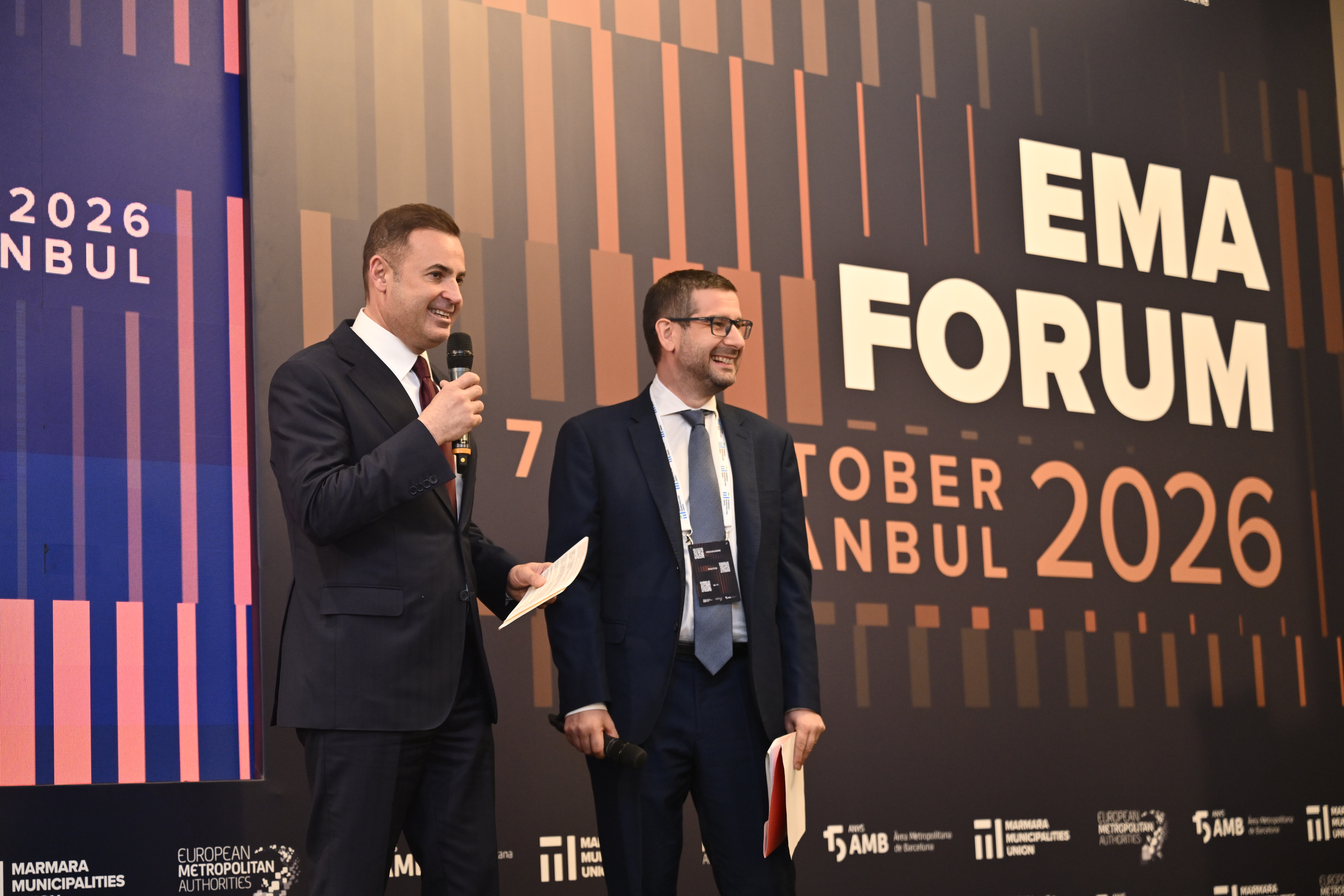
The main programme on 8 October opened with speeches by Ahmet Akın, President of Marmara Municipalities Union and Mayor of Balıkesir Metropolitan Municipality; Jordi Castellana i Gamisans, Vice President for International Relations and Digital Metropolis at the Barcelona Metropolitan Area; and Erfan Ali, Director of the Regional Office for Eastern Europe and Central Asia at UN-Habitat. Raffaele Fitto, Executive Vice President of the European Commission, and Themis Christophidou, Director-General of DG REGIO at the European Commission, also addressed the Forum through video messages.
Akın: “Metropolitan Areas Must Be Recognised as Strategic Actors in Policymaking”
In his opening remarks, Ahmet Akın emphasised that challenges extending beyond municipal boundaries, including transport, housing, infrastructure, water management and climate risks, require integrated planning and regional cooperation. Drawing on the metropolitan structure of the Marmara Region and MMU's work at the regional level, Akın stressed that metropolitan areas should be involved not only in implementing policies but also in their design and monitoring, particularly within the framework of the European Union's upcoming budget and Cohesion Policy.
Addressing the impacts of climate-driven water risks on urban infrastructure, economies and quality of life, Akın also highlighted the role of metropolitan governments in translating climate targets into concrete action in the lead-up to COP31, as well as the financing needed to support these efforts.
In his opening speech, Jordi Castellana outlined EMA's role since 2015 as a platform for dialogue and cooperation among metropolitan governments, European institutions and national governments. He emphasised the need to address challenges such as housing, transport, water management and environmental protection at the metropolitan scale, noting the importance of metropolitan governments' participation in discussions on the EU's Multiannual Financial Framework for 2028–2034 and Cohesion Policy.
Castellana also reviewed EMA's engagement with European institutions over the past year, including its work on affordable housing and the EU Agenda for Cities. He underlined the importance of strengthening cooperation among metropolitan areas facing shared challenges and developing a common political voice in European policymaking.
Addressing the Forum through a video message, Raffaele Fitto, Executive Vice President of the European Commission, referred to the importance of metropolitan areas for EU Cohesion Policy and the next European budget. Referring to challenges related to housing, mobility, demographic change and resilience, Fitto outlined ongoing work under the EU Agenda for Cities and preparations for the EU Cities Platform. He also addressed the post-2027 EU budget, emphasising the need to involve local and regional authorities in the preparation and implementation of national and regional investment and reform plans.
Themis Christophidou, Director-General of DG REGIO at the European Commission, also contributed through a video message, highlighting the role of cities in climate adaptation, competitiveness, digitalisation, mobility and social cohesion under the EU Agenda for Cities. She explained that the EU Cities Platform, planned for launch in 2028, would facilitate cities' access to funding instruments, technical assistance, capacity-building opportunities and strategic planning resources.
Christophidou also discussed the proposed national and regional partnership plans, which aim to bring reforms and investments together within a more integrated framework. She stressed that cities and metropolitan governments should participate not only in consultation processes but also in setting priorities during the preparation and implementation of these plans.
Erfan Ali, Director of the Regional Office for Eastern Europe and Central Asia at UN-Habitat, emphasised that challenges such as climate change, housing, transport and water management extend beyond administrative boundaries, requiring integrated governance and financing mechanisms at the metropolitan scale.
Highlighting the importance of translating urban climate commitments into concrete investments in the lead-up to COP31, Ali stressed that water resilience should be central to metropolitan climate policies. He also referred to the Sustainable Urban Resilience Financing Facility (SURFF) being developed in Türkiye, noting its potential to help cities turn climate priorities into implementable projects and connect them with financing opportunities.
Mayors Discussed the Future of Metropolitan Governance
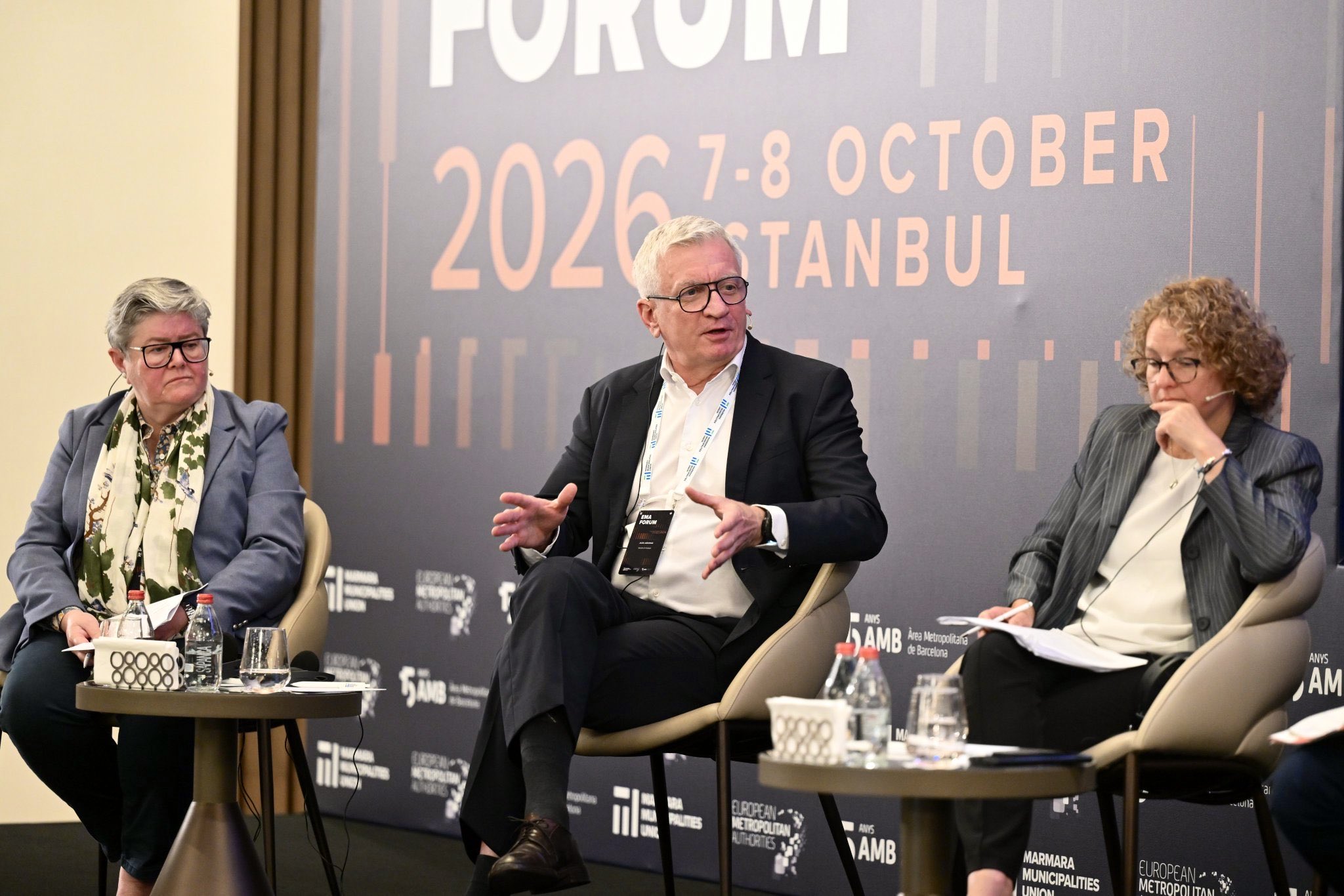
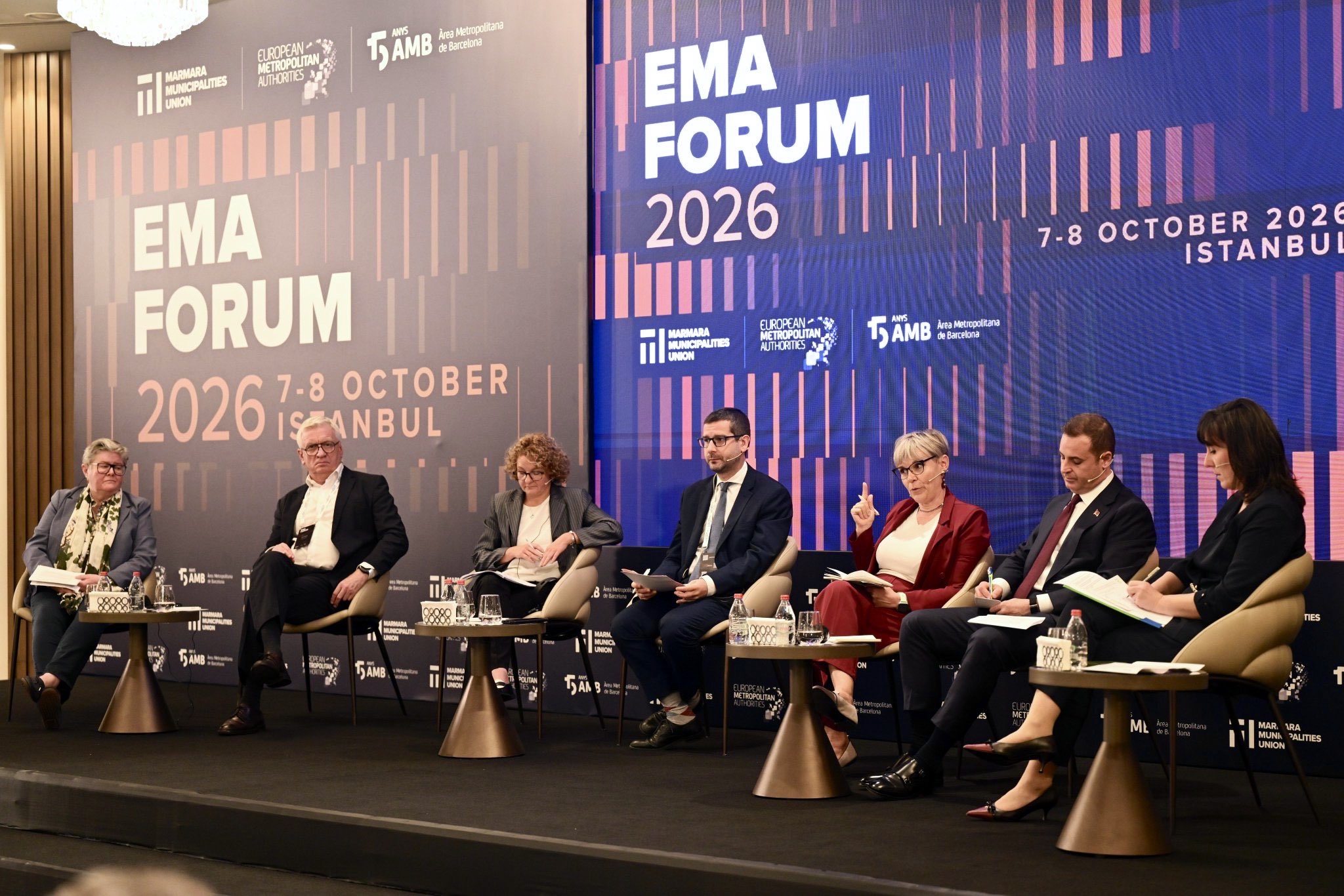
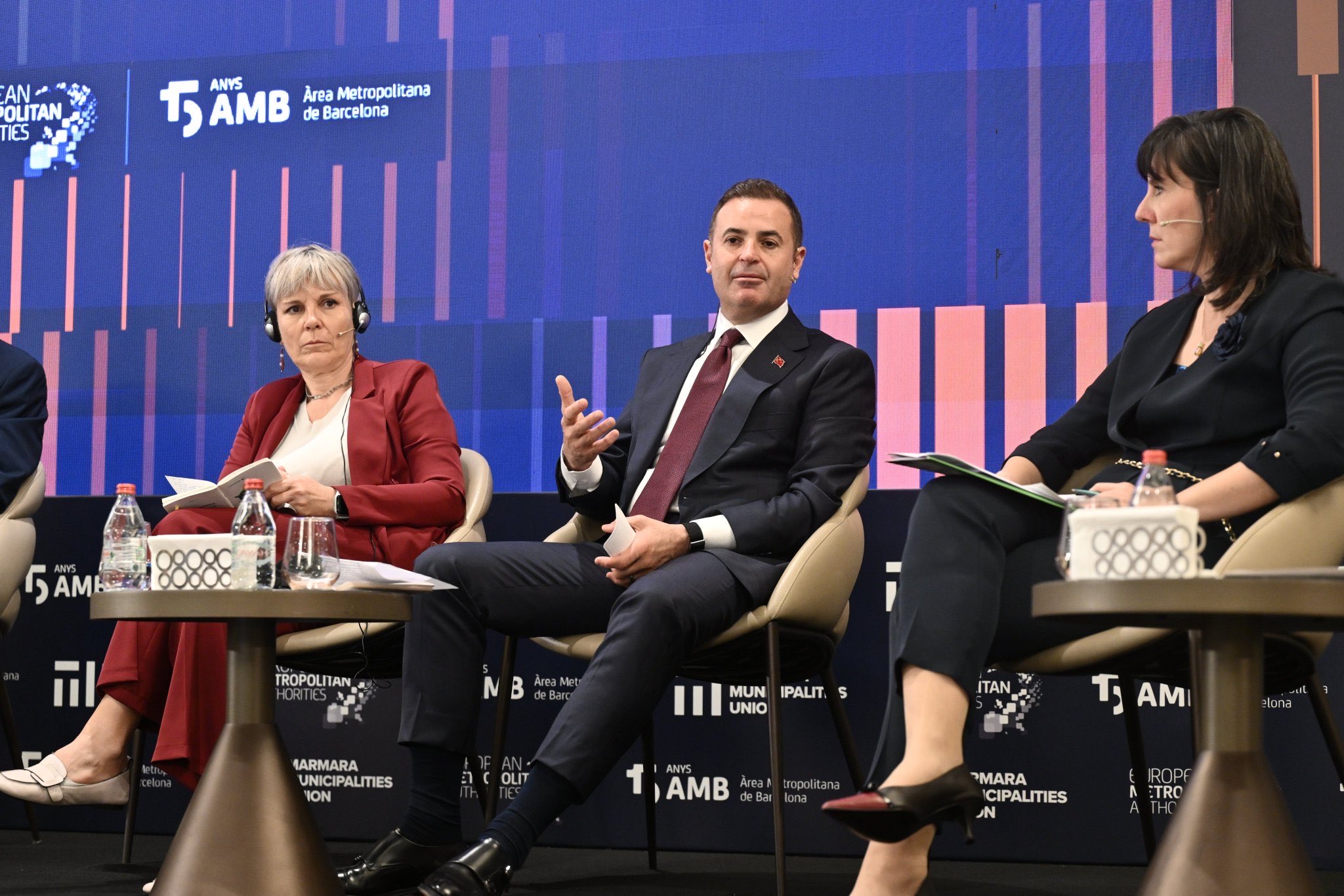
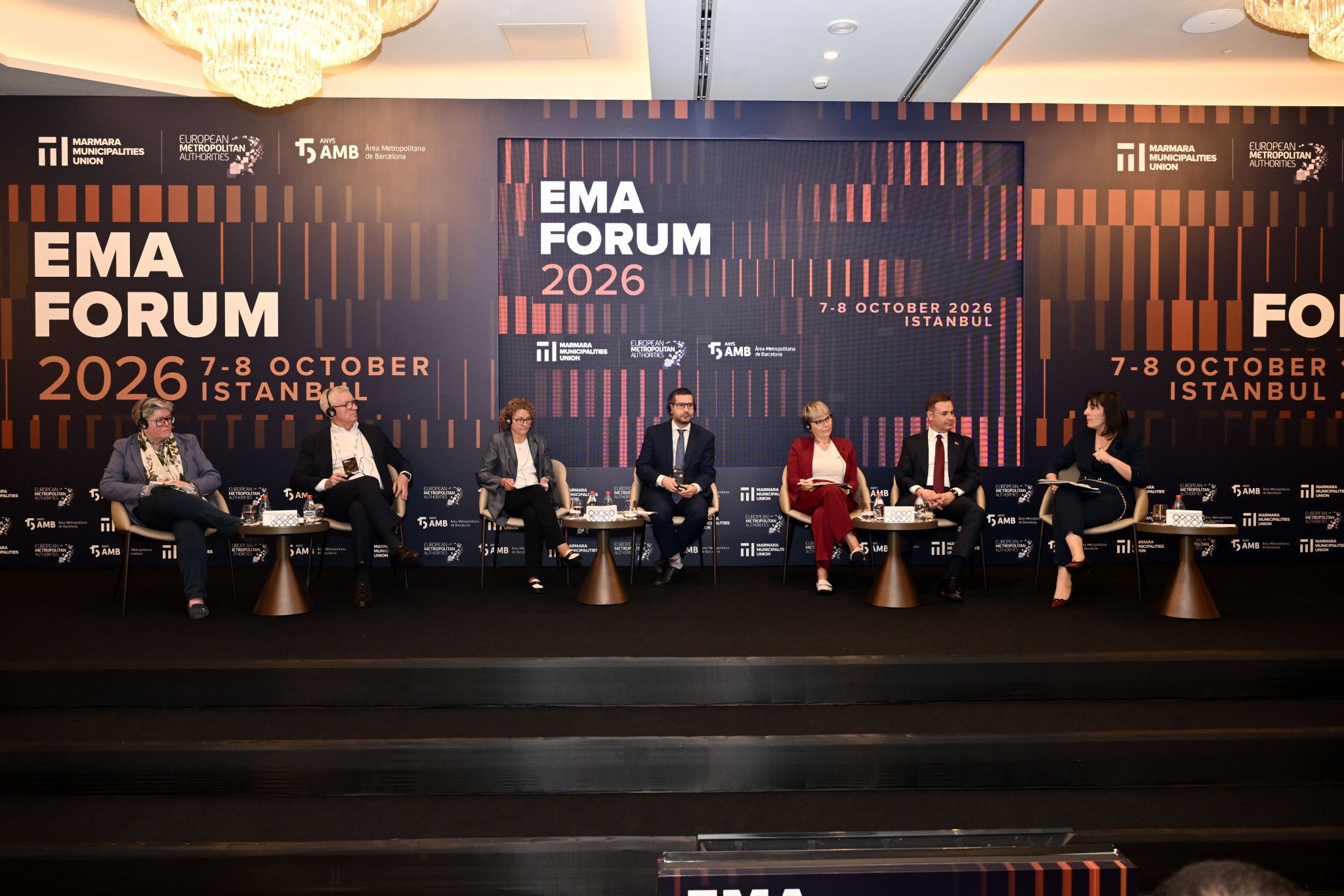
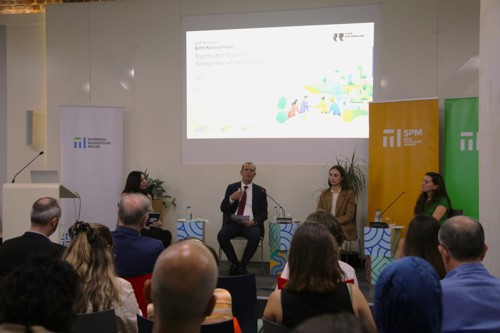
Following the opening speeches, the “Mayoral Panel | Metropolitan Governance in Practice: Coordination and Policy Innovation for Resilient Futures” was moderated by Professor Nihal Eminoğlu from Ankara University.
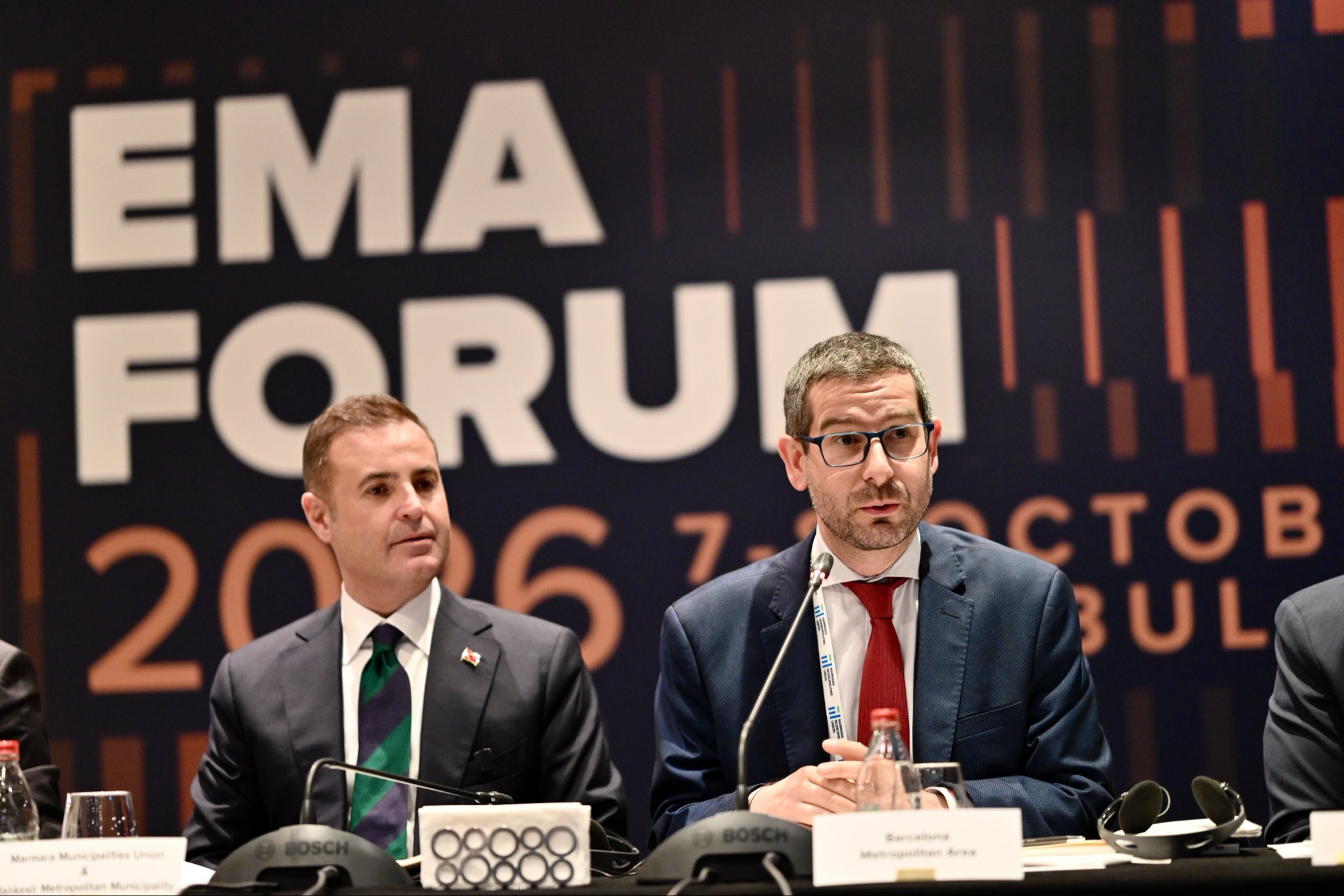
The panel brought together Ahmet Akın, President of Marmara Municipalities Union and Mayor of Balıkesir Metropolitan Municipality; Sonia Cambursano, Mayor of Strambino and Councilwoman of the Metropolitan City of Turin; Jordi Castellana i Gamisans, Vice President for International Relations and Digital Metropolis at the Barcelona Metropolitan Area; Magdalena Czarzyńska-Jachim, Mayor of Sopot; Jacek Jaśkowiak, Mayor of Poznań; and Anette Marie Solli, Governing Mayor of Akershus County.
Discussions focused on the role of metropolitan governments in addressing shared challenges, strengthening coordination among municipalities and developing innovative policies. Participants highlighted the importance of integrated planning and cooperation in responding to challenges that extend beyond municipal boundaries, including climate change, water management, transport and infrastructure.
The panel also underlined that metropolitan governments should be recognised not only as service providers but also as strategic actors with an active role in national and international policymaking.
EMA 2026 Political Declaration Signed
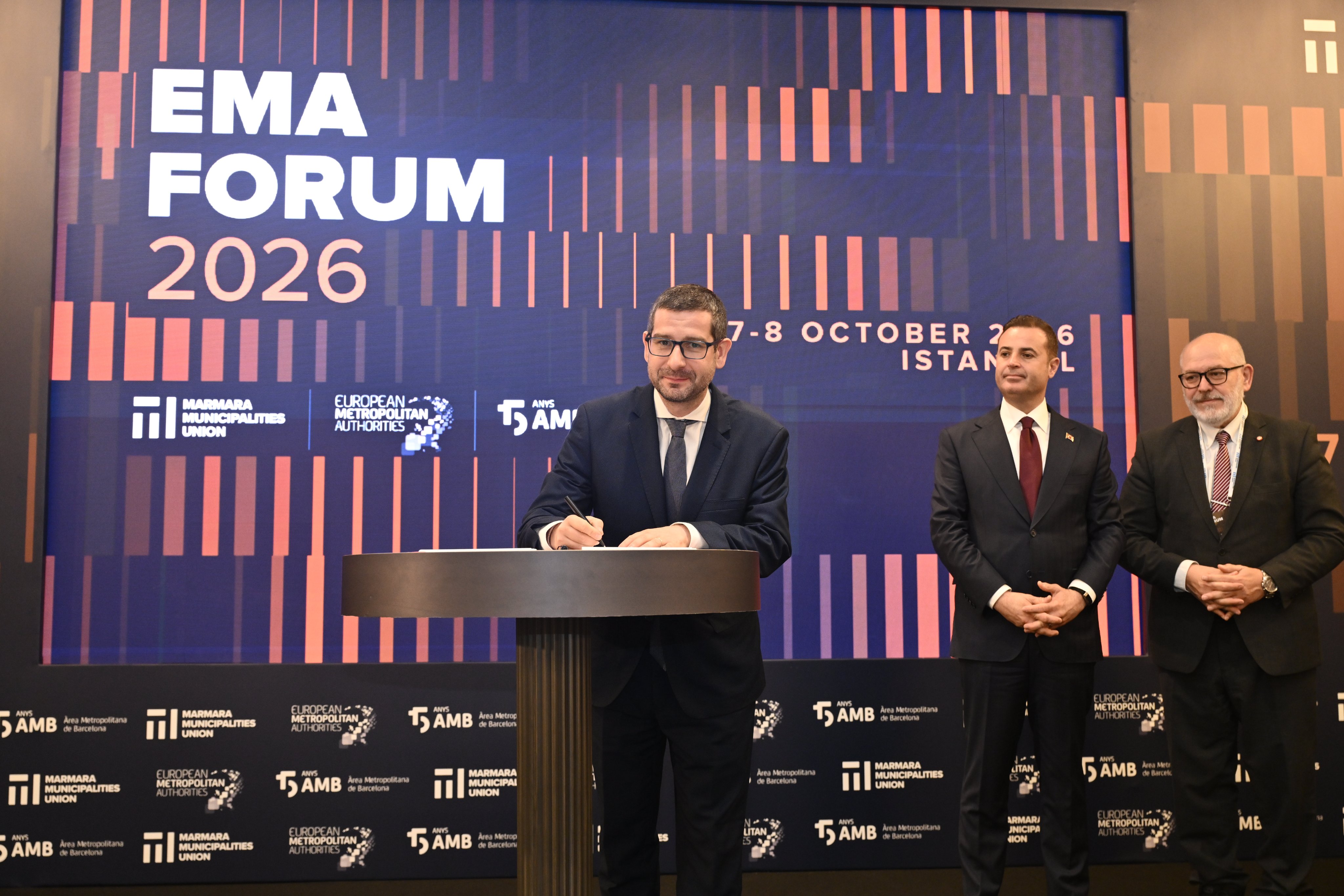
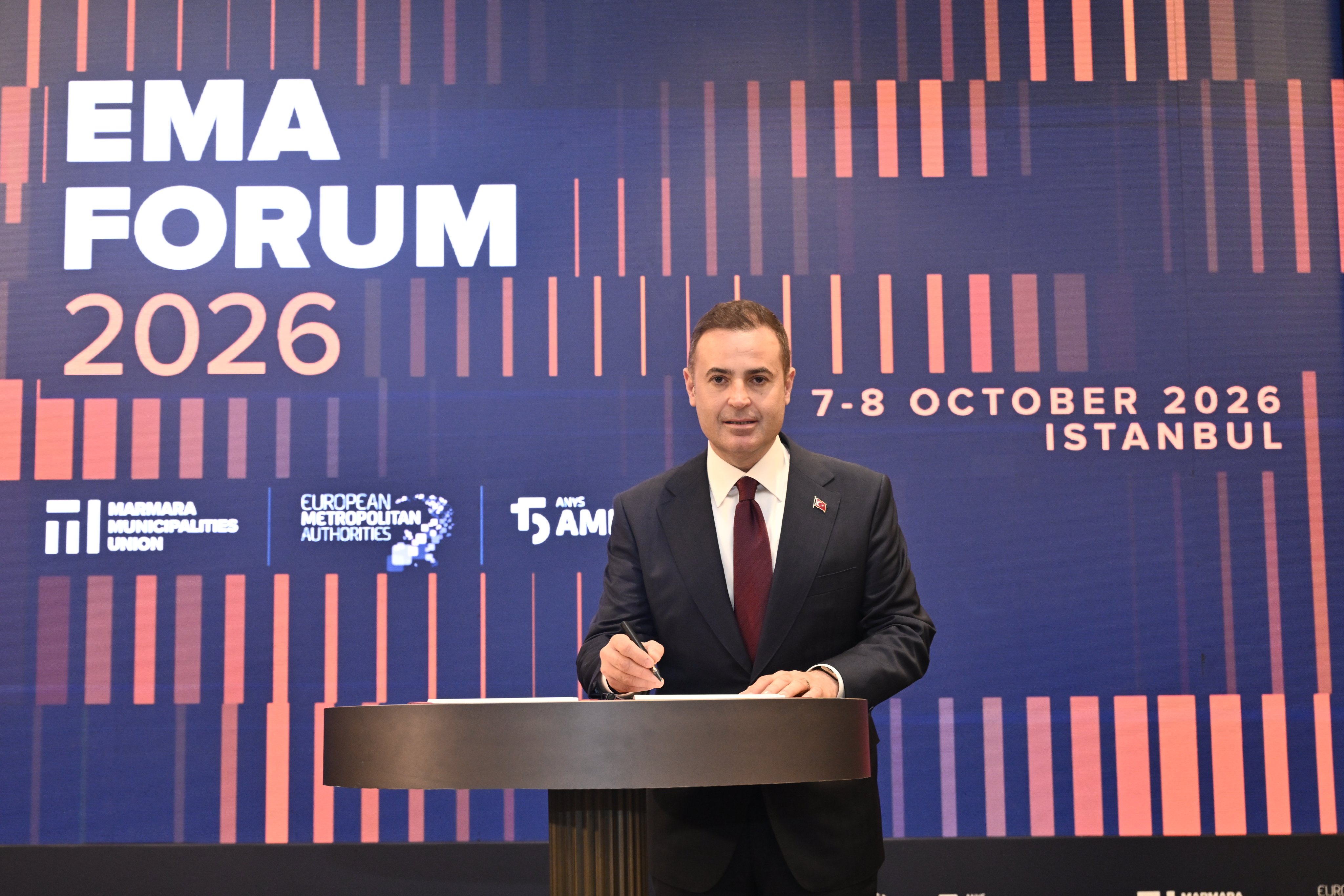
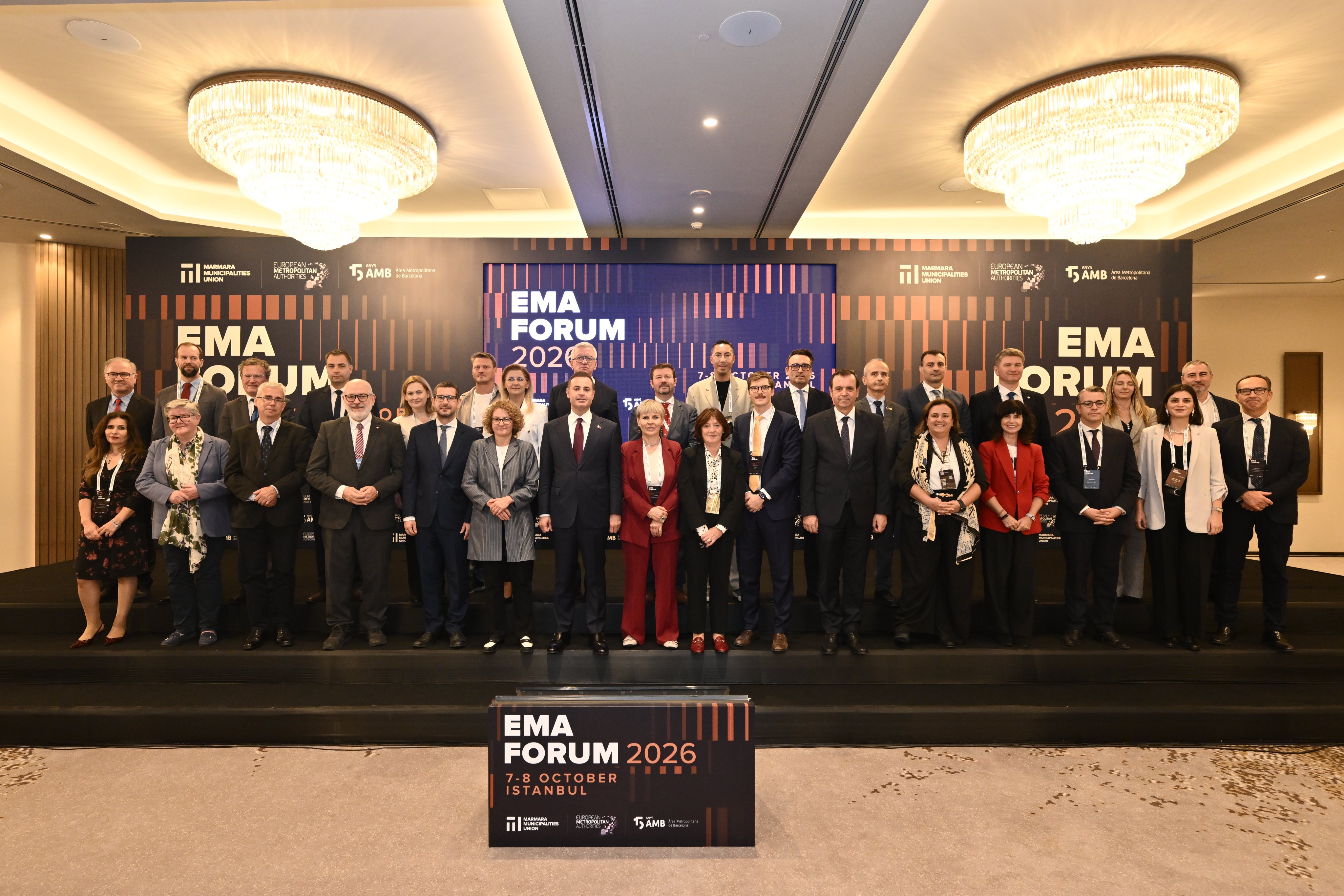
The EMA 2026 Political Declaration, setting out the shared priorities and agenda of metropolitan areas across Europe, was signed during the Forum.
The Declaration established a common approach to strengthening the role of metropolitan areas in European policymaking and future financing mechanisms, promoting collective action in response to climate-driven water risks, and advancing cooperation at the metropolitan scale.
Metropolitan Experiences Shared Across Three Parallel Roundtables
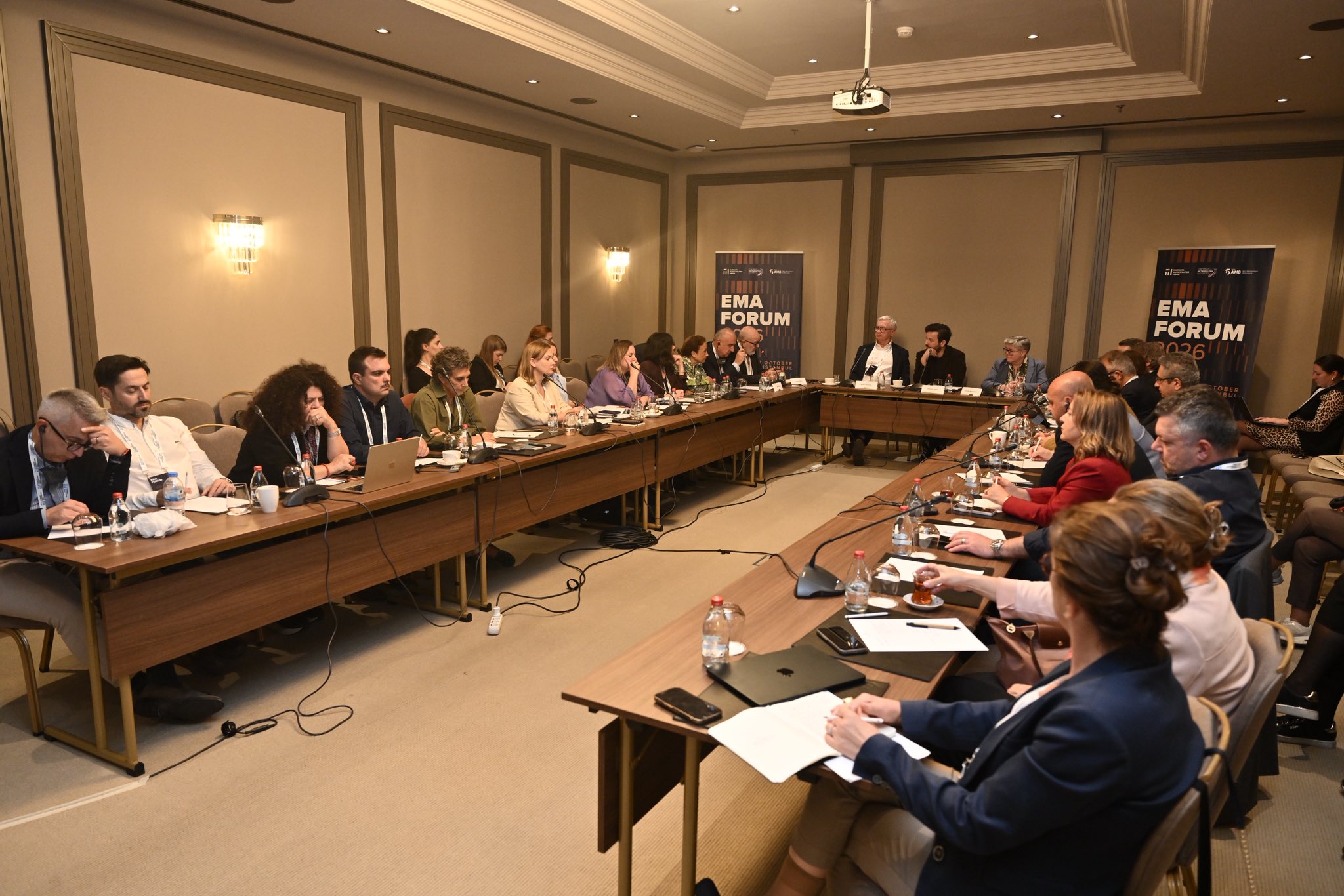
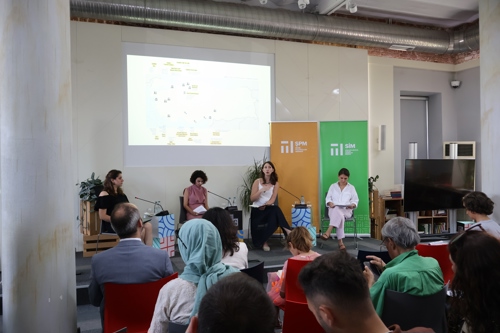
EMA Forum 2026 featured three parallel interactive roundtables exploring different dimensions of metropolitan governance and cooperation.
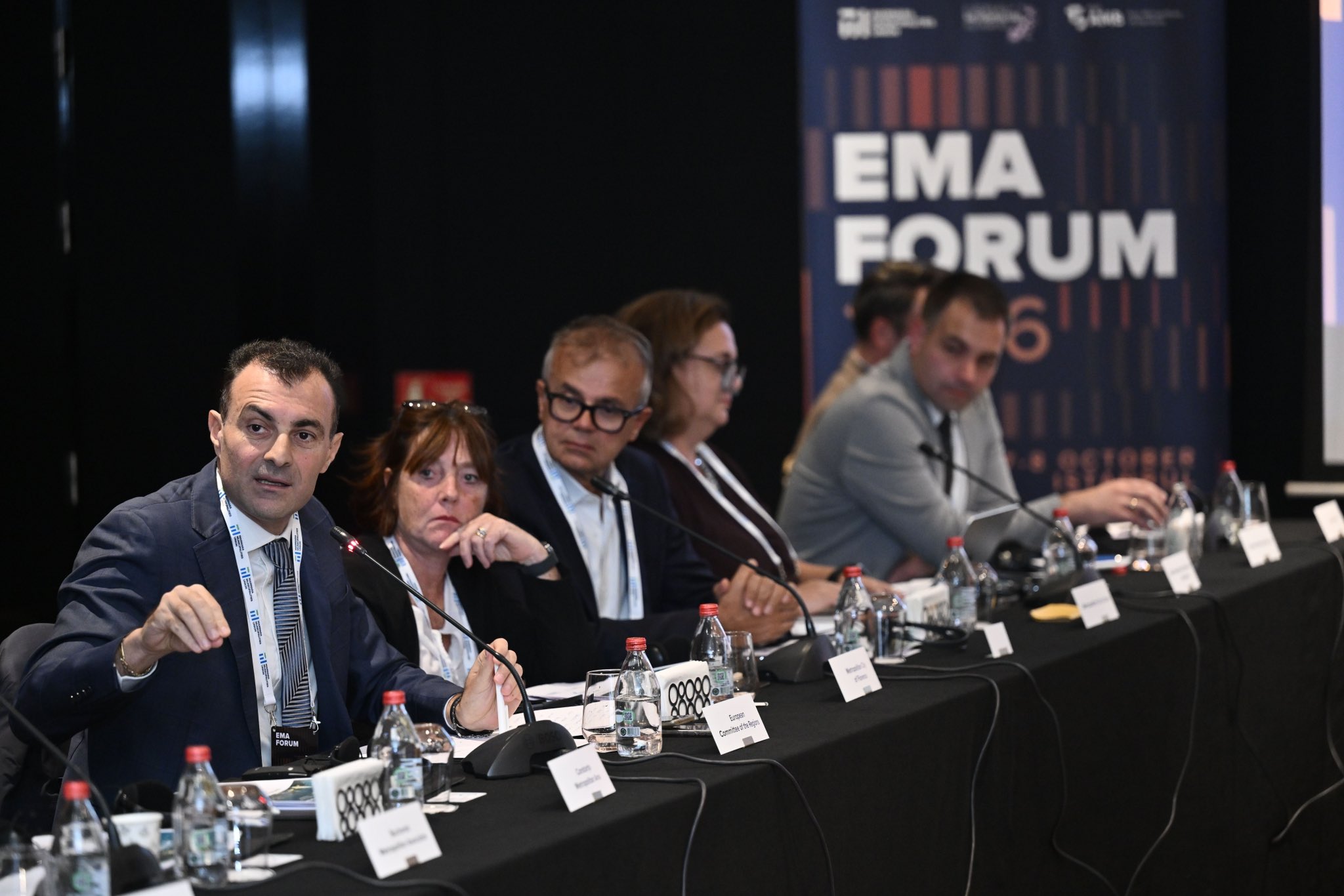
The first roundtable, “Water Under Pressure: Integrated Metropolitan Responses to Climate Challenges,” was moderated by Vasilis Latinos and featured Jacek Jaśkowiak, Anette Marie Solli, Omar Al-Rawi, Alessandra Innocenti and Pierluigi Sanna as panellists. Şafak Başa, Director General of the Istanbul Water and Sewerage Administration (İSKİ), also contributed to the roundtable by sharing insights into Istanbul’s water infrastructure. Participants explored integrated metropolitan responses to climate-driven water risks, focusing on approaches that connect water management, spatial planning, infrastructure investment and climate adaptation.
The second roundtable, “Metropolitan Roadmaps for Digital and Climate Transitions: Insights from the MICAD Project,” was moderated by Adriana Witkowska, with the participation of Jordi Castellana and Prof. Ayşen Erdinçler, Head of Environmental Protection and Development Department at Istanbul Metropolitan Municipality. The discussion explored how metropolitan areas can advance fair and inclusive digital and climate transitions, drawing on experiences from the MICAD Project.
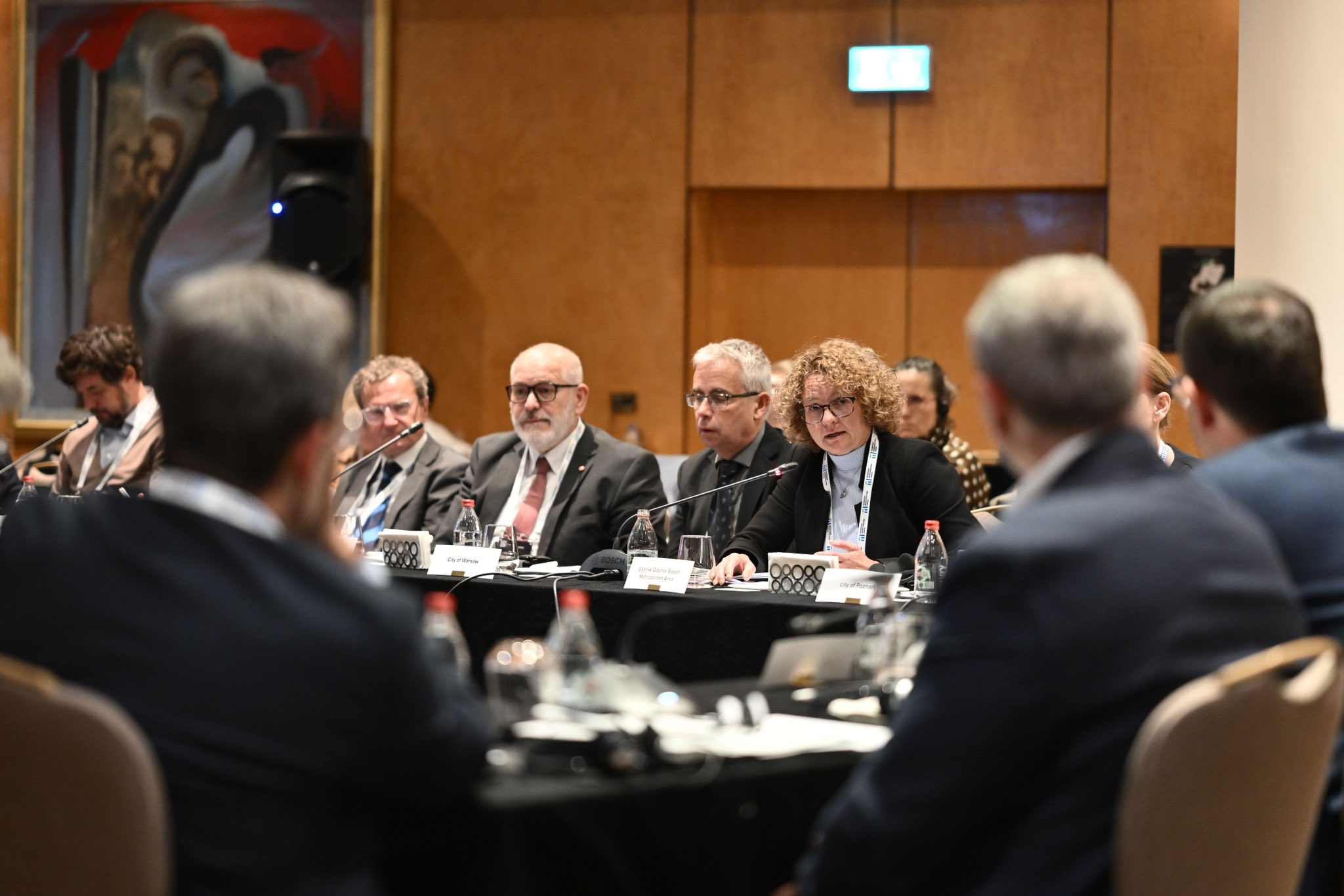
The third roundtable, “Metropolitan Areas Strengthening Governance and Shaping the European Policy: Insights from the Metro Case Project,” was moderated by the Metropolitan City of Genoa and brought together Magdalena Czarzyńska-Jachim, Sonia Cambursano, Marco Griguolo, Rainer Gessler and Māris Sprindžuks. Participants examined ways to strengthen metropolitan governance and enhance the role of metropolitan areas in shaping European policies.
EMA Forum 2026 Concluded with a Call for a Shared Metropolitan Agenda
The Forum concluded with reflections on the day's discussions and experiences shared by representatives of metropolitan areas across Europe.
In his closing remarks, Ahmet Akın emphasised the importance of recognising the strategic role of metropolitan areas at the international level, ensuring their active participation in decision-making and implementation processes, and developing financing models that respond to metropolitan needs.
Jordi Castellana reflected on discussions concerning water scarcity, the economic, social and environmental impacts of climate change, and the European Union's new Multiannual Financial Framework. Emphasising the importance of metropolitan governance in addressing shared challenges and delivering quality public services to citizens, Castellana called for continued cooperation and joint efforts among metropolitan areas.
EMA Forum 2026 concluded with the shared aspiration that the dialogue established during the Forum would lead to new partnerships, fresh ideas and concrete action in cities.