

"Urban Talks Towards COP31" Series Concludes the First Session Titled "Where Do Cities Stand in the Global Climate Agenda?"
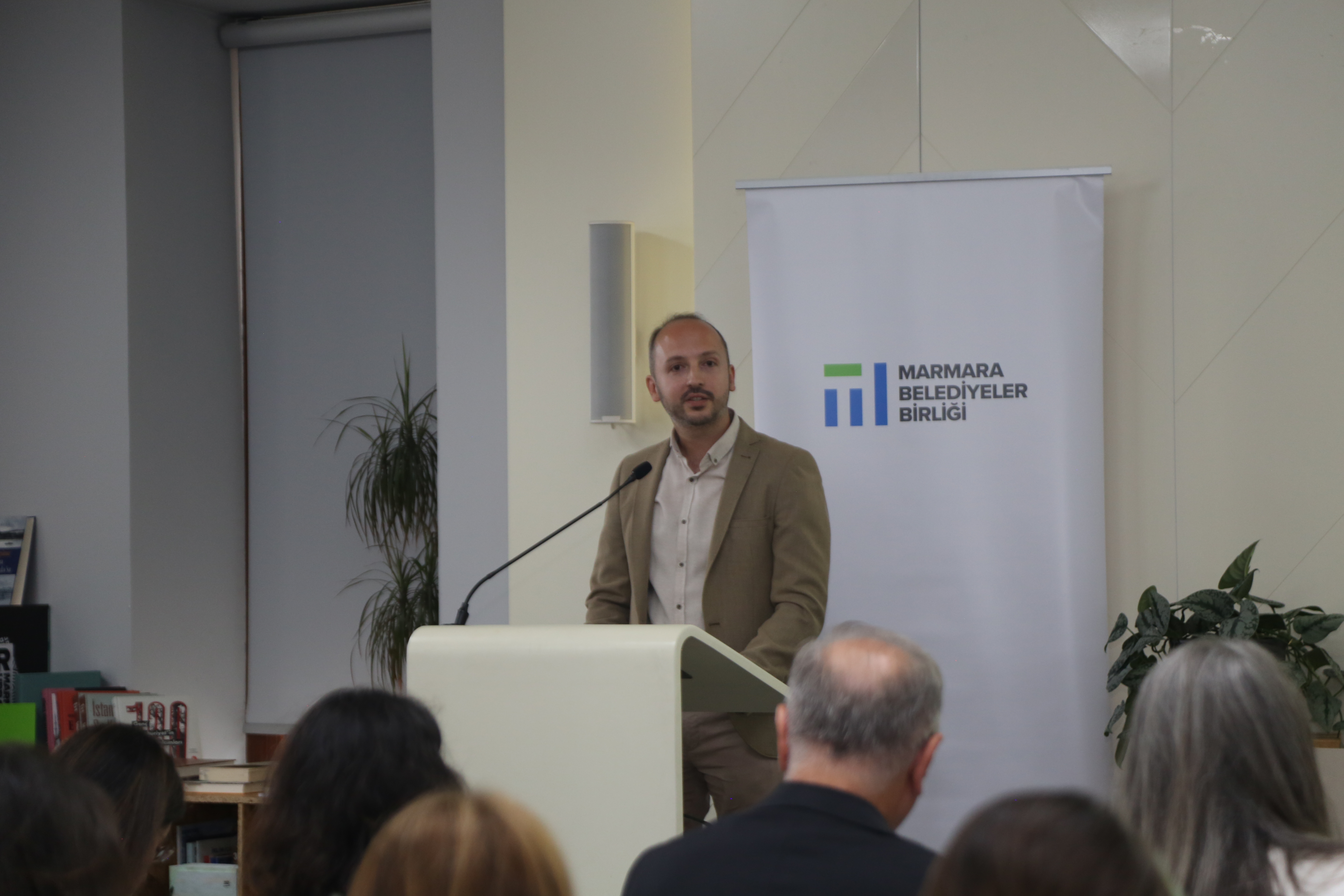
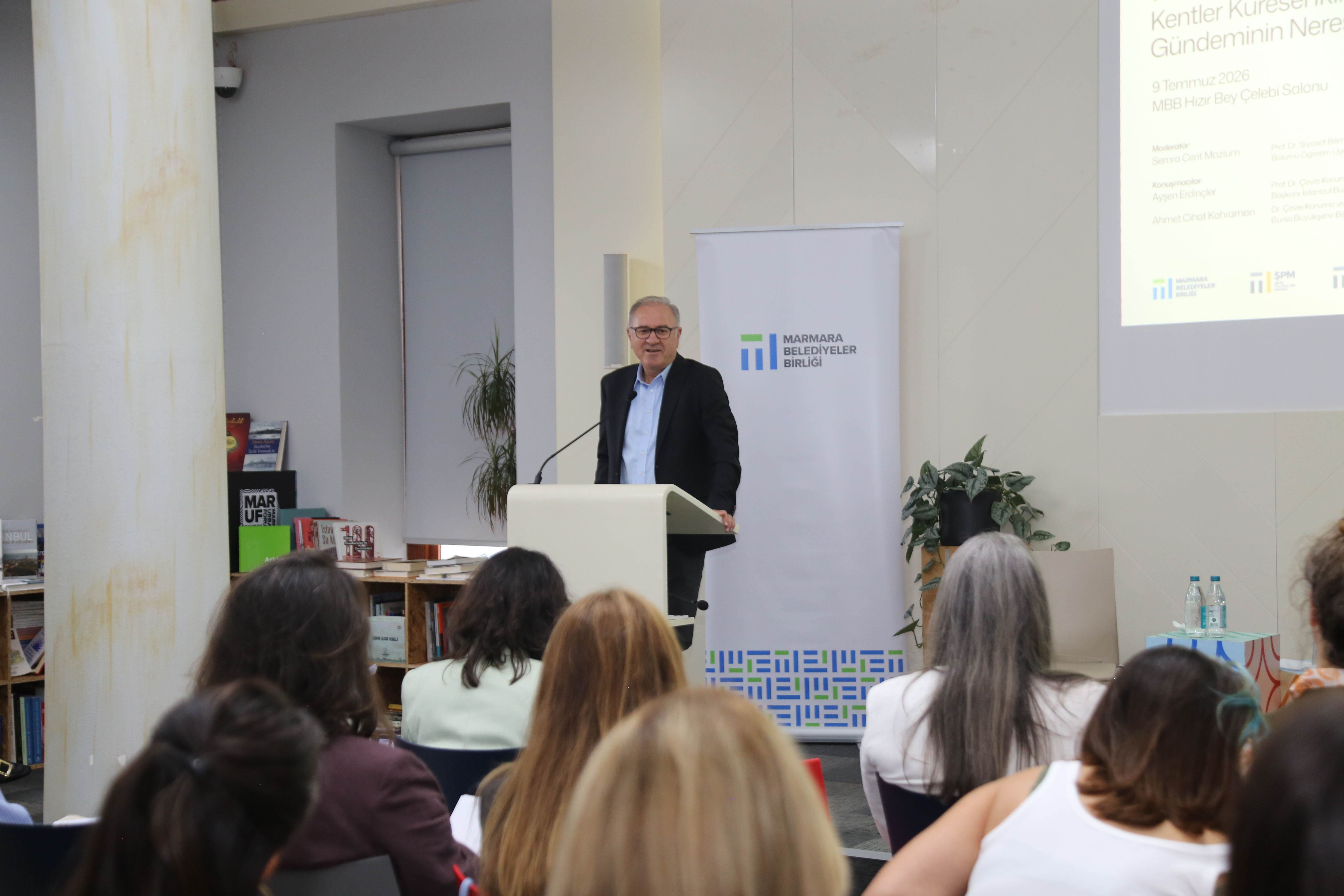
In opening remarks, M. Cemil Arslan, MMU Secretary General, emphasized the strategic role of local governments in climate action, noting that climate action and knowledge-generation are shared responsibilities across central government, local governments, universities, and civil society, and underlined the critical importance of multi-level governance.
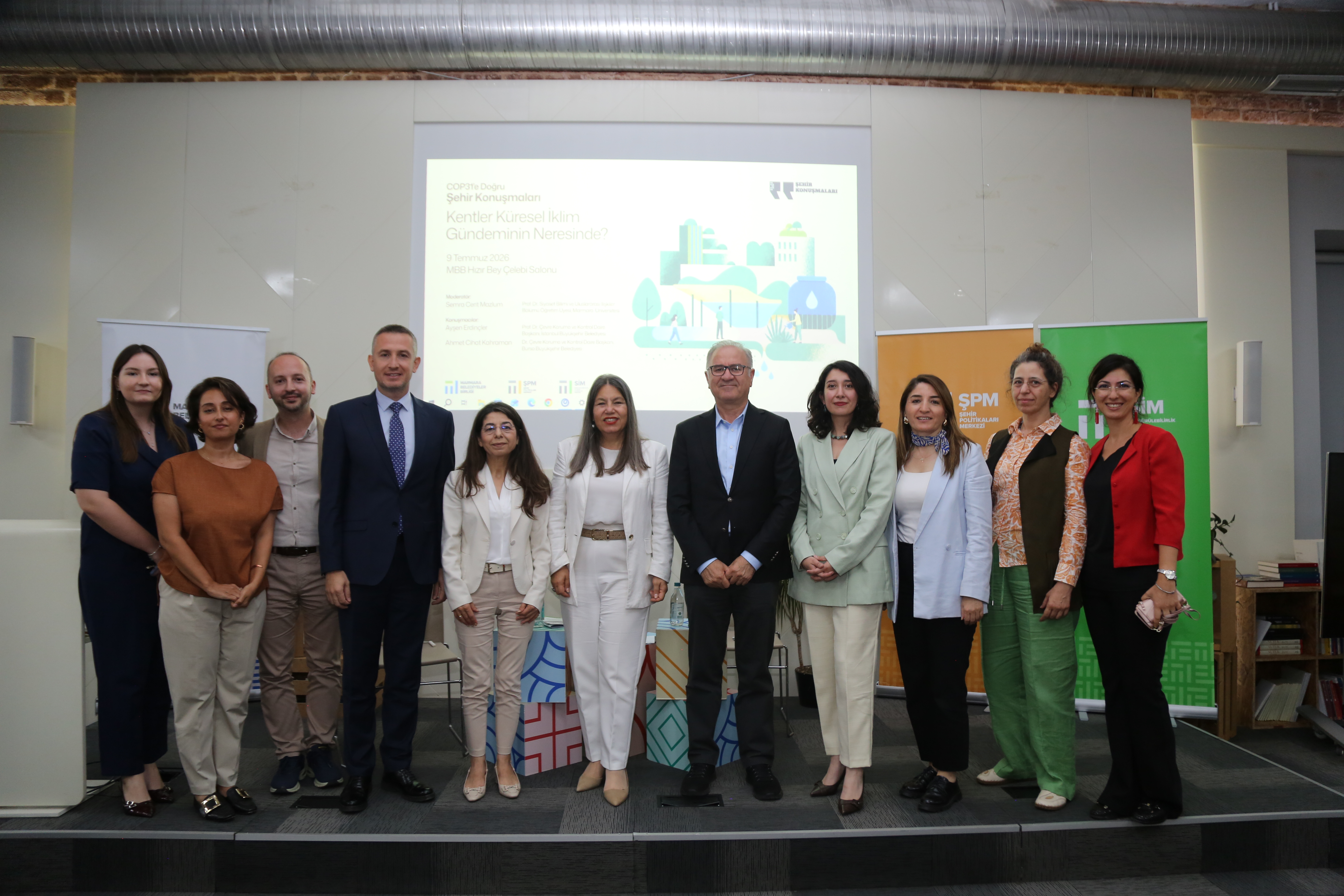
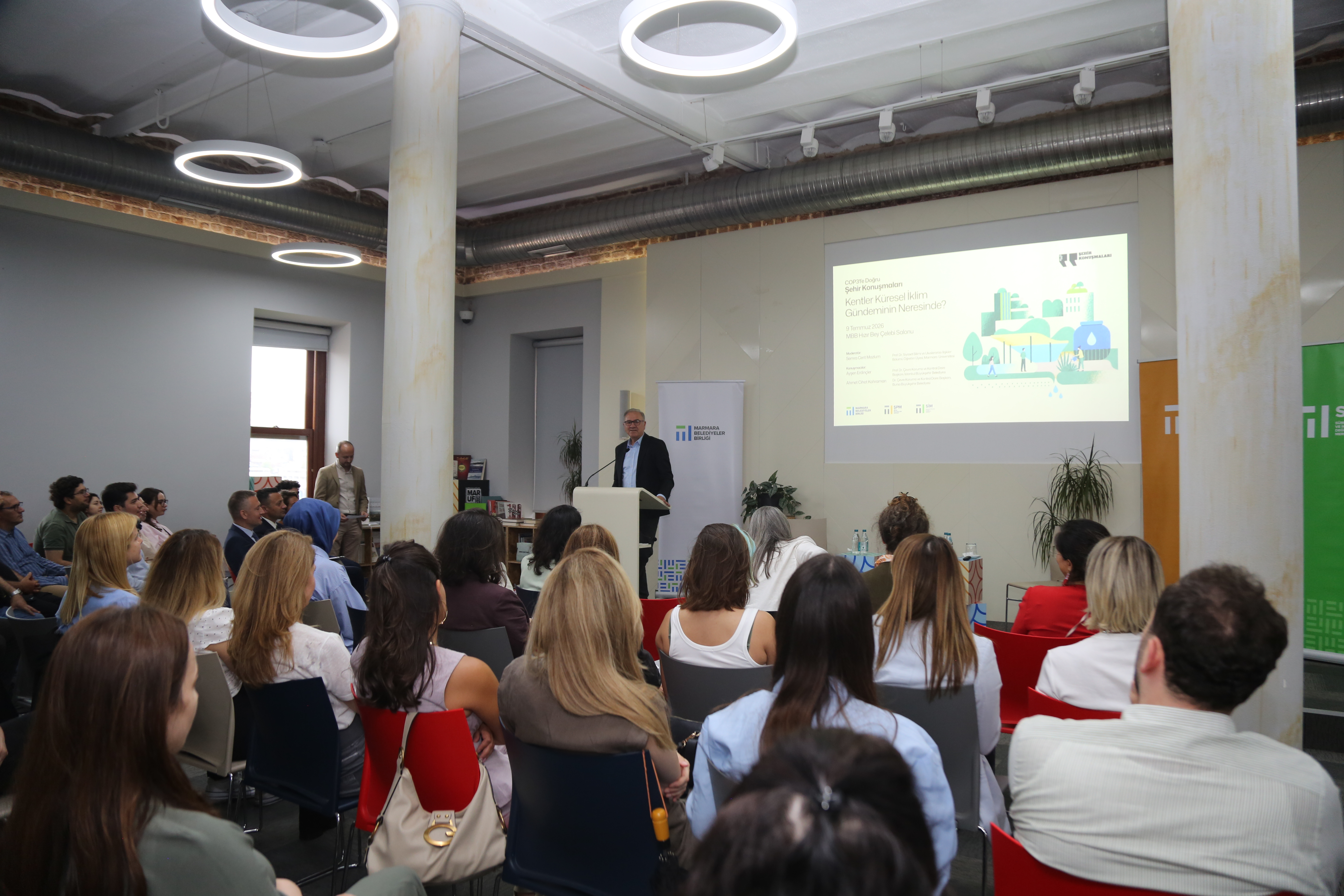
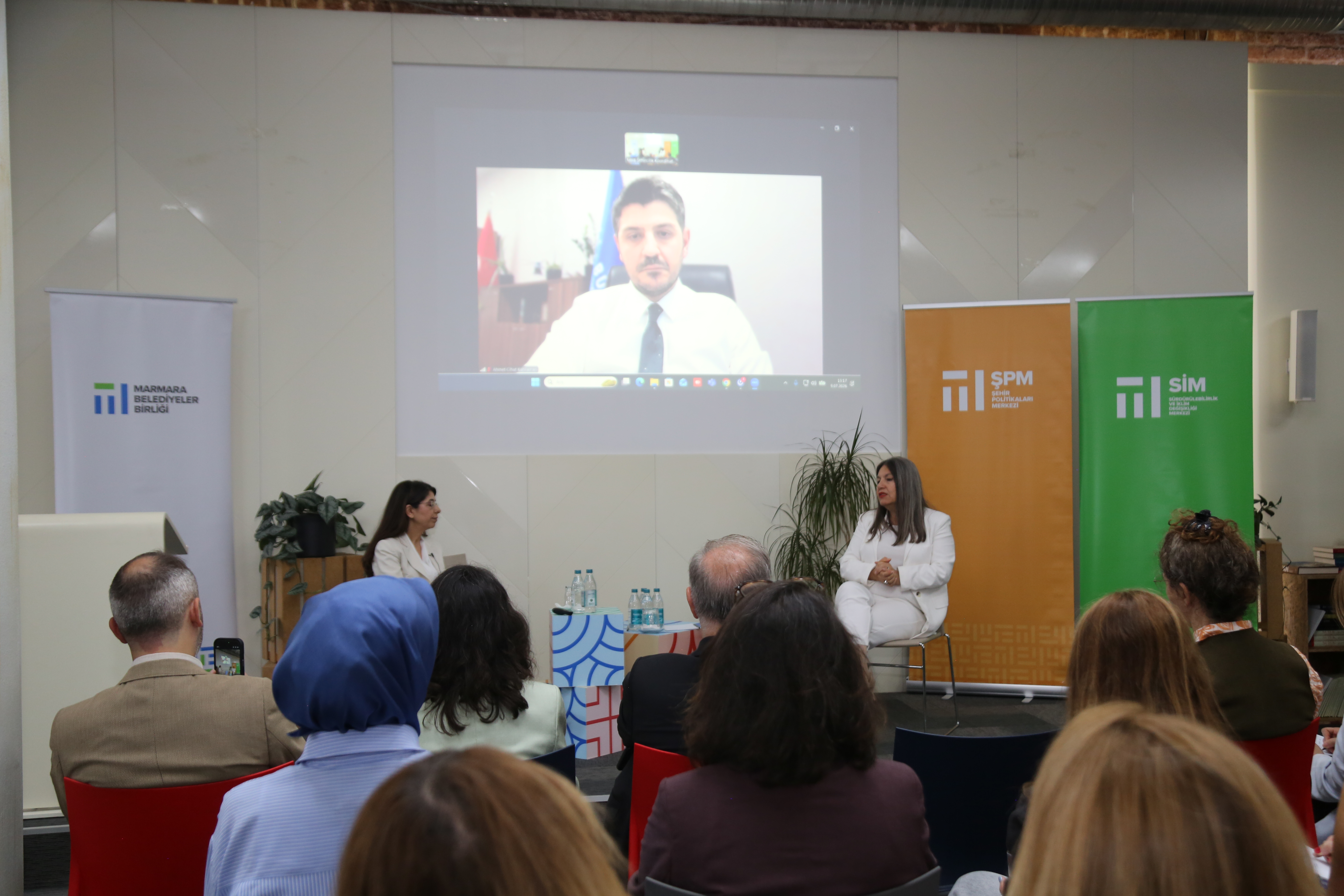
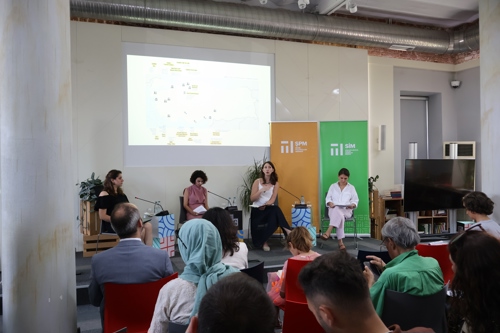
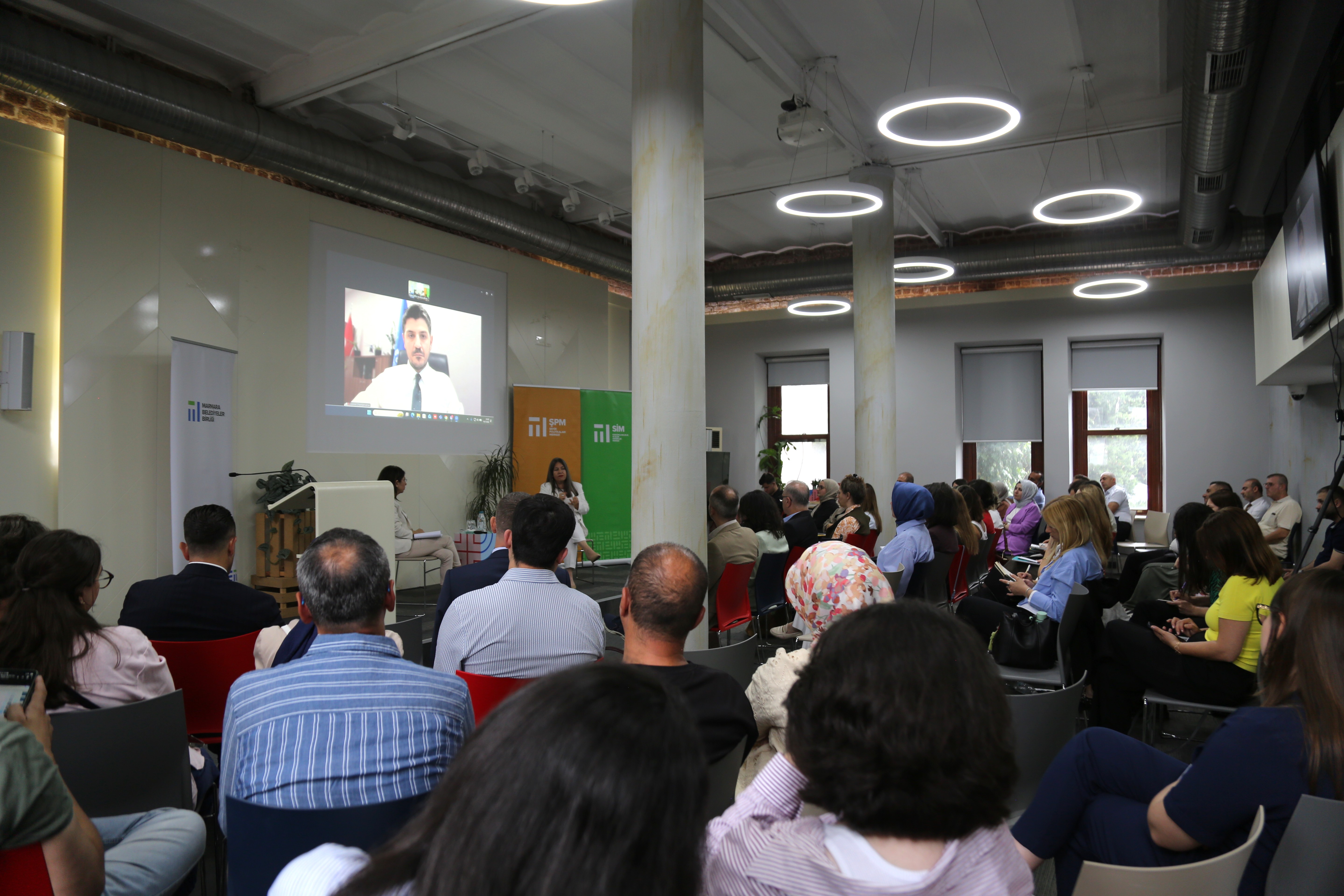
Aligning with the key focus areas of the COP31 action agenda, the first session of the "Urban Talks Towards COP31" series brought together experts from diverse disciplines to address topics such as urban adaptation capacity to climate change, climate finance, just transition, the role of youth in climate governance, resilient health systems, circular economy and waste management. The discussions focused particularly on the pivotal role of the United Nations Climate Change Conferences of the Parties (COP) in global climate governance.
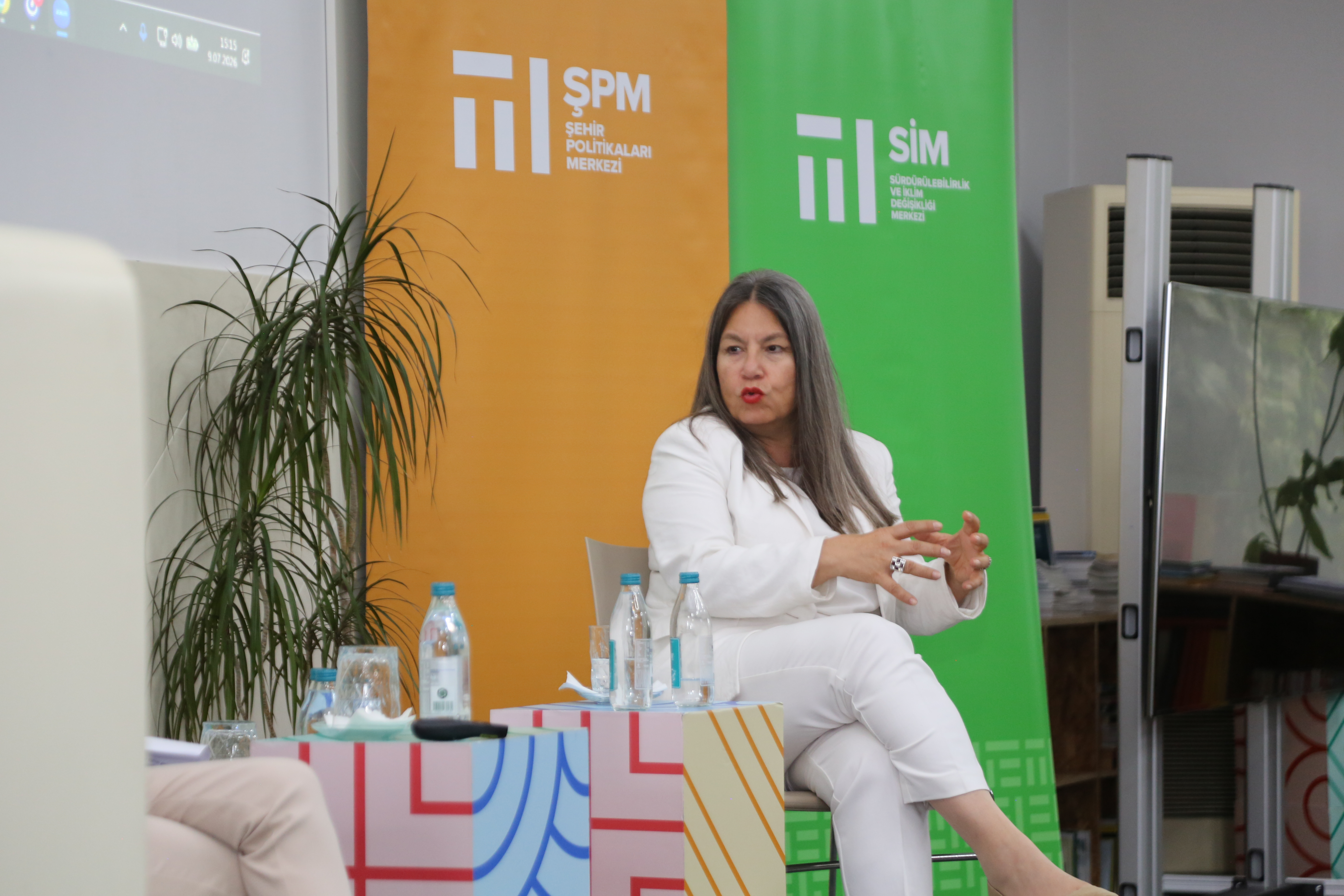
Focusing on the role of the cities in implementing global commitments at the local level, the importance of local climate action, and the relationship between the international climate agenda and the areas of implementation for municipalities, Prof. Semra Cerit Mazlum from Marmara University's Department of Political Science and International Relations, drew attention to the historical evolution of the United Nations Framework Convention on Climate Change (UNFCCC) Conference of the Parties (COP) and the unique significance of COP31, which will be hosted by Türkiye.
Summarizing the shift in climate diplomacy, Prof. Semra Cerit Mazlum noted that traditional multilateral diplomatic structure is giving way to a more flexible, plurilateral structure. Mazlum emphasized that COP31 carries the character of a "Mega COP" that will determine how effectively global climate policies are implemented on the ground. Touching on the importance of global urban climate networks, Mazlum referenced the "Global Mutirão" decision adopted at COP30, which promotes multi-level climate action. Mazlum further underlined the importance of local governments in just transition processes and the necessity of facilitating their access to climate finance, pointing to the CHAMP (Coalition for High Ambition Multilevel Partnerships) initiative, of which Türkiye is also a member, as a critical coalition for integrating the priorities of local governments into national plans.
Prof. Ayşen Erdinçler, Head of the Department of Environmental Protection and Control at Istanbul Metropolitan Municipality, evaluated the role of local governments in climate action through concrete data and examples from Istanbul. Drawing attention to the significant share of cities in emissions production, Erdinçler shared Istanbul's current greenhouse gas inventory data with participants. In this context, Erdinçler stated that per capita greenhouse gas emissions in Istanbul stand at 3.1 tons of CO₂ equivalent, with energy sector holding the largest share at 64%, followed by transportation sector at rates ranging between 27% and 31% depending on the year, while the waste management sector contributes between 4% and 9%. Emphasizing the importance of multi-level governance in achieving climate change adaptation and greenhouse gas reduction targets, Prof. Erdinçler stated that emissions could be significantly reduced through the institutionalization of recycling and zero-waste practices. Erdinçler, added that this transformation could only be achieved through a multi-stakeholder governance mechanism encompassing central government, local government, and civil society actors.
Dr. Ahmet Cihat Kahraman, Head of Environmental Protection and Control Department at Bursa Metropolitan Municipality, emphasized the growing influence of cities in climate governance ahead of COP31. Referring to the "Climate Emergency, Urban Opportunity" report, Kahraman stated that roughly 28% of the total greenhouse gas emission reductions needed in cities can be achieved directly through policies within local governments' areas of authority and responsibility, such as zoning, local transportation, and waste management. Kahraman added that, through strong collaborations and multi-level partnerships involving central governments, private sector, and other stakeholders can improve the cities' contribution to global greenhouse gas emission reductions up to 40%. Noting that putting announced climate commitments into practices in cities would make a significant contribution to keeping the global temperature rise within the 1.5°C limit, Kahraman highlighted that the climate crisis is no longer a future risk scenario, but a present reality requiring urgent and multi-level governance.
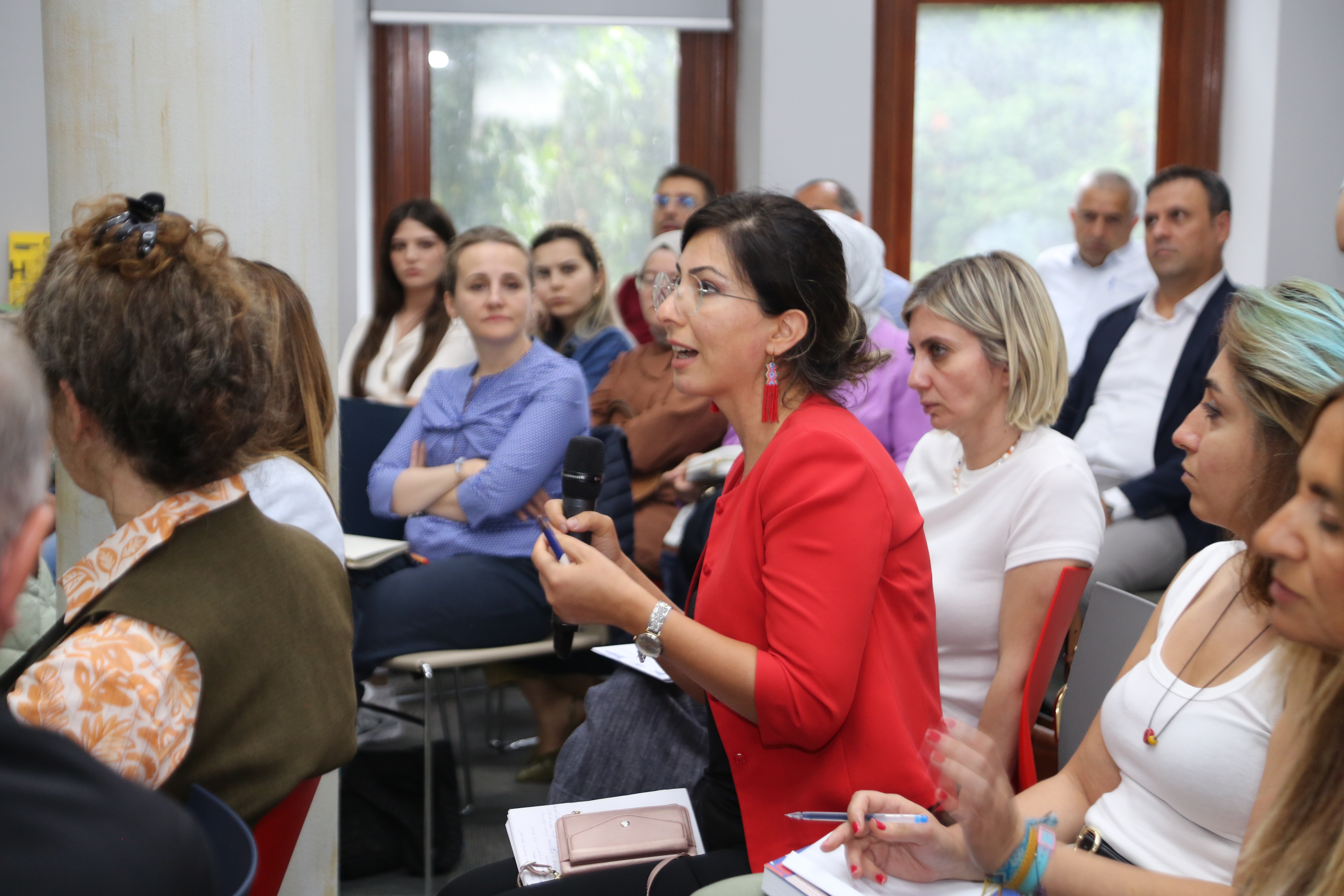
The session underscored that access to financial mechanisms is vital for cities to transform climate commitments into projects, emphasizing the importance of platforms for collective learning and production, and the development of joint solutions to enhance urban climate resilience. It was noted that in a period offering a key opportunity to accelerate urban climate transformation, cities need to be at the center of the climate agenda.