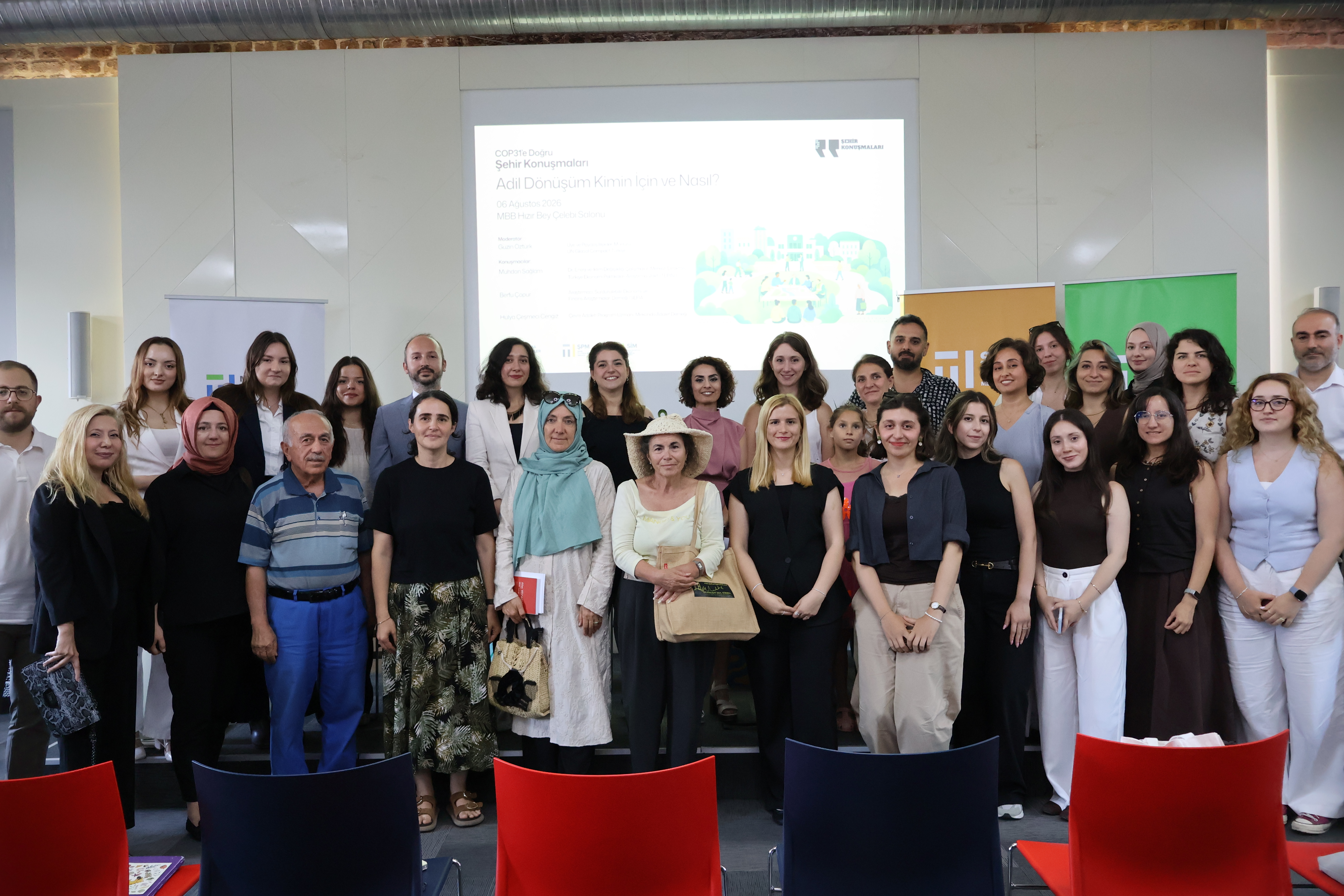
"Urban Talks Towards COP31" Series Concludes Its Third Session Titled "A Just Transition: For Whom and How?"
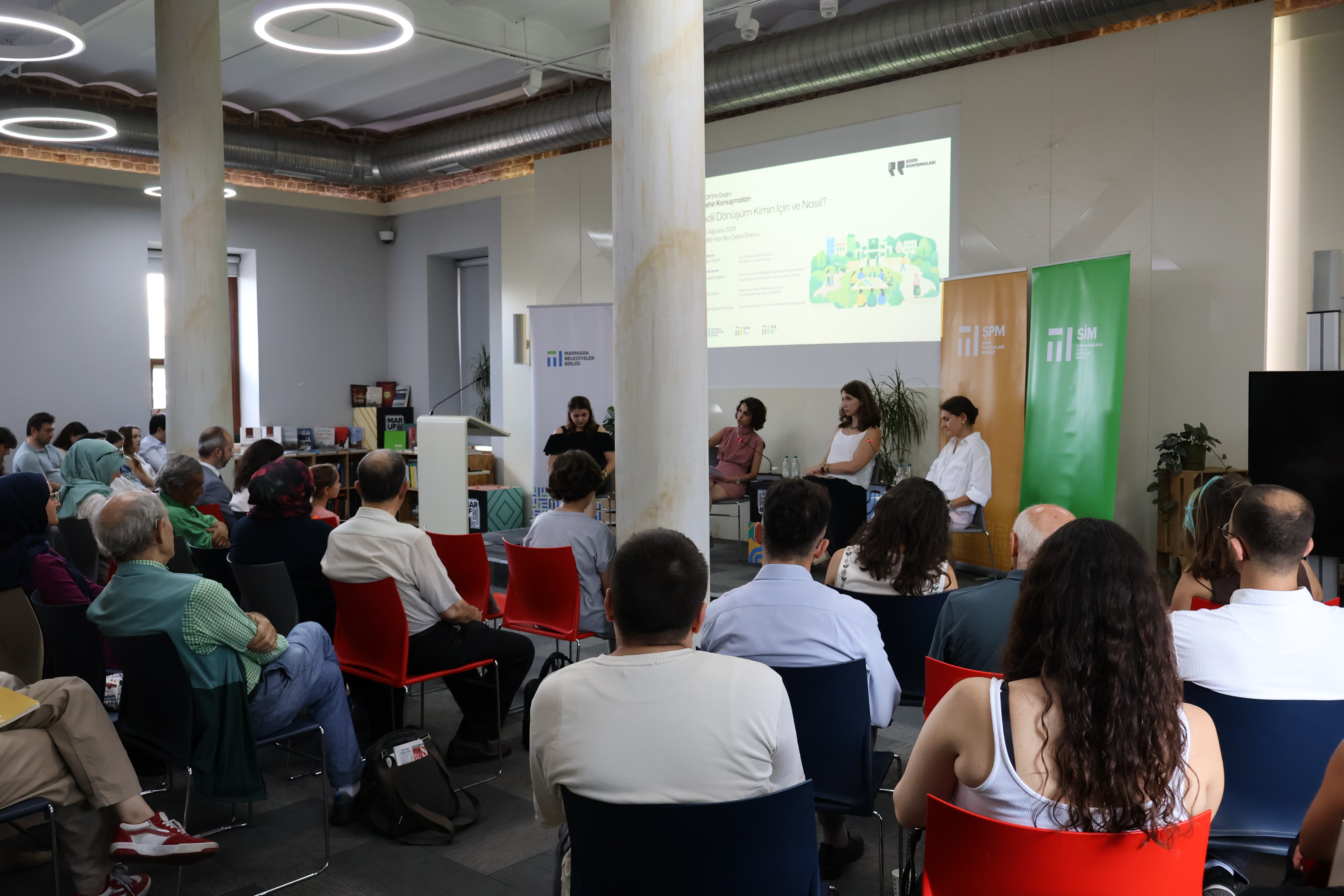
Developed in line with the priorities of the COP31 Action Agenda, the third session of the "Urban Talks Towards COP31" examined the economic, social and governance dimensions of a just transition from different perspectives. Discussions focused on how climate policies affect different segments of society, the inequalities that may emerge during the transition and the importance of participation in decision-making. The speakers also addressed the implications of the transition away from fossil fuels and towards a low-carbon economy for employment and local development, alongside energy poverty, workforce transition, social protection and support for vulnerable groups.
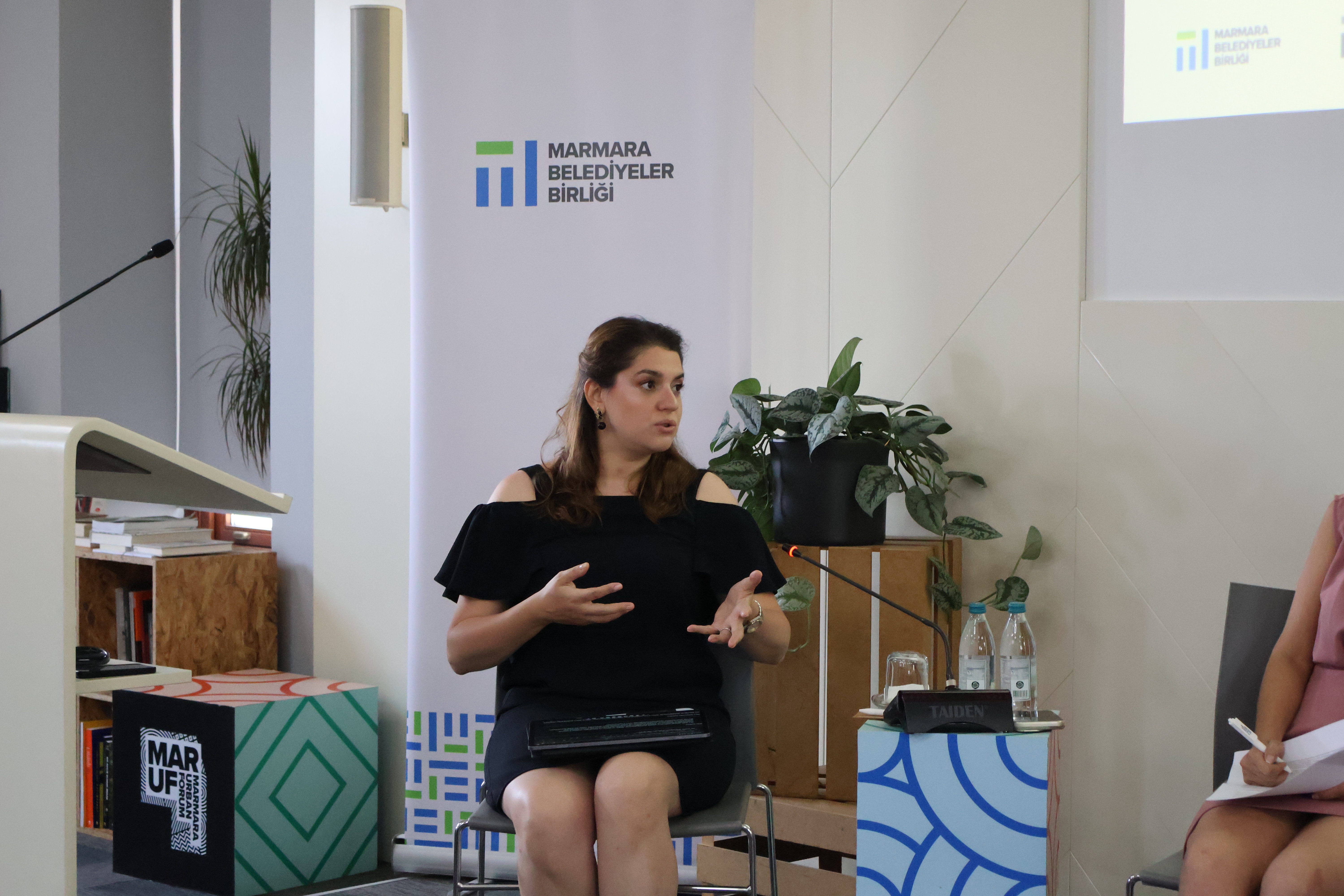
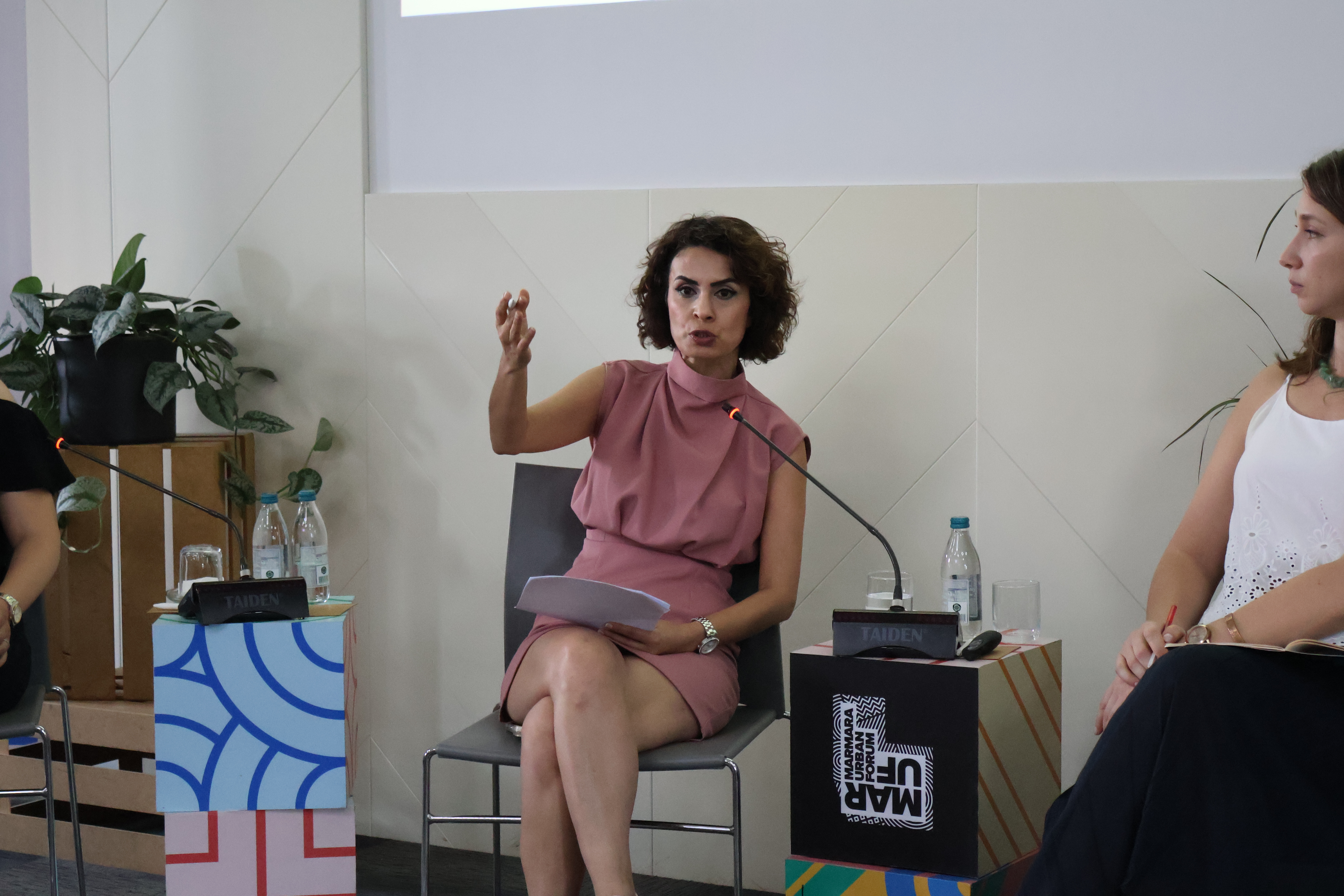
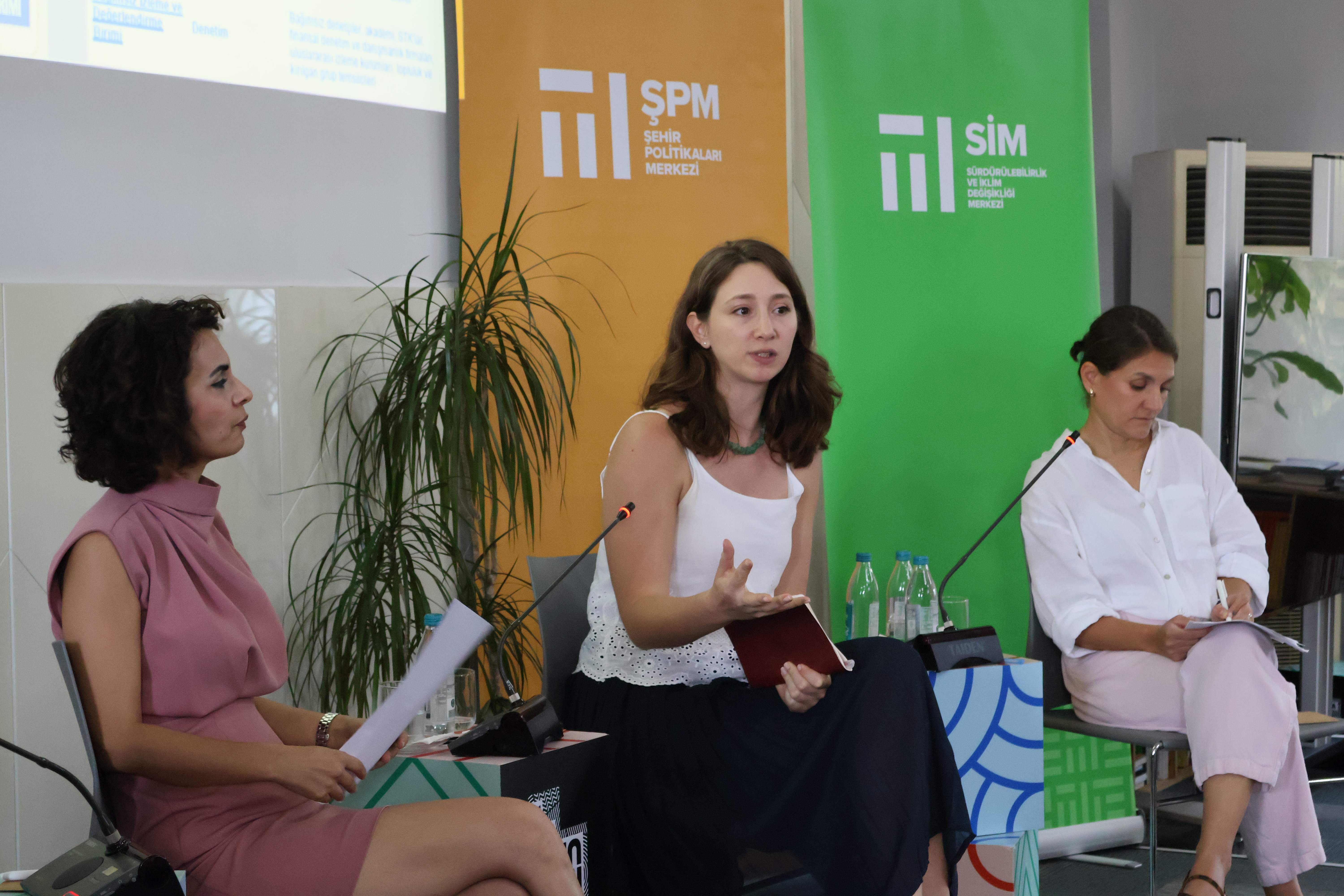
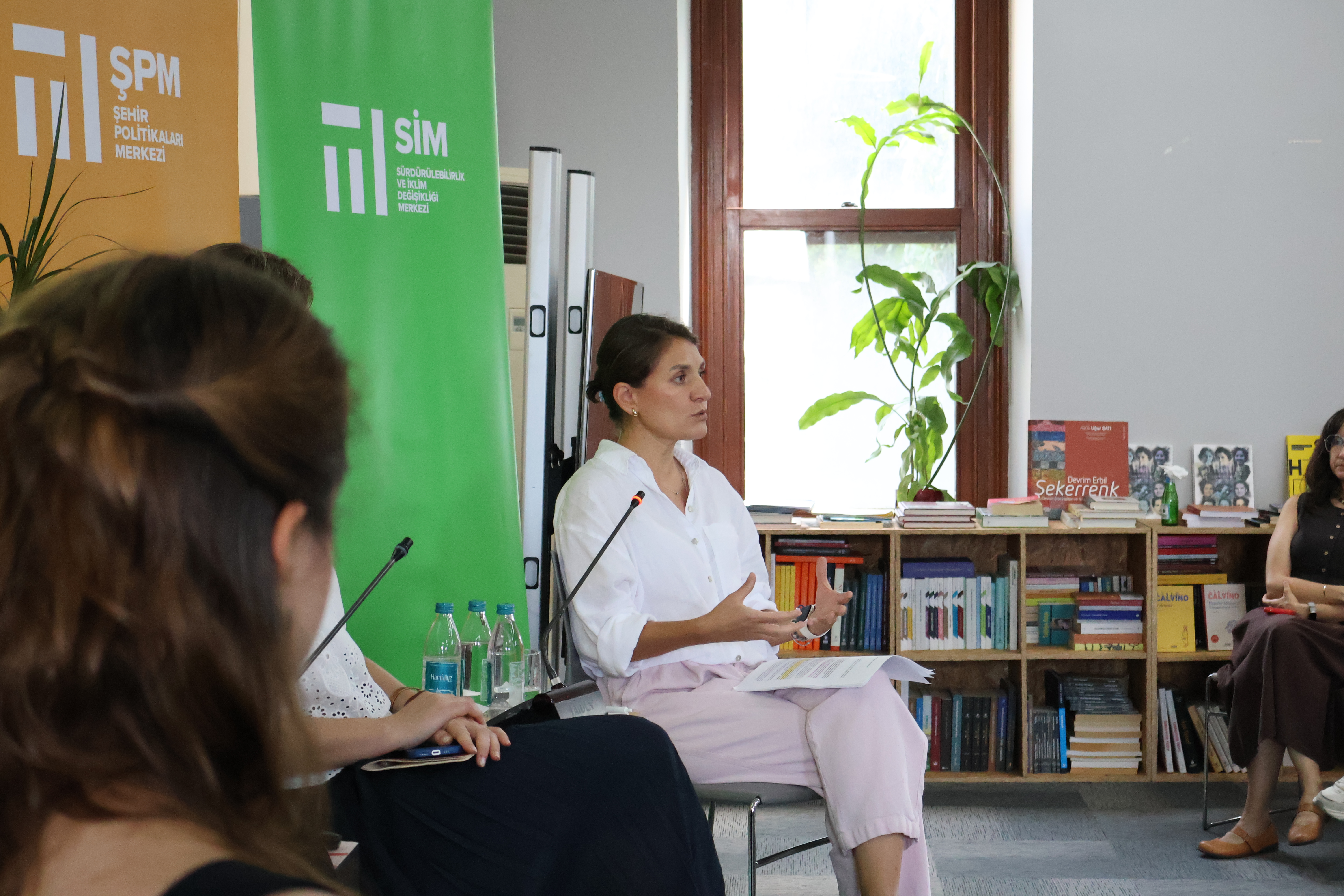
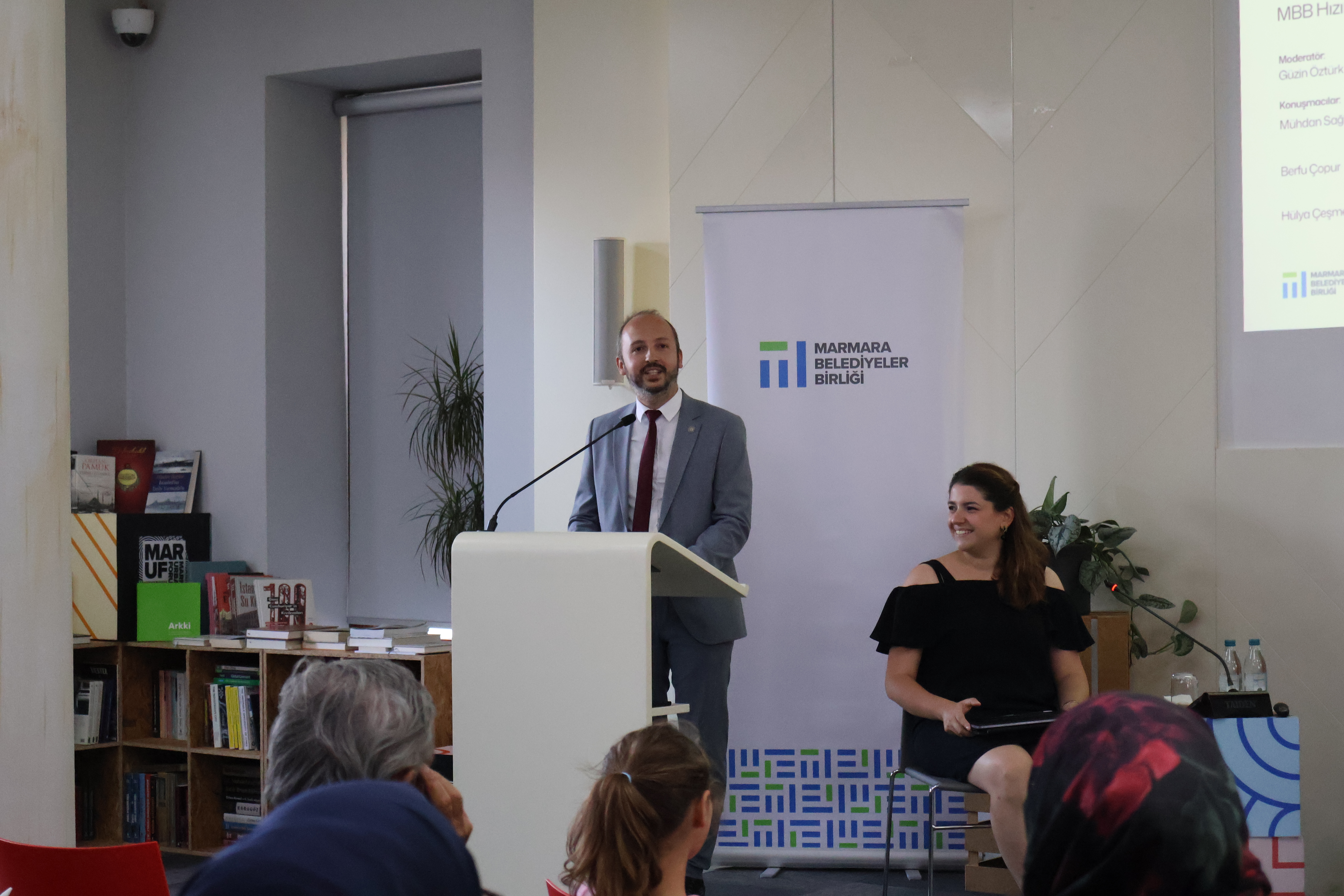
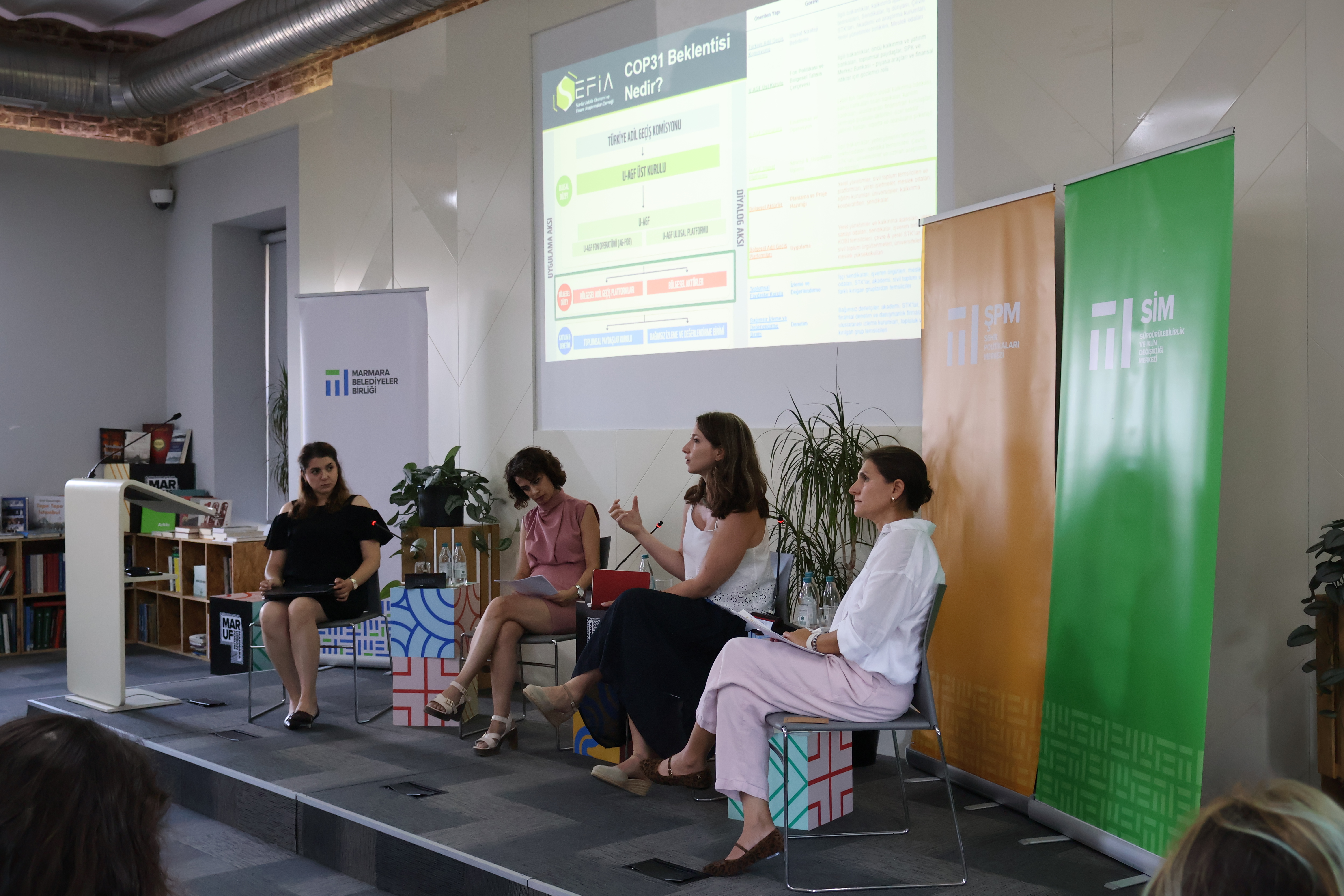
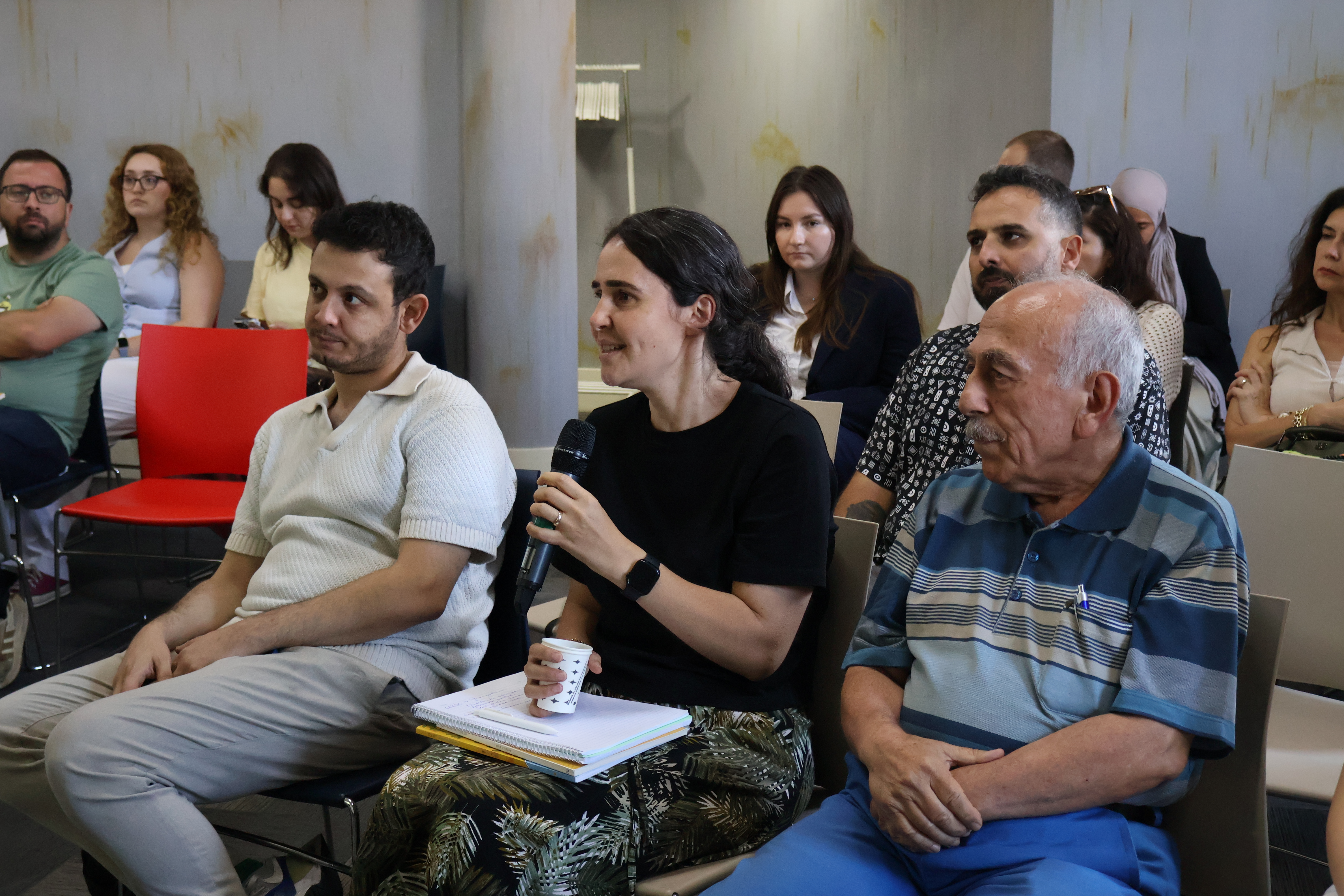
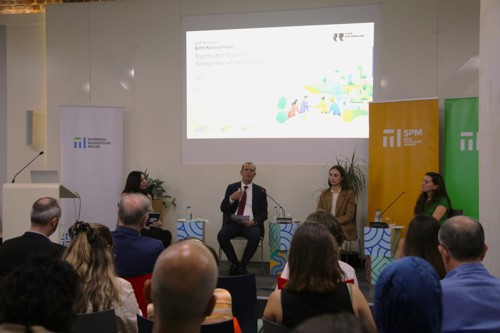
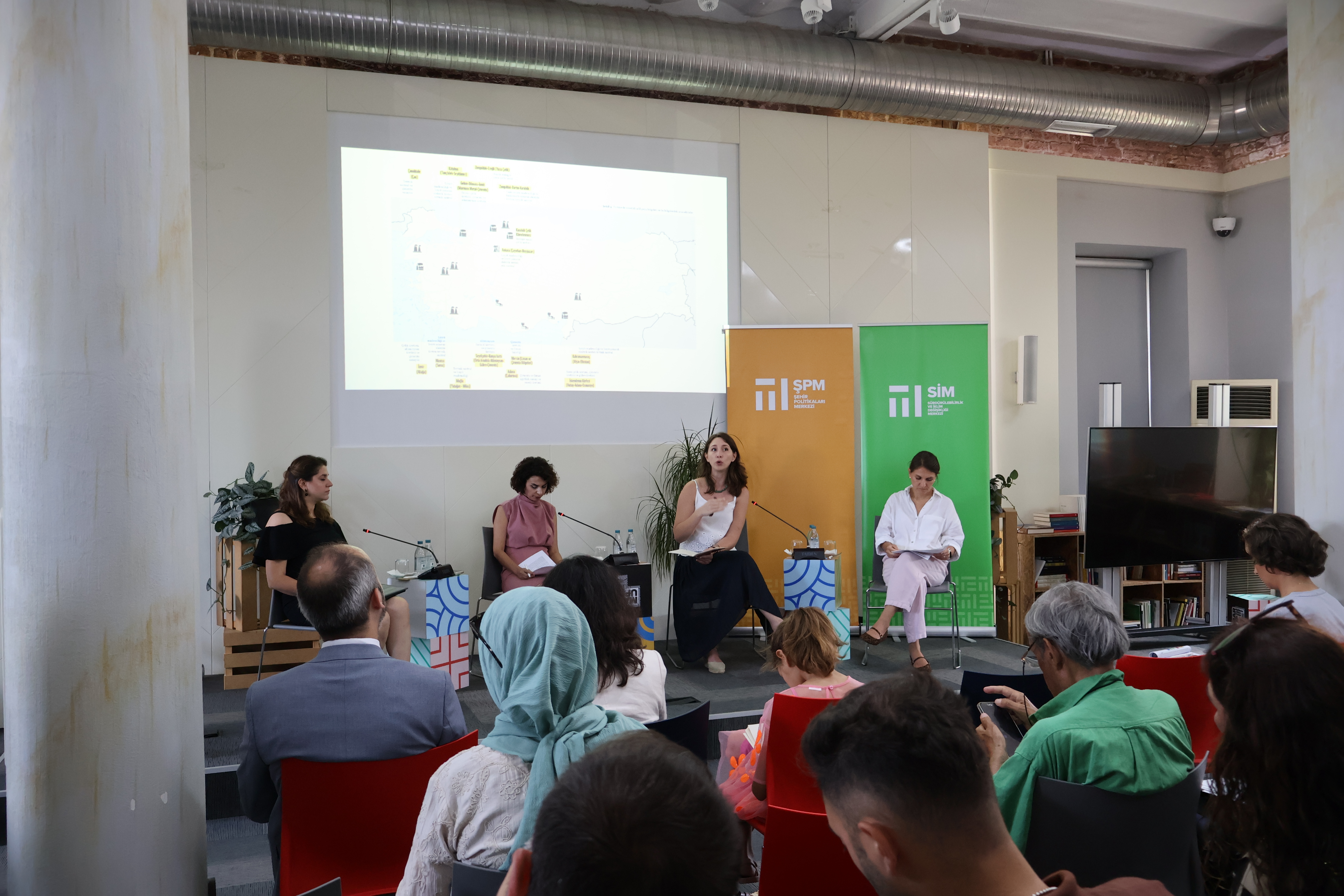
The session opened with remarks by Güzin Öztürk, Member and Stakeholder Relations Manager at UN Global Compact Türkiye, who emphasized that the impacts of climate change and climate policies are not experienced equally across society and highlighted the need for a just transition. Dr. Mühdan Sağlam, Director of the Energy and Climate Change Studies Center at the Economic Policy Research Foundation of Türkiye (TEPAV); Berfu Çopur, Researcher at the Sustainable Economics and Finance Research Association (SEFiA); and Hülya Çeşmeci Cengiz, Environmental Justice Programme Specialist at the Center For Spatial Justice, discussed just transition through the lenses of regional development, employment, technical capacity and participation.
Mühdan Sağlam noted that Türkiye’s energy sector accounts for a large share of national greenhouse gas emissions, at approximately 73%. She framed the transition away from fossil fuels and the broader energy transition through the dimensions of distributive, procedural, recognitional and spatial justice. Emphasizing the employment dimension, Sağlam stated that preventing income losses for workers moving into new areas of employment is essential to a just transition. She also noted that Marmara Region, home to a significant share of Türkiye’s industrial activity, may undergo substantial structural transformation as industries adapt to the European Union’s Carbon Border Adjustment Mechanism (CBAM). Sağlam stressed the need to advance the green and digital transitions together in ways that protect employment and avoid forcing workers to relocate. She added that Türkiye’s Nationally Determined Contributions (NDCs) and Emissions Trading System framework can support the transition away from fossil fuels, while a clear timeline and process for phase-out targets will be important for ensuring a just transition. Referring to the decision taken in Belém to develop a Just Transition Mechanism, Sağlam highlighted COP31 in Antalya, envisioned as an “Implementation COP”, as an opportunity to advance concrete action in this area.
Addressing just transition from Türkiye’s perspective, Berfu Çopur emphasized the need for a holistic approach encompassing regional development as well as social and technical dimensions. Drawing attention to regional disparities, she referred to international examples including the EU’s Just Transition Fund and differing approaches taken by Germany and Poland in response to regional needs. Çopur noted that nationally defined frameworks, developed through multi-stakeholder and participatory processes and supported by locally implemented pilot projects, could make a concrete contribution to the COP31 process.
Hülya Çeşmeci Cengiz focused on the everyday impacts of the clean energy transition on different social groups and emphasized the importance of fairly distributing the costs and benefits of climate action. She noted that heatwaves do not affect all urban residents equally and described access to cooling as both a public health issue and a fundamental right. Cengiz also underlined the importance of addressing energy poverty in climate policy and of integrating local targets into regional planning through a combined social and economic perspective.
The session concluded with the view that, in line with COP31’s emphasis on implementation, just transition should be approached holistically across emissions reduction, employment, the care economy and social justice. In addition to global and national targets, participants highlighted the importance of regional planning supported by data-driven assessments, institutional capacity and effective coordination. The discussion also emphasized involving local communities in decision-making from the outset and ensuring that local governments are integrated into regional development and planning processes.
The fourth session of “Urban Talks Towards COP31” series, titled “Healthy Cities in a Changing Climate”, will be held on 20 August 2026 at MMU Hızır Bey Çelebi Hall. Registration is available via the link.