"Urban Talks Towards COP31" Series Concludes Its Fourth Session Titled "Healthy Cities in a Changing Climate"
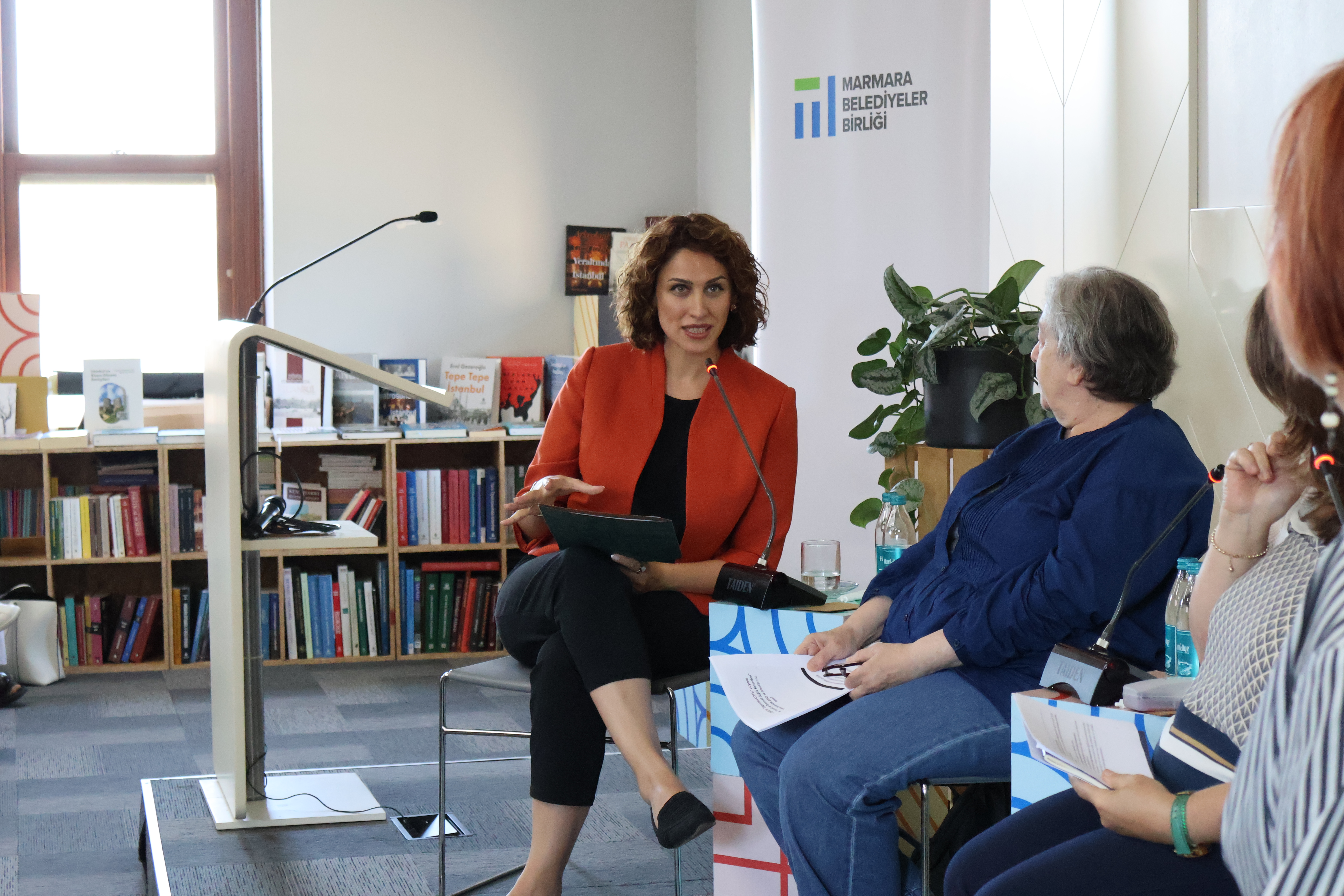
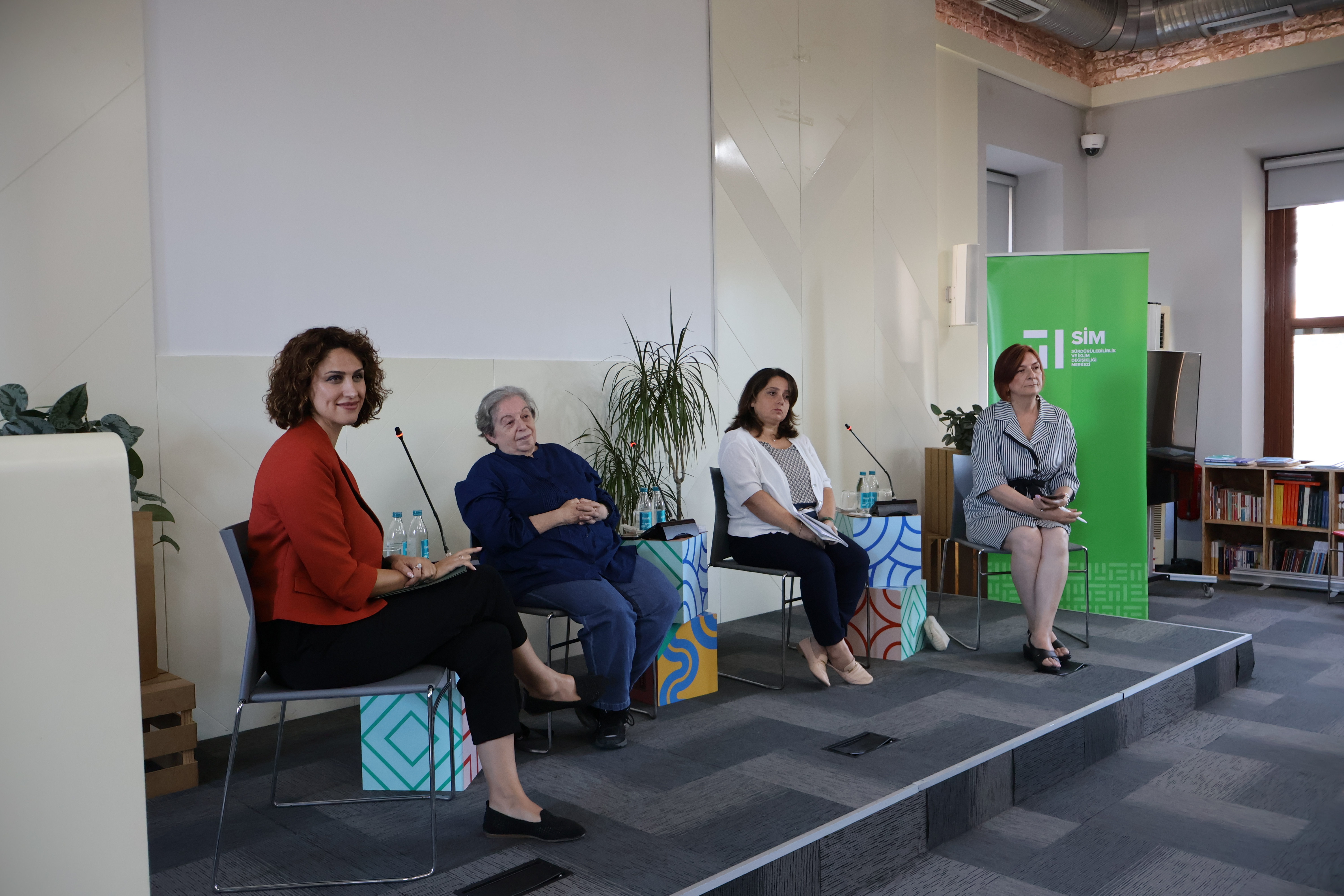
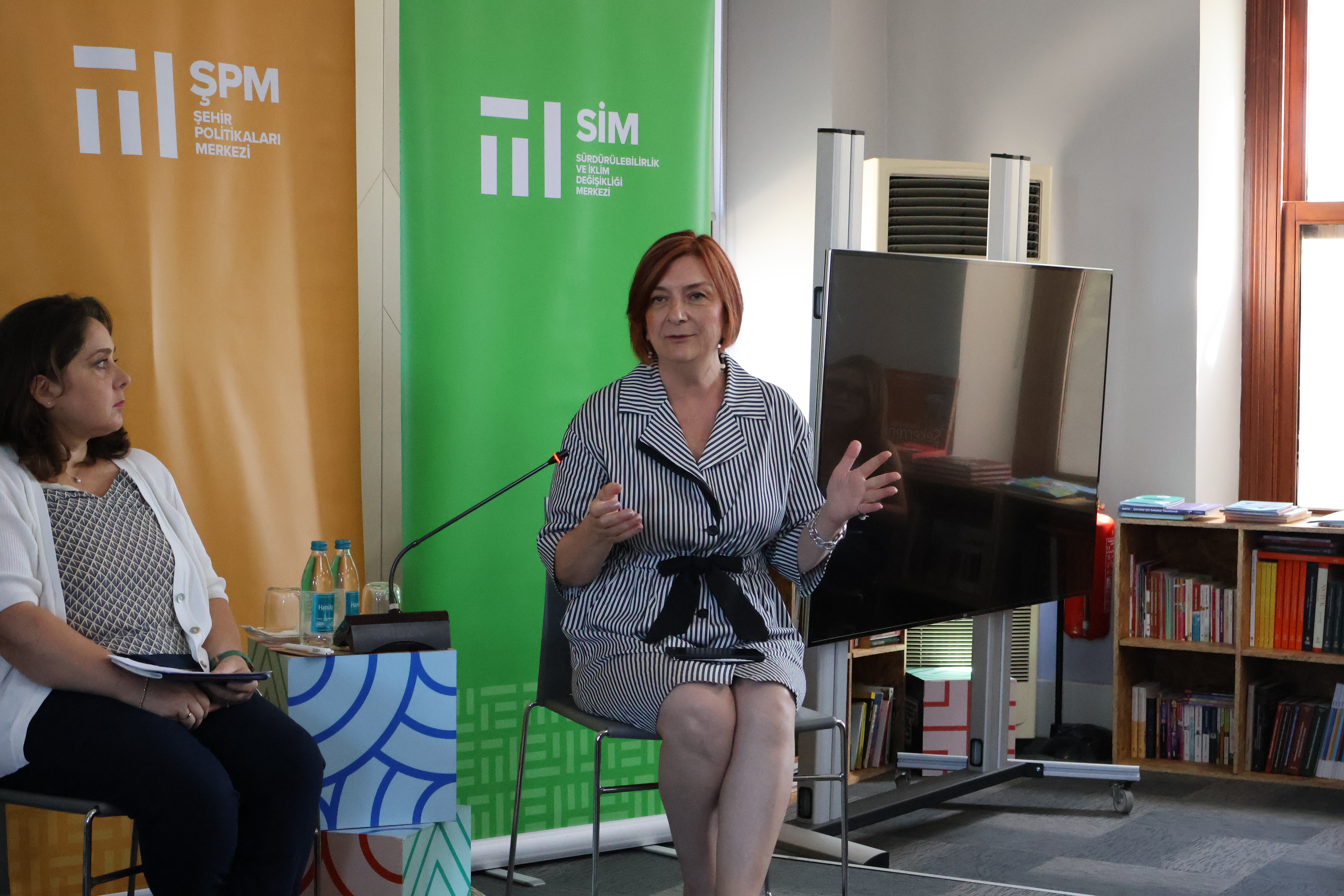
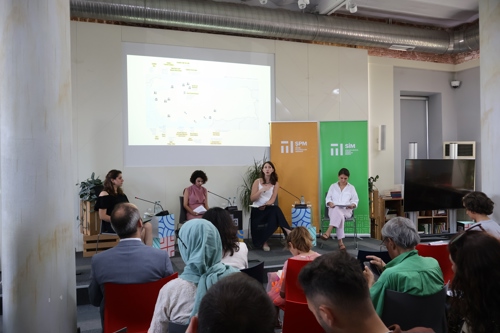
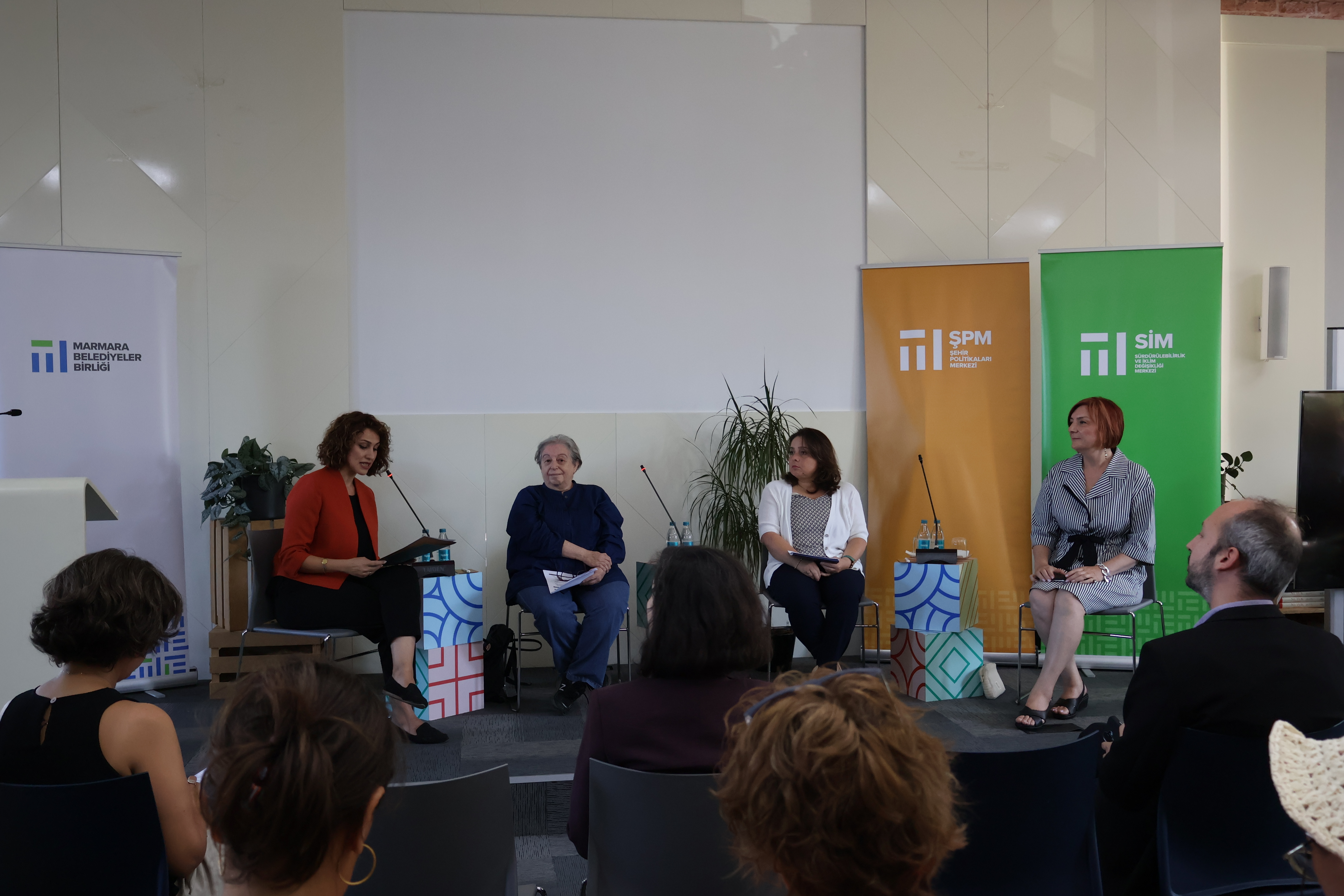
COP31 Eylem Gündemi öncelikleri doğrultusunda hazırlanan “COP31’e Doğru Şehir Konuşmaları” serisinin dördüncü oturumunda, değişen iklim koşullarının kentlerde halk sağlığı üzerindeki etkileri farklı disiplinlerden uzmanların katılımıyla ele alındı. İklim değişikliğinin sıcak hava dalgaları, hava kirliliği, aşırı yağışlar, kuraklık ve afetler yoluyla oluşturduğu sağlık riskleri kentsel planlama, altyapı, çevre yönetimi ve sağlık sistemlerinin dayanıklılığı çerçevesinde değerlendirildi. Türkiye Sağlıklı Kentler Birliği Genel Sekreter Yardımcısı Doç. Dr. Dalya Hazar’ın moderasyonunda gerçekleştirilen oturumda yerel risklerin belirlenmesi, erken uyarı ve izleme sistemlerinin güçlendirilmesi, doğa temelli çözümler ve kentlerin uyum kapasitesinin geliştirilmesine yönelik yaklaşımlar paylaşıldı.
Developed in line with the priorities of the COP31 Action Agenda, the fourth session of the “Urban Talks Towards COP31” series examined the impacts of changing climate conditions on public health in cities with the participation of experts from different disciplines. Health risks associated with climate change through heatwaves, air pollution, extreme precipitation, drought and disasters were discussed in relation to urban planning, infrastructure, environmental management and the resilience of health systems. The session, moderated by the Deputy Secretary General of the Healthy Cities National Network of Türkiye Assoc. Prof. Dr. Dalya Hazar, also addressed approaches to identifying local risks, strengthening early warning and monitoring systems, expanding nature-based solutions and enhancing the adaptation capacity of cities.
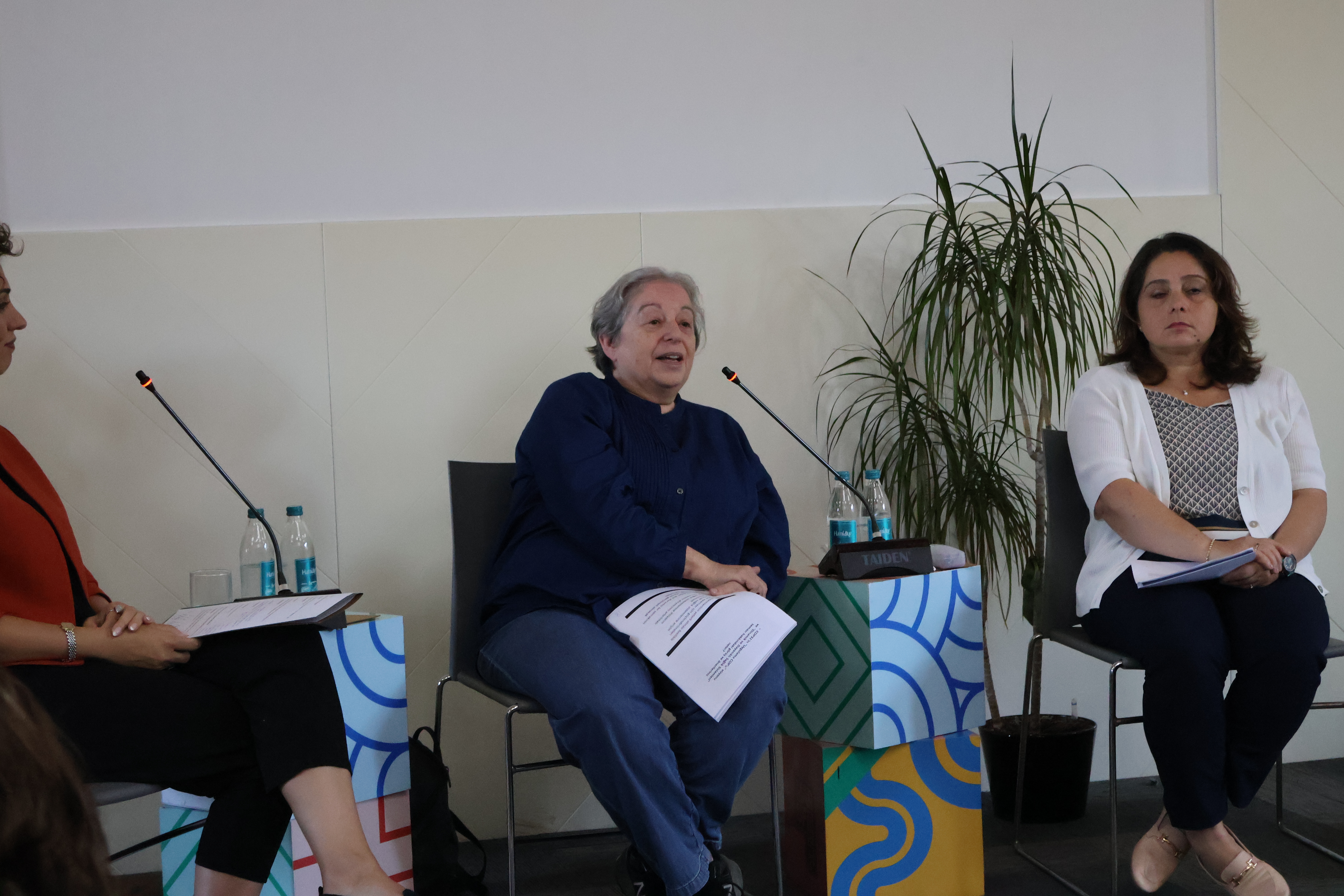
Prof. Dr. Emine Didem Evci Kiraz, Faculty Member at the Department of Public Health at Aydın Adnan Menderes University, drew attention to the multiple risks faced by cities as a result of climate change and their impacts on public health. Noting that extreme weather events, rising temperatures, declining water resources, air pollution and disasters create interconnected areas of risk, Evci Kiraz emphasized that health impacts should be assessed through the interaction of these risks. Referring to the 2024 Lancet Countdown Report on Health and Climate Change, she noted that health risks associated with climate change are becoming increasingly pronounced and affecting a growing share of the population and stated that areas such as food systems and agricultural production should also be considered within this framework.
Emphasizing the direct relationship between climate change adaptation and urban planning processes, Prof. Dr. Handan Türkoğlu, Emeritus Professor at the Department of Urban and Regional Planning at Istanbul Technical University, stated that urban infrastructure and settlement decisions should be addressed with health risks taken into account. Drawing attention to disasters caused by climate change, Türkoğlu noted that disasters, together with the urban heat island effect, pose significant health risks in cities. While highlighting the importance of ensuring that infrastructure is prepared for disasters and able to function when needed to strengthen the resilience of cities to changing climate conditions, she also noted that access to health services is an important component of urban resilience. Türkoğlu emphasized the importance of measures such as developing clean transport systems, protecting and expanding green areas and forests and expanding nature-based solutions to enhance the adaptive capacity of cities.
Prof. Dr. Ülkü Alver Şahin, Faculty Member at the Department of Environmental Engineering at Istanbul University-Cerrahpaşa, addressed the relationship between climate change, environmental health and human health through the “One Health” approach, referring to the direct and indirect impacts of changes in air quality, water resources and climate conditions on human health. Noting that changing precipitation patterns also create new environmental and health risks in cities, she stated that short-duration intense rainfall can increase flood risks, while prolonged dry periods can place greater pressure on water resources and increase air pollution, emphasizing that climate change adaptation policies should take different risks into account together. Drawing attention to the growing need for cooling in cities as temperatures rise, Ülkü Alver Şahin also highlighted the importance of measures aimed at reducing the urban heat island effect. Şahin noted that, alongside urban planning initiatives, measures such as reflective surfaces, green corridors and planting practices suited to local ecological conditions can strengthen cities’ adaptation capacity, emphasizing that solutions should be developed in line with the specific characteristics and needs of each city.
Assoc. Prof. Dr. Dalya Hazar highlighted the importance of an integrated approach extending from the watershed scale to the urban scale in assessing climate change-related health risks in cities. Hazar stated that the impacts of climate change on water resources, ecosystems, urban infrastructure and health systems should be addressed together, and noted that practices such as xeriscaping and the use of native vegetation can contribute to protecting water resources and helping cities adapt to changing climate conditions. Hazar emphasized the importance of cooperation across different scales and sectors in strengthening the resilience of cities to health and climate risks.
The session also emphasized the need to conduct local-level risk and needs assessments, develop early warning and monitoring systems, strengthen health infrastructure and connect feasible adaptation projects with financing to enhance the adaptation capacity of cities to climate change. Participants highlighted the importance of cities adopting an approach that identifies risks in advance and prepares the necessary infrastructure accordingly. While emphasizing the need for the relationship between climate change and health to be addressed more prominently within the global climate agenda and at COP31 compared to previous COPs, participants noted that strengthening early warning systems, monitoring air pollution, increasing public awareness of climate and health, and bringing the implementation experience of local governments to the global climate agenda could contribute to this process.