How is It Possible to Have A City That Embraces Differences and Enables Co-Living?
By: Gamze Sofuoğlu, WeWALK Marketing & User Experience Director
Cities are among the spaces where we most intensely experience social life in all its layers, where our individual differences become most visible, and where we experience inequality most concretely. Discussing an inclusive city in fact means discussing many elements of social life simultaneously.
As a person who is blind, my relationship with the city reflects not only to the physical environment but also to the sum of decision- making processes, design habits, digital systems and social behaviours; therefore, creating an inclusive city requires a structural, political and cultural transformation.
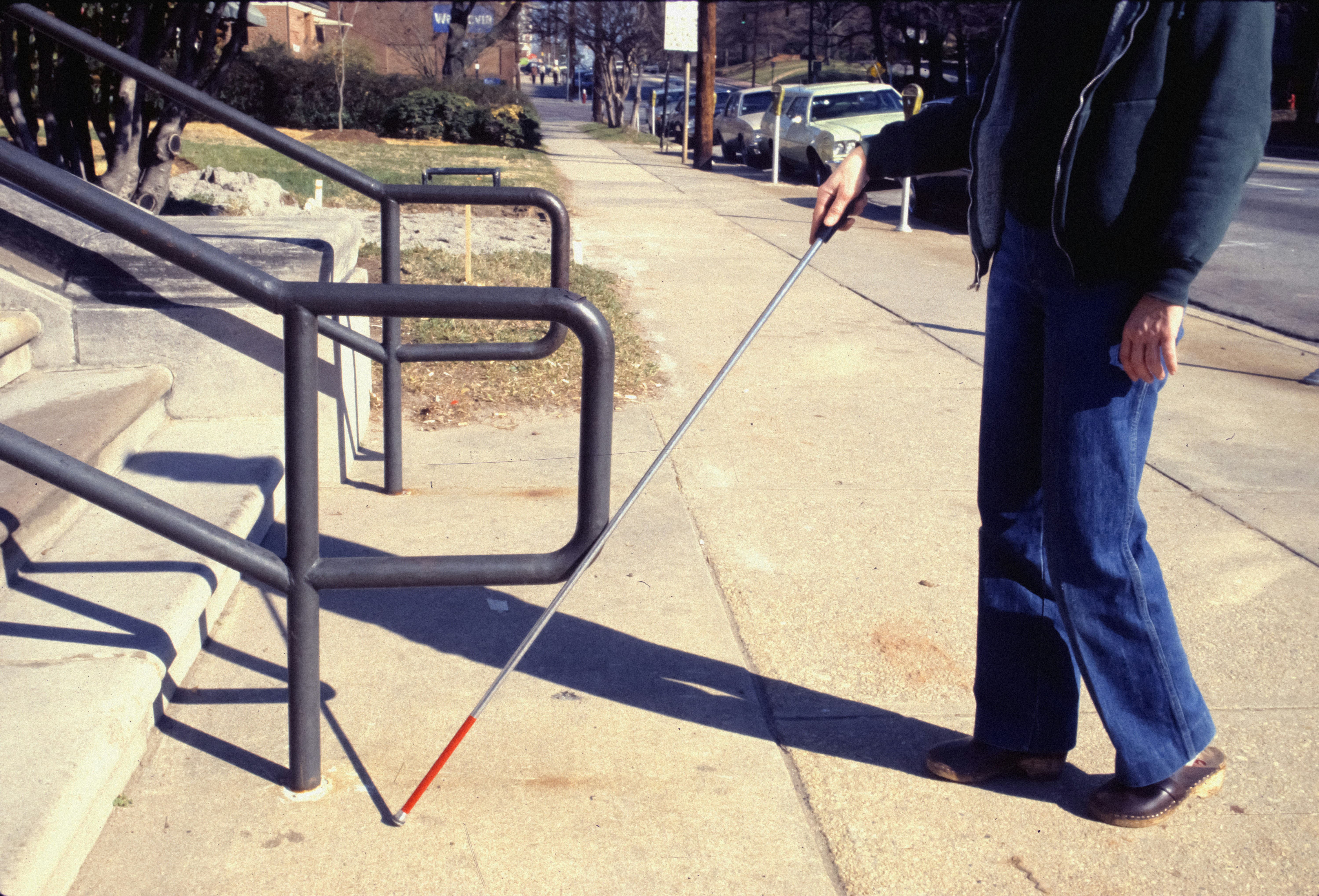
People with disabilities can only have a more equal, active, and independent presence in society through the implementation of accessibility in all areas and the existence of inclusive policies.
By placing the social barriers that hinder and disadvantage individuals and not the disabled themselves at the centre of the solution, then we can talk about a real inclusivity and a practiced perspective of accessibility.
So, how is it possible to have a city that embraces differences and allows for co-living?
1. Regulations Ensuring Accessibility:
Accessibility is not a "complementary component" added to any aspect of the urban life, but one of the starting parameters of urban planning, architectural production, technological design, and information management. Therefore, ensuring accessibility can only be achieved through a truly effective regulatory infrastructure.
This framework should;
— center on the principle of universal design,
— address physical, digital, and communication accessibility at the same level,
— cover all urban components from buildings to pedestrian paths, from public transportation to disaster management, and
— mandate that digital services be accessible.
2. Implementation, Monitoring and Sanctions of Regulations:
One of the biggest gaps in accessibility often stems not from a lack of legislation, but from the way it is implemented. Many of the barriers experienced by people with disabilities often stem from this lack of implementation.
Therefore, a strong implementation and monitoring process is required:
— conducting regular independent accessibility audits and ensuring transparent reporting processes,
— applying effective and deterrent sanctions in cases of non-compliance,
— establishing accessibility performance indicators for municipalities and the private sector,
— sharing accessibility violations, problem areas, and user feedback, and
— recognizing the experience of disabled communities as a key data source in evaluating implementation.
3. Responsibilities of The Private Sector, One of The Most Important Actors in Urban Life
One of the most important actors shaping the daily life experience of the urban residents is not only the public sector but also the private sector. From mobile banking and mapping applications to e-commerce and transportation platforms, corporate buildings and shopping malls, the private sector is one of the most critical and influential architects of urban life.
Therefore, the private sector's responsibility for accessibility in urban life is more than a strategic choice; it is a social imperative:
— accessibility should be the default in product and service design.
— physical spaces should be planned with universal design principles.
— inclusiveness in internal policies and processes must be an integral part of institutional capacity.
— continuous collaboration should be maintained with stakeholders working in the field of disability.
4. Active Involvement of Civil Society and Community in The Processes:
Civil society is not just organised structures; it is the entirety of the communities, users, and volunteers who share the experience.
These communities, as the bodies that best define accessibility needs and produce the swiftest solutions, form the insightful infrastructure of an inclusive city.
Therefore, the community should be directly and very actively involved in:
— policy making processes,
— implementation plans,
— monitoring-evaluation mechanisms,
— design meetings and accessibility audits.
What Do We Do For Urban Life As Wewalk?
At WeWALK, our mission is to develop technologies that support the equal, active, and independent participation of individuals with visual disabilities in social life. To this end, we offer two core technologies:
1. WeWALK Smart Cane:
The WeWALK Smart Cane is a technologically advanced, AI-based cane designed to help visually impaired people achieve independent mobility. Its smart features, incorporated into traditional white canes, provide users with a safer and more convenient experience. Designed as thin and light as a standard cane, the WeWALK offers intuitive and easy use thanks to its physical buttons. Its built-in sensors detect obstacles at head and chest height and provide vibration or audio alerts. It connects to the WeWALK mobile app via Bluetooth, allowing users to get step-by-step navigation, Access public transportation information, and explore surrounding areas directly from the cane. Its voice assistant allows navigation, public transportation, and explore features to be operated with voice commands. With AI integration, users can ask the cane any question they want, instantly accessing a wide range of information, from a coffee shop's menu to a description of a historical building.
2. DANIŞ Professional Video Call Service:
DANIŞ is a professional assistance service where visually impaired people can receive instant and live service through their phones' cameras by connecting to professional assistants via video via the WeWALK mobile application whenever they need visual support.
The WeWALK Smart Cane and DANIŞ Video Call Service were developed with the understanding that urban life is defined not only by physical accessibility but also by multidimensional needs such as access to information, wayfinding, security, and social inclusion. These two technologies empower visually impaired people to move independently in urban spaces, have equal access to public and private services, and participate actively in daily life. At WeWALK, our goal is to contribute to cities becoming more inclusive, more accessible, and more liveable for everyone by combining technology with our perspective, which views disability as a consequence of social and environmental barriers rather than an individual's limitations.
The fifth edition of Urban, the compilation issue of the magazine Kent published by Marmara Municipalities Union with the motto “Cities Developing Solutions”, is now available.
You can download the entire magazine by clicking here.