Being Able to Establish Resilient Cities in a Vulnarable World
By: Akgün İlhan, Dr., Department of Tourism Management, Boğaziçi University
The cities witness a polycrisis of a scale unprecedented in the history. These crises emerge as climate change, ecologic collapse, natural disasters, challenges related to energy, water and food, social-economic inequalities and conflicts, and they increase the vulnerability of the cities. The environmental, social and economic dimensions of this vulnerability also force resilience to determine an existence strategy in the similar areas. Today, resilient cities are no longer only defined as entities capable of surviving the natural disasters, but also as systems that learn from the crises and transform themselves. This requires urban systems to develop adaptable capacities both against shocks and long-term tensions. Resilient cities should be considered as one whole, where the physical infrastructure, social networks, economic structure, ecosystem services and governance systems operate in harmony with each other. Starting from here, in the transition from vulnerability to flexibility, the cities must take action in areas such as increasing physical resilience against natural disasters, climate change mitigation and adaptation, strengthening the economy with local and circular production, strengthening social resilience, establishing learning systems and diversifying participation in governance.
Increasing Physical Resilience Against Natural Disasters
In Türkiye, the post-disaster urban transformation projects often focus on building reinforcements while disregarding site selection and density. However, genuine resilience starts with the right location and the right density of development. The physical resilience of the cities can only be ensured through the holistic implementation of planning, engineering, governance, and ecological strategies. Urban planning must take into consideration the spatial distribution of the risks such as earthquakes, landslides and tsunamis; and the ground surveys, microzoning studies, disaster risk maps and current building inventories should be integrated with the master plans. Post-disaster evacuation routes and assembly areas should be planned, and the principle of redundancy should be applied in energy, water and transport infrastructure. Also, early warning systems must be established, and tested regularly. Urban resilience action plans should be prepared and responsibilities for implementation must be clearly defined at both local and national levels. For this goal, resilience governance units at the central and local scales should be established, data sharing among the organisations should be maintained and a separate, monitorable budget should be allocated for all these processes.
Mitigation and Adaptation to Climate Change
Cities are responsible for nearly 70 percent of global greenhouse gas emissions, while at the same time being among the areas most affected by climate change. For this reason, the cities must implement both adaptation and mitigation policies in a holistic manner. In greenhouse gas mitigation, within the framework of pedestrian- focused planning in the transport sector, pedestrian and cycle paths, electric vehicle and public transport infrastructure should be developed within the‘15-Minute City’ model. In the field of energy, increasing renewable and low-carbon energy resources such as solar and wind energy, and energy diversity should be prioritised.
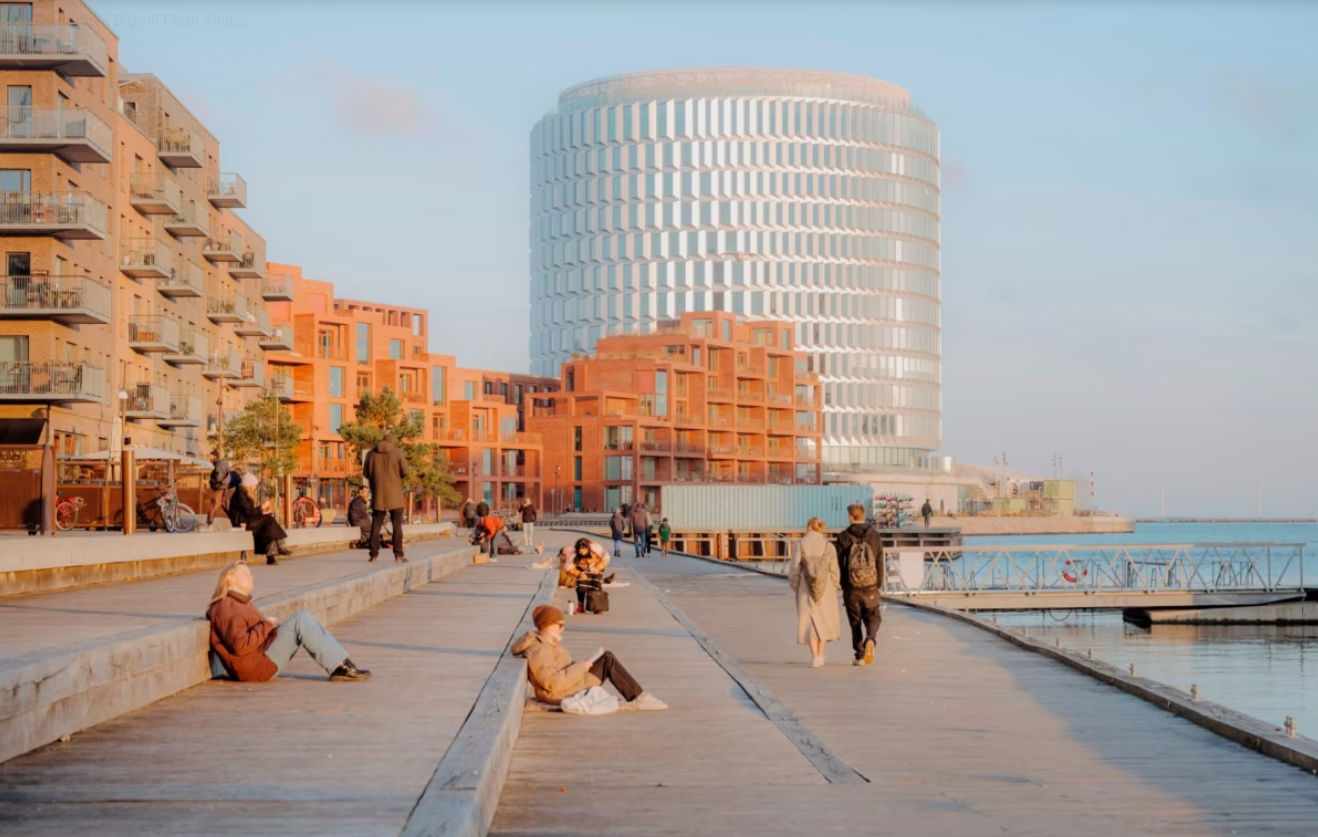
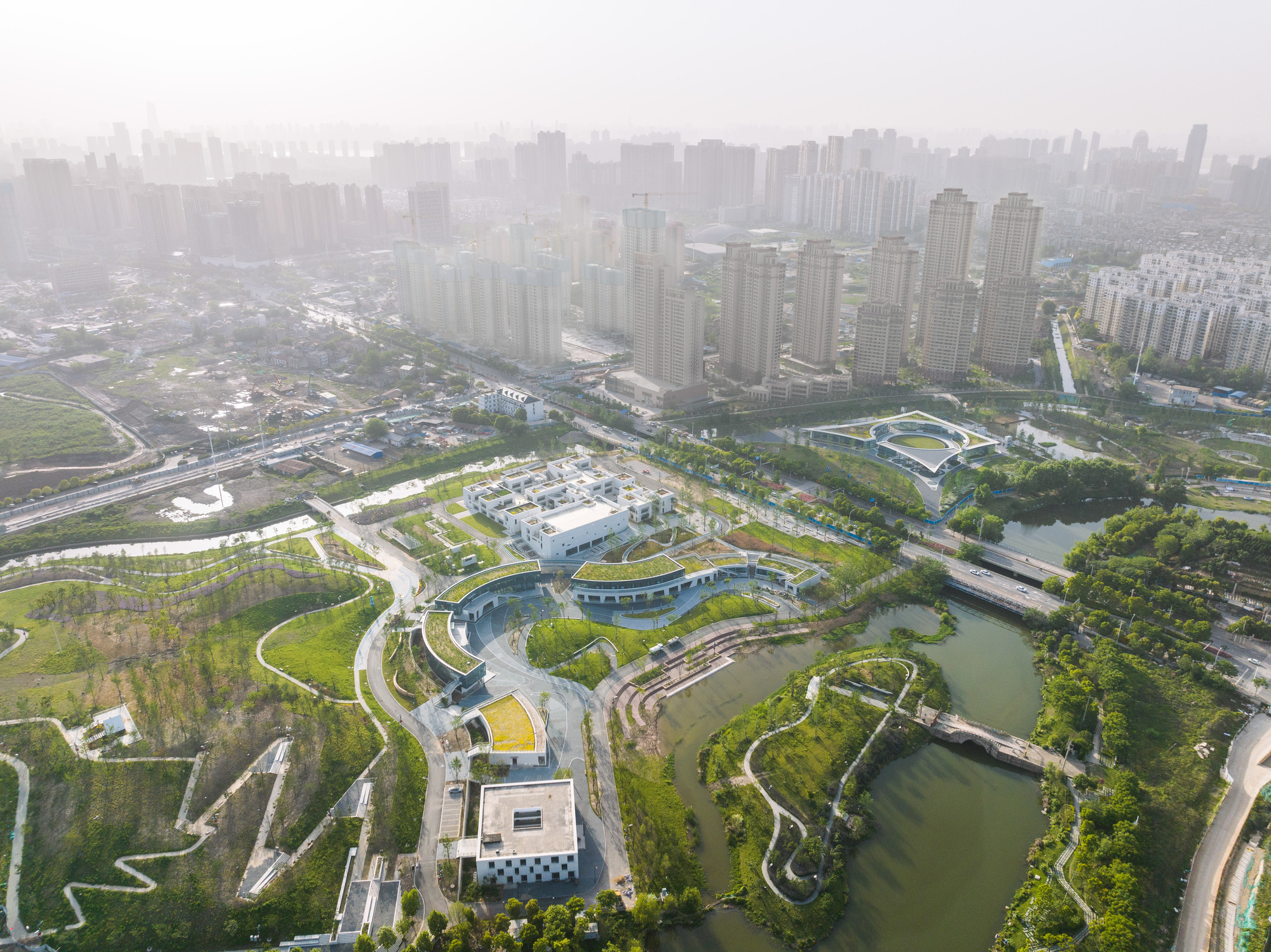
In the adaptation process to climate change, in order to increase the resilience of the cities against climate disasters such as drought, heatwave and floods, nature-based solutions should be prioritised. This approach requires development of green infrastructural systems (green roofs, rain gardens, drainage ditches, permeable surfaces, etc.) which imitates the functioning of the nature itself, and their functioning in integration with the current grey infrastructure. Thus, the disasters would be prevented thanks to the ecosystem services before happening, or their impacts would be diminished. These practices increase the urban biodiversity, beside maintaining flood control, decreasing the heat and creating carbon sink areas, and they restore the water cycle, and constitute healthy recreative areas for the urban citizens. China’s “Sponge City” model is one of the most successful examples of this holistic and nature-based approach.
Strengthening the Economy with Local and Circular Production
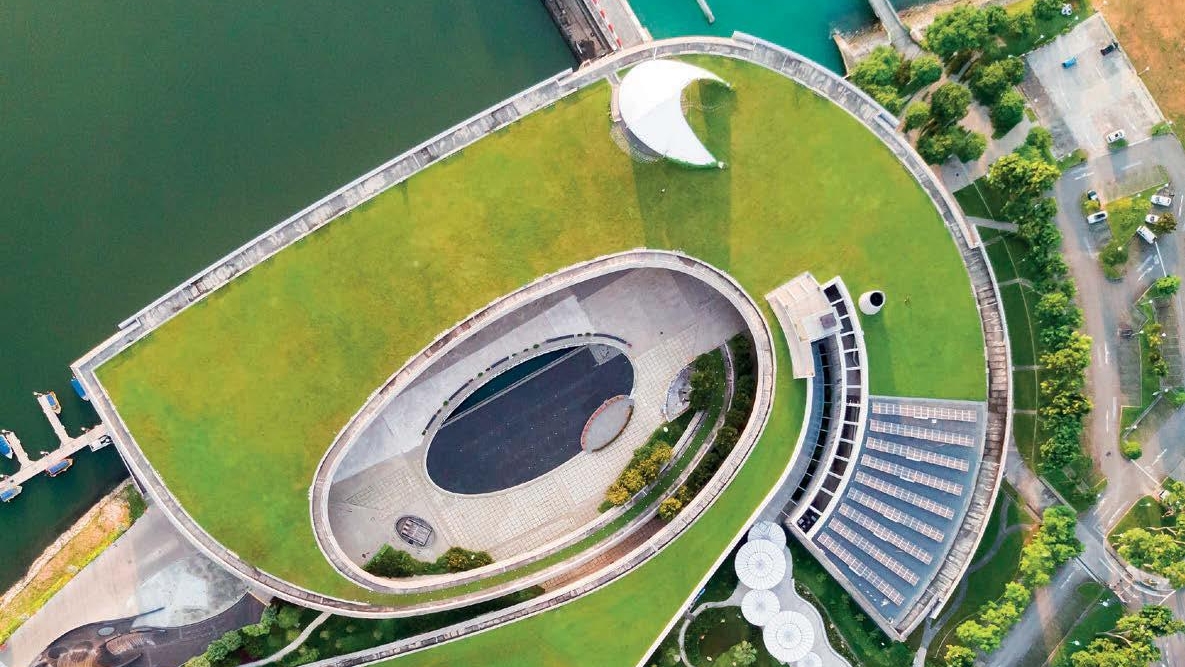
Cities that dependent on a single sector or the global supply chain are highly vulnerable and can easily collapse during periods of crises. A resilient economy is based on the principles of diversity and flexibility. Formations such as urban agriculture and food cooperatives, small-producer networks, urban logistics centres, and social enterprises strengthen the economy from below by supporting the local production. With circular systems that do not produce waste and reintroduce the resources into circulation it is also possible to maintain economic and environmental sustainability. Waste material recovery in the construction sector, reusing cycles in the textile and food sectors, and the successful reusing of grey and waste water after on-site treatment are examples of this approach. For instance, Singapore uses every drop of water with a circular water management model which integrates rainwater collection, advanced wastewater treatment and seawater desalination.
Foreign dependency is another reason for economic vulnerability. Local energy production and urban agriculture, the closed water cycle approach based on using local water sources have critical importance during times of crisis. The concept of “self-sufficient city” should be considered not only as an economic but also as a strategic issue of security.
Strengthening Social Resilience
The feelings of trust, solidarity and identity, which holds the society together, become important as much as a resilient infrastructure during the moments of crisis. The post-disaster cities which recover fastest are generally those with the strongest social bonds. Like in the examples of Kobe in Japan and Valdivia in Chile, local community organisations have a determining place in crisis management. In the planning processes, neighbourhood-based meetings, local participation mechanisms and establishing disaster volunteering networks strengthen social resilience. Also, a just life is a condition for resilience. Participatory equality of vulnerable groups that are unproportionally affected by the disasters, such as the women, immigrants, elderly and poor, in urban planning, and just access to post-disaster resource distribution and housing and health services must be maintained.
Establishing Learning Systems
The cities are systems that are constantly learning just like the living organisms. And resilience is not a static state, but a constant cycle of learning and restructuring. Technology provides indispensable tools for governing the complexity of the cities. Possible disaster scenarios might be tested by having the visual copy of the physical city by the digital twin applications. These systems provide dynamic simulations against events such as floods, earthquakes or energy cuts. These diminish the impacts of disasters to a major extend in connection with early warning systems supported by real- time sensor networks, meteorological data and social media analytics. However, technology is not sufficient alone; the system should be adaptable, i.e. should learn from the post-crisis feedbacks. Organi-sations and communities that can learn lessons from disasters, mistakes and crises continue their road stronger each time.
Diversifying Participation in Governance
Urban resilience is about governance as well as technology. The vulnerability profile of the cities might be understood with correct data. Data-based decision-making mechanisms should be developed and realised together with open data platforms, digital risk maps, sensor networks and CBSbased monitoring systems. A multi-level governance approach should be adopted to clearly define the division of responsibilities between central and local authorities, ensure the integration of disaster management with urban planning, and establish regional resilience networks. To build a resilient city, the participation of stakeholders such as the public, universities, NGOs, and the private sector should be ensured throughout the planning process, from planning to implementation.
Conclusion: From Vulnerability to Flexibility
Even though it is not possible to make the cities entirely secure, it is possible to transform their vulnerability. This transformation means not only a physical but an environmental, social and economic restructuring. Resilience should be considered not as the strength of the concrete and technology, but as the integrity of the system. The true resilience of a city depends on its harmony with nature and climate, equal participation of the citizens at all stages from planning to implementation, and its capacity to learn from risks and disasters, and to change and adapt. Building resilient cities in a vulnerable world indeed means building resilient societies and systems.
The fifth edition of Urban, the compilation issue of the magazine Kent published by Marmara Municipalities Union with the motto “Cities Developing Solutions”, is now available.
You can download the entire magazine by clicking here.