
Governing Cities in An Age of Polycrisis: Insights From Mayors
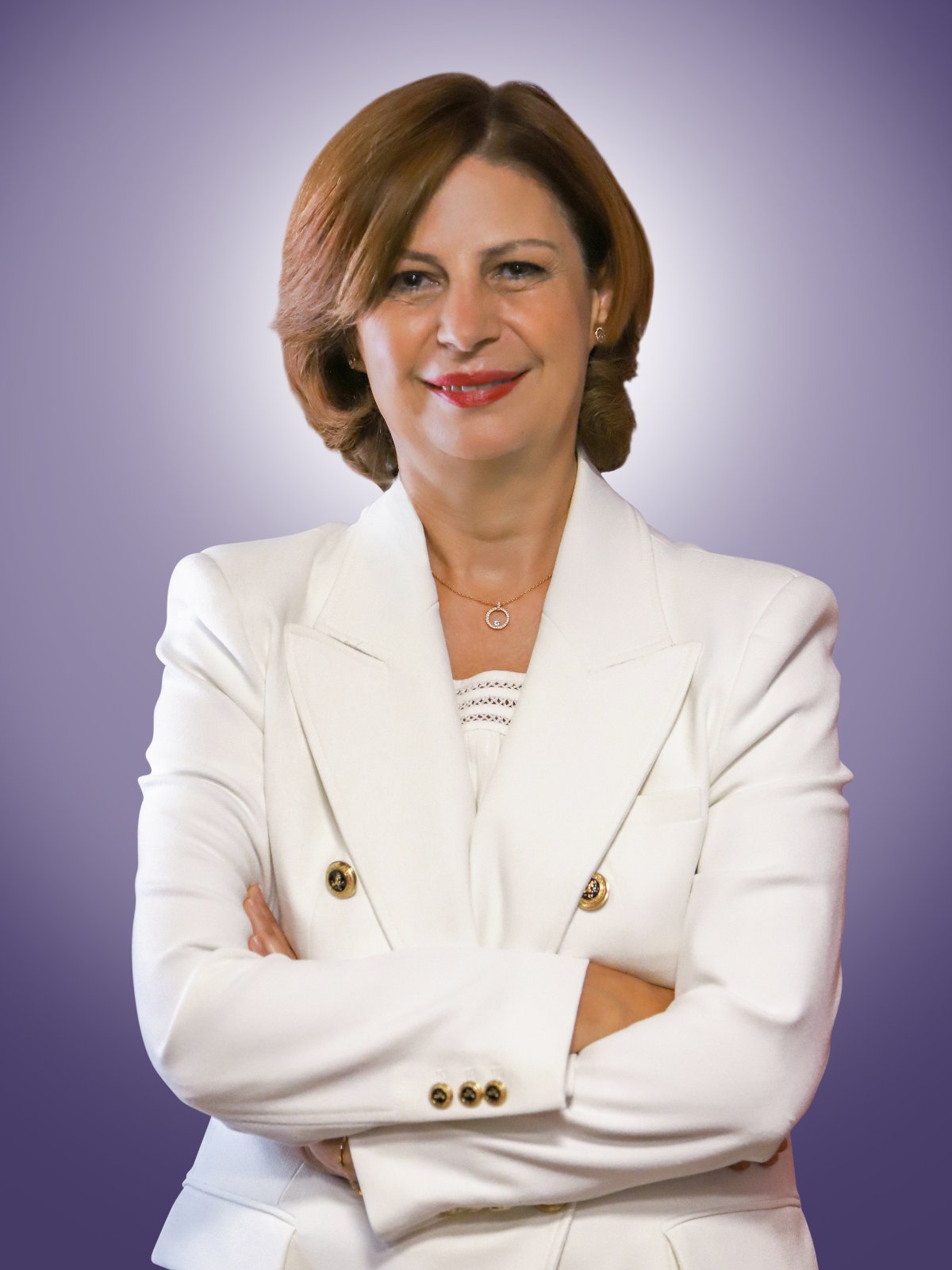
Mayor of Eskişehir Metropolitan Municipality Ayşe Ünlüce
1. What are your top three strategies for making your city resilient to disaster, climate, and economic shocks? How do you measure their impact?
As Eskişehir Metropolitan Municipality, one of our top priorities is to make Eskişehir resilient to disasters, climate change, and economic fluctuations. We are advancing this goal in line with our vision of a "Balanced, Developing, Sustainable, and Liveable Eskişehir." As part of our 2025–2029 Strategic Plan, we are increasing both our environmental and economic resilience through renewable energy investments, sustainable waste management, and green space projects.
We actively implement protocols that ensure the participation of civil society organisations and citizens in disaster management processes.This approach is directly related to the "Resilient City" theme of the Civic Participation Action Plan. We systematically implement awareness-raising programs, participation mechanisms in resilient city policies, and monitoring and evaluation processes. We continuously strengthen our capacity for crisis preparedness, particularly through micro zoning studies and the Climate Change and Energy Management Working Committee. Our goal is to build a resilient and liveable city not only for today but also for the future.
2. Which innovative approaches can the local governments develop to build a caring, safe and inclusive urban life that reduces inequalities?
An inclusive city governance that strengthens social justice is one of the foundations of our vision. As part of the 2025–2029 Strategic Plan, we are increasing the partic-ipation of disadvantaged groups in the city life through investments in social services and education, and strengthening awareness of gender equality.
We have embodied this approach with the "Participatory Budgeting Practice." This allows citizens to prioritise projects that affect their living spaces, and we see it as an important tool for assessing the impact of investments. Another step we have taken is the Civic Participation Action Plan. Specifically, in line with the plan's theme of "Accessible and Inclusive City," we increase the participation of vulnerable groups in decision-making processes, support volunteering, and we effectively use monitoring and assessment mechanisms. Furthermore, the satisfaction surveys we conduct regularly contribute significantly to measuring the effectiveness of social services and projects and improving our practices.
Our goal is to build together a city that leaves no one behind, where everyone feels themselves valuable, safe, and equal. We know that a resilient city is only possible when it is equitable and inclusive.
3. For cities to be truly resilient to polycrises (disasters, climate, conflict, economic fluctuations), what social, institutional and governance capacity should be invested in beyond physical infrastructure, and with what concrete steps are you advancing this transformation in your own municipality?
Eskişehir's resilience to polycrises is built not only by strengthening its physical infrastructure but also by developing its social, institutional, and governance capacity. Urban and rural development projects implemented under our 2025–2029 Strategic Plan enhance our capacity to prepare for and respond to crises.
In line with the theme of the Civic Participation Action Plan, “Locally Developing City,” we are strengthening civic participation in local and rural development processes and establishing collaboration mechanisms with communities and stakeholders.
All these efforts are carried out within the framework of our culture of good governance, ensuring that transparent, accountable, and participatory management principles are upheld from project design to implementation. Thus, investments, projects, strategic planning, and civic engagement mechanisms are integrated to transform Eskişehir into a resilient, inclusive, and sustainable city model in terms of physical, social, and governance aspects.
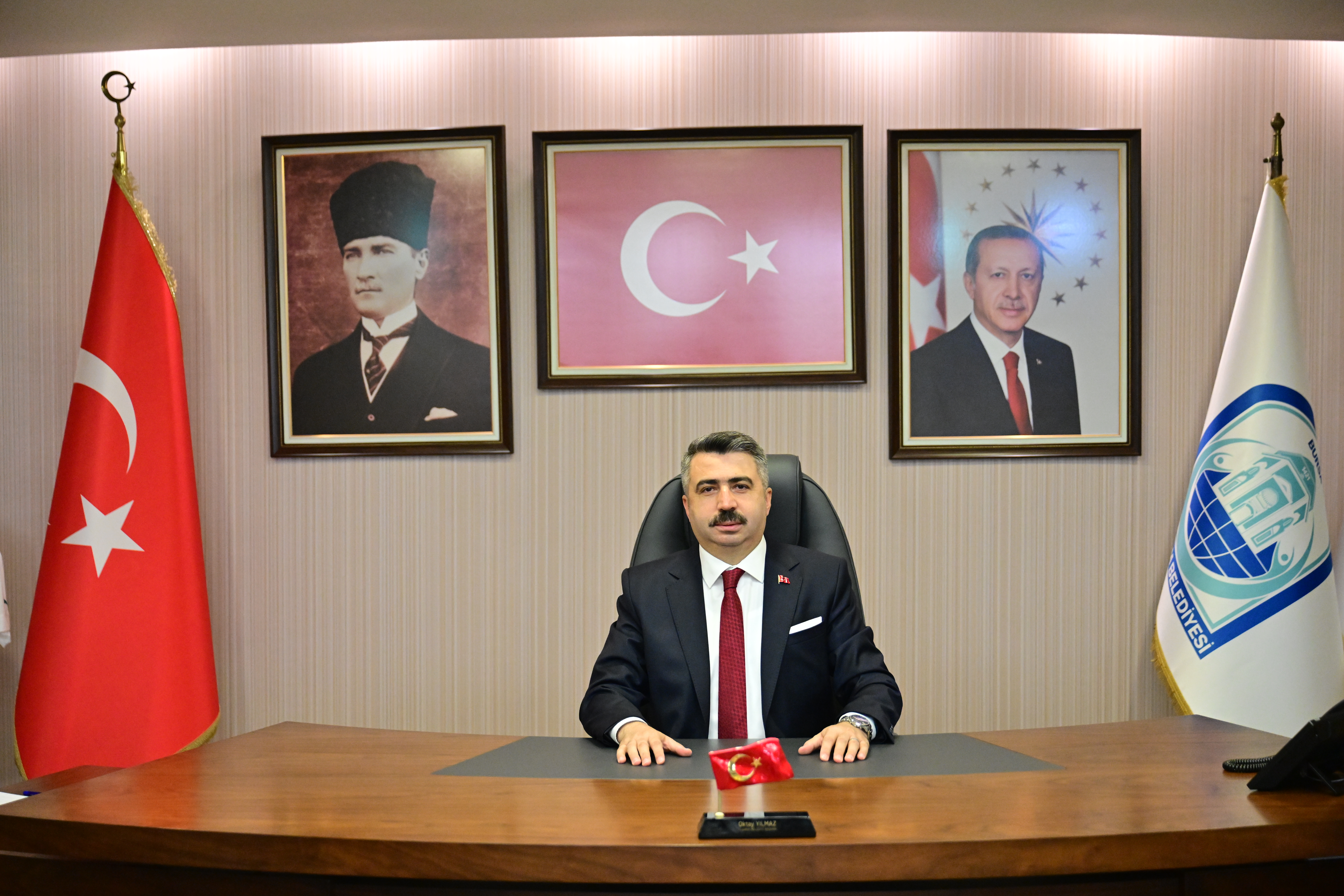
Mayor of Yıldırım Municipality Oktay Yılmaz
1. What are your top three strategies for making your city resilient to disaster, climate, and economic shocks? How do you measure their impact?
As Yıldırım Municipality, we consider transforming the seismically vulnerable building stock into modern, safe, and liveable urban areas our top priority. We aim to renovate a total of 30,000 houses through the urban transformation projects we carry out in different parts of our district.
Our core strategy is to implement urban transformation in a rapid and well-planned manner. We are implementing transformation projects that focus on disaster safety, aiming to renovate 30,000 houses in our district. We also enhance neighbourhood response capacity by requiring disaster and emergency containers for newly constructed buildings with 50 or more independent units. We monitor the measurement processes through updating the building stock, identifying at-risk buildings, transformation progress percentages, and disaster response times.
Our second strategy is aimed at raising public awareness. We empowered 15,000 students with disaster awareness training and distributed radios and crisis communication equipment to our neighbourhood representatives We are monitoring effectiveness through volunteer training, exercise numbers, and participation rates.
Our third strategy is to strengthen our resilient infrastructure and service network. We are expanding social support mechanisms to respond to economic shocks and developing neighbourhood-level coordination networks. We measure success through social impact metrics, access data, and satisfaction indicators. Our goal is to build a resilient Yıldırım district with safe buildings, prepared individuals, and rapid response capacity.
2. Which innovative approaches can the local governments develop to build a caring, safe and inclusive urban life that reduces inequalities?
Building an inclusive social infrastructure, along with disaster preparedness is one of the essential components of resilient cities. In this regard, local administrations must develop innovative approaches that reach disadvantaged groups, increase social solidarity, and strengthen on-site service delivery.
In Yıldırım, we put this understanding into practice through a neighbourhood-centred, participatory, and inclusive disaster resilience approach. With the Neighbourhood- Based Support AFAD Volunteers Project, we strengthen local solidarity networks and provide volunteers with first aid, search-and-rescue, and disaster awareness training. Thus, we build neighbourhood-based capacity to support professional teams in the event of a disaster.
The programme started as a pilot in the Akçağlayan neighbourhood, continued in Zümrütevler and Mevlana, and has rapidly evolved into a model expanding to five further neighbourhoods. We measure the project's success by the number of volunteers trained, neighbourhood preparedness, feedback from the exercises, and local coordination capacity.
We also provide disaster awareness training by regularly visiting households where people with disabilities live, ensuring accessibility to information for everyone. These studies contribute to reducing social inequalities while strengthening an inclusive culture of resilience.
3. In order to make the cities truly resilient against polycrises (disasters, climate, conflicts, economic fluctuations), beyond the physical infrastructure, in which social, institutional and governance capacities should the investments be directed; and in your municipality with which concrete steps you take this transformation forward?
Building resilient cities cannot be achieved solely through safe buildings; strong social solidarity, institutional coordination, and governance capacity are also essential. Critical to managing polycrises (disasters, climate change, conflict, economic turmoil) are trust-based collaboration among local stakeholders, well-planned engagement processes, and a preparedness ecosystem that encompasses all segments of the society.
In this regard, as Yıldırım Municipality, we prioritise a multi-stakeholder management model. We collaborate with Bursa Technical University, the Yıldırım District Governor's Office, and the Bursa AFAD Provincial Directorate to conduct neighbourhood-level disaster risk analyses and develop data-based disaster plans. These plans are dynamically updated and implemented in the field through regular exercises.
To increase institutional capacity, we increased our search and rescue team to 65 within the Disaster Affairs Directorate and conducted communications and crisis management training. We strengthened local communication networks by distributing radio devices to neighbourhood mukhtars.
We conduct one-to-one awareness programmes for disadvantaged groups and increase the level of social preparedness by organising customised training for shopkeepers, teachers, and volunteers. At the heart of all these processes lies a governance structure based on participation, transparency and solidarity.
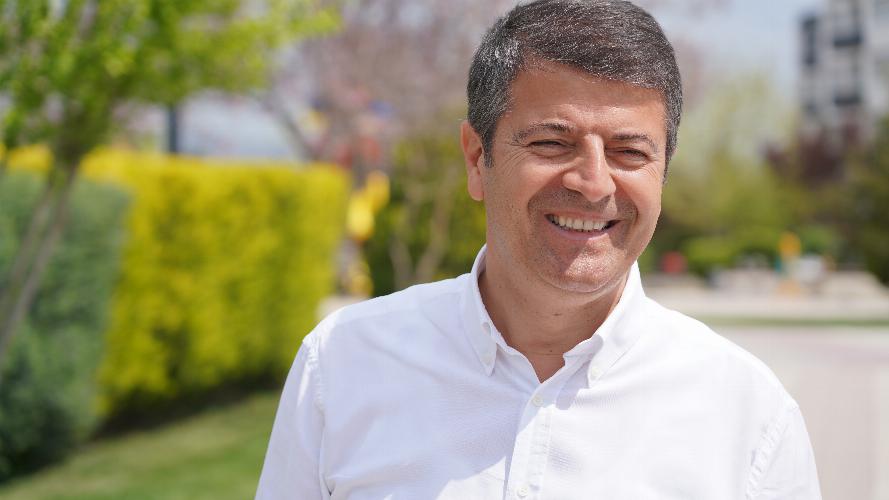
Mayor of Adıyaman Municipality Abdurrahman Tutdere
1. What are your top three strategies for making your city resilient to disaster, climate, and economic shocks? How do you measure their impact?
In order to make our city resilient against the earthquakes, we established additional rules for strong buildings besides requirements of the Earthquake Regulation, 2018. Our approach is grounded in comprehensive geotechnical survey reports, which form the basis of our planning and construction decisions. In addition, we introduce enhanced technical specifications throughout the construction process to ensure that buildings achieve higher structural integrity. As a result, buildings constructed under this framework become significantly safer and more resilient in terms of their ground conditions, load-bearing systems, and overall construction quality.
All these measures are implemented meticulously in the field; and the processes are regularly and strictly controlled by building inspection firms and our building licence units.
2. Which innovative approaches can the local administrations develop in order to build a caring, safe and inclusive urban life mitigating the inequalities?
The local administrations share important tasks in this field. It is of great importance to establish parks, streets and avenues where residents can feel comfortable, as well as living spaces where people can feel safe. With this perspective, we construct new parks that can serve both as recovery areas during potential disasters and as social spaces where our citizens can spend time and socialise. We will continue our services with determination to provide Adıyaman with the modern and safe living spaces environment sit deserves.
3. In order to make the cities truly resilient against polycrises (disasters, climate, conflicts, economic fluctuations), beyond the physical infrastructure, in which social, institutional and governance capacities should the investments be directed? Additionally, what concrete steps are you taking to advance this transformation?
First of all, the measures taken by the municipalities are insufficient to address disasters of this scale; all institutions must act in strong collaboration. Starting from the fact that Türkiye is a disaster-prone country, we believe that establishing a Ministry of Disasters, where all relevant budget and personnel would be gathered under a single roof, would be a more rational and efficient approach. As Adıyaman Municipality, we established our Disaster and Emergency Directorate within this framework, and we continue our personnel training. Our Public Bread Factory and Public Foodbank have reached the point of completion to prevent our citizens from being vulnerable during a potential disaster. Also, we implement our mukhtar h ouses ( mukhtar: the elected head of a neighbourhood) project in all neighbourhoods; and we place emergency containers next to these mukhtar houses containing materials that may be needed during the moments of disaster. Until now, we have completed our mukhtar houses in 11 neighbourhoods, and we will continue this project gradually in 22 neighbourhoods.
Yet, when the magnitude of the February 6 Earthquakes (2023 Türkiye-Syria earthquakes) is taken into account, it is crystal clear that no local administration can manage such an immense burden on its own, and the state must carry a coordinated effort with all its institutions. Minimizing the disaster risks and potential grievances is only possible with such integrated coordination. We must accept that our country is a disaster-prone country. For that reason, all municipalities and state institutions must be fully prepared for this reality, and the existing building stock must be overhauled urgently. It is obligatory that the government make disaster the first item on its agenda, and implement renovation, especially urban transformation, urgently. Otherwise, we will remain vulnerable to future disasters. As a mayor and a former member of parliament, I would like to state that the proposals put forward in the Earthquake Investigation Commission Report prepared after the February 6 disaster, particularly those that should be enacted by the Turkish Grand National Assembly. Also, all cities must prepare themselves accordingly. Otherwise, it is probable that we will once again face the devastating scene we witnessed on February 6 Earthquakes. Apart from the destroyed buildings or roads, it is so difficult for a country to compensate for the trained human resources. In order to prevent our country’s economic resources and accumulations from being wasted most definitely, and urgently we should become a country well-prepared and resilient against the disasters.
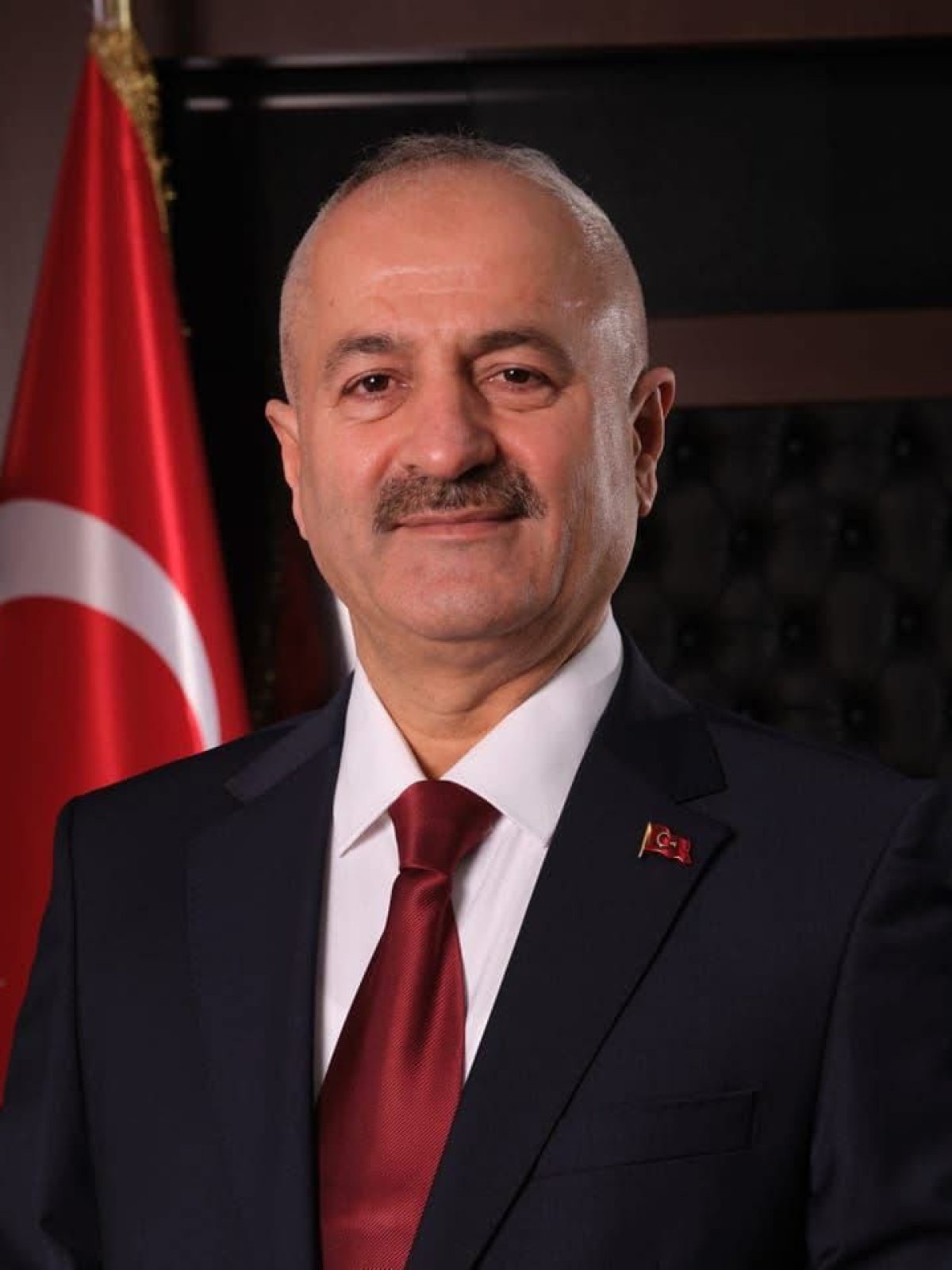
Mayor of Gebze Municipality Zinnur Büyükgöz
1. What are your top three strategies for making your city resilient to disaster, climate, and economic shocks? How do you measure their impact?
We can regard the issues underlined in the question as shocks that can occur independently or trigger a chain of problems. Alongside local public services, the local administrations like us have a separate agenda today, seeking answers to the question, ‘How can we make our cities resilient to potential shocks?’ and undertaking serious effort in this regard. I would also like to remind you that the global issues such as war, migration, the climate crisis and economic uncertainty represent a huge cost to the world. Looking at the issue specifically in Gebze, we are talking about a town with global influence due to its characteristics and potential. Of course, this naturally brings with it the risk of facing global shocks. As Gebze Municipality, we are working diligently to protect our city from possible crises and make it more resilient to potential shocks within this framework of awareness.
2. Which innovative approaches can the local administrations develop in order to build a caring, safe and inclusive urban life mitigating the inequalities?
There is an ancient bond between the city and its people. There is a shared destiny, a companionship. I am not referring solely to infrastructure or physical production here. I am also referring to a social, emotional and spiritual bond. Cities are not sustained only by buildings or roads; people, the social groups they form and the atmosphere they create also increase the city's resilience. Therefore, as local administrations, we see it as our primary task to ensure that every individual living in the city feels valued and safe. We are working resolutely to be a municipality that keeps the city alive and makes it a place worth living in. We attach great importance to strengthening social solidarity, raising safety and accessibility standards in public spaces, and spreading equal opportunities to all areas of life.
3. In order to make the cities truly resilient against polycrises (disasters, climate, conflicts, economic fluctuations), beyond the physical infrastructure, in which social, institutional and governance capacities should the investments be directed? Additionally, what concrete steps are you taking to advance this transformation?
Today, cities face not only physical risks but also multi-layered threats such as economic fluctuations, migration flows, climate- related crises and social change. Therefore, resilience now requires a holistic management approach that goes beyond merely strengthening infrastructure. Cities can only become truly resilient to such crises through strategies that encompass social, institutional and governance dimensions.
As Gebze Municipality, we are building this approach on three fundamental axes: social awareness, institutional capacity and collaboration with the stakeholders. When the society is prepared for the crises, this enables the city residents to act in a conscious and cooperative manner. Enhancing institutional capacity speeds up decision-making processes during crises and increases the effectiveness of interventions. Collaboration with stakeholders enriches decision- making processes by involving different actors in a framework of collective wisdom. This holistic approach provides us with the opportunity to make our city truly resilient to multiple crises.
The fifth edition of Urban, the compilation issue of the magazine Kent published by Marmara Municipalities Union with the motto “Cities Developing Solutions”, is now available.
You can download the entire magazine by clicking here.